Tankers Warned Against Paying Iran's Strait of Hormuz Fee
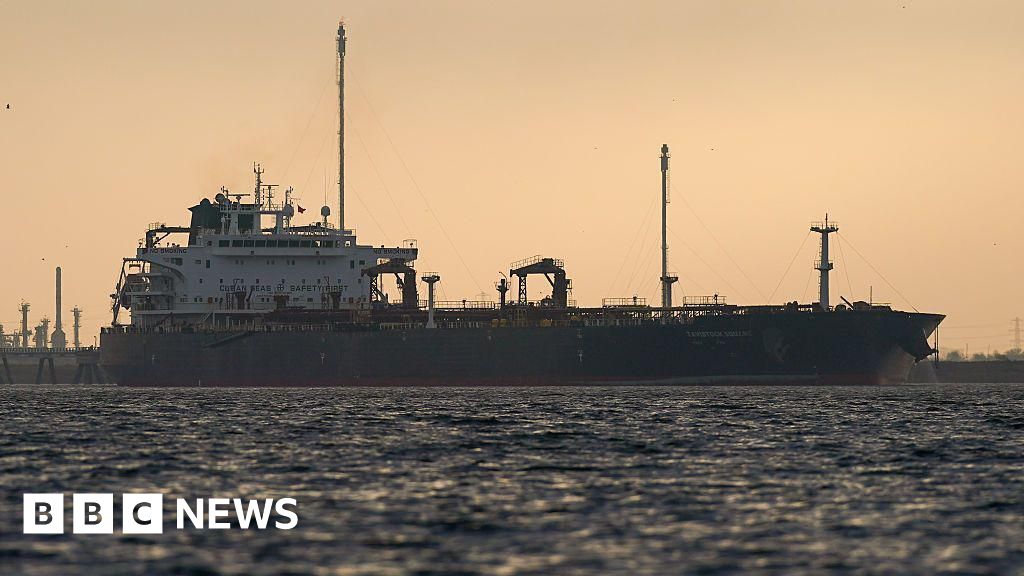
Tankers urged not to pay fee to Iran to use Strait of HormuzImage Credit: BBC Business (Finance)
Key Points
- •LONDON – International maritime authorities and Western governments are issuing stark warnings to tanker operators against paying a newly proposed "transit fee" by Iran for safe passage through the Strait of Hormuz. The demand comes as the vital waterway, a chokepoint for a fifth of the world's energy supply, has seen traffic plummet to a near standstill amid a burgeoning regional conflict.
- •Traffic Collapse: Passage through the strait has fallen by over 90%, from approximately 140 vessels per day to an average of just five since the escalation.
- •Stranded Assets: Nearly 800 commercial vessels are currently anchored in the Gulf, with an estimated cargo value running into the tens ofbillions of dollars. Most are fully loaded and unable to exit.
- •Global Energy Risk: The Strait of Hormuz is the transit route for approximately 20% of the world's total oil consumption and over 25% of its LNG, making any disruption a direct threat to global energy security.
- •Dangerous Precedent: Maritime groups, including the International Chamber of Shipping (ICS), argue that paying would incentivize further aggression and similar demands in other global choke points. It would undermine the principle of free navigation enshrined in international law.
Tankers urged not to pay fee to Iran to use Strait of Hormuz
LONDON – International maritime authorities and Western governments are issuing stark warnings to tanker operators against paying a newly proposed "transit fee" by Iran for safe passage through the Strait of Hormuz. The demand comes as the vital waterway, a chokepoint for a fifth of the world's energy supply, has seen traffic plummet to a near standstill amid a burgeoning regional conflict.
The standoff presents a grave dilemma for the global shipping industry, pitting the immediate financial imperative of moving hundreds of stranded, cargo-laden vessels against the long-term strategic and legal risks of capitulating to Iranian demands.
This move by Tehran is seen by analysts as a high-stakes gambit to leverage its geographic position for economic and political gain, threatening to pour fuel on the fire of an already volatile global energy market.
A Waterway Paralyzed
The impact of the ongoing conflict on maritime traffic in the Strait of Hormuz has been swift and severe. Data from maritime intelligence firms reveals a catastrophic drop in vessel transits, effectively creating a maritime traffic jam on a global scale.
Since Tuesday, only 15 vessels have navigated the strait. This is a dramatic collapse from the pre-conflict daily average of nearly 140 tankers and container ships. The result is a fleet of almost 800 ships now stranded in the Persian Gulf, unable to deliver their valuable cargo to international markets. The majority of these are oil and liquefied natural gas (LNG) tankers.
The Standoff by the Numbers
- Traffic Collapse: Passage through the strait has fallen by over 90%, from approximately 140 vessels per day to an average of just five since the escalation.
- Stranded Assets: Nearly 800 commercial vessels are currently anchored in the Gulf, with an estimated cargo value running into the tens ofbillions of dollars. Most are fully loaded and unable to exit.
- Global Energy Risk: The Strait of Hormuz is the transit route for approximately 20% of the world's total oil consumption and over 25% of its LNG, making any disruption a direct threat to global energy security.
The Iranian "Safe Passage" Proposal
In response to the de facto blockade, sources within the shipping industry confirm that Iranian authorities have communicated a proposal through intermediaries. They are offering to "guarantee security" for vessels transiting the strait in exchange for a substantial fee, which sources describe as a "special transit levy."
While the exact figures remain confidential, the fee is understood to be calculated on a per-vessel basis, potentially varying by tonnage and cargo type. Tehran is framing the move not as extortion, but as a charge for security services in a hostile environment—a justification that has been flatly rejected by Western powers.
A Unified Front Against Payment
A coalition of governments and powerful industry bodies has moved quickly to counter Iran's proposal, urging tanker owners and operators to hold a firm line and refuse to pay.
The primary argument is that any payment would set a disastrous precedent, effectively legitimizing ransom-like demands on international shipping lanes. It would also risk violating a swath of international sanctions currently imposed on Tehran.
The Case Against Paying the Fee
- Dangerous Precedent: Maritime groups, including the International Chamber of Shipping (ICS), argue that paying would incentivize further aggression and similar demands in other global choke points. It would undermine the principle of free navigation enshrined in international law.
- Sanctions Violations: Legal experts warn that paying a fee to an entity linked to Iran's Islamic Revolutionary Guard Corps (IRGC), which controls naval activity in the strait, could expose companies to severe financial penalties and legal action from the U.S. Treasury and its allies.
- Insurance Complications: The Joint War Committee (JWC) at Lloyd’s of London, which classifies the world's riskiest waters, has signaled that insurance policies could be voided for vessels that comply with the Iranian demand. Insurers may classify such payments as collusion with an aggressor, leaving a multi-million-dollar vessel and its cargo completely uninsured.
- Funding Aggression: Western officials argue that any funds transferred to Iran would directly finance the very military apparatus responsible for the regional instability, effectively forcing the shipping industry to fund its own tormentor.
Market Tremors and Economic Fallout
The crisis is already sending shockwaves through financial and commodity markets. The mere prospect of a prolonged closure of the strait has pushed energy prices skyward.
Brent crude futures, the international benchmark, have surged on the news, as traders price in the risk of a significant and sustained supply disruption. Shipping stocks with exposure to the region have tumbled, while war risk insurance premiums for any potential voyages in the Gulf have skyrocketed, making transit prohibitively expensive even before considering Iran's proposed fee.
For tanker operators, the situation is a financial vise. Each day a Very Large Crude Carrier (VLCC) sits idle costs its operator tens of thousands of dollars in operational expenses, while the value of its undelivered cargo remains locked at sea. This immense financial pressure creates a powerful incentive for some to break ranks and pay the fee, a scenario that maritime authorities are desperate to avoid.
Outlook: A Test of Resolve
The international community now faces a series of difficult and unpalatable choices.
Diplomatic channels remain the preferred solution, but their effectiveness is severely limited by the active conflict. The alternative involves a potential military response, such as forming international naval convoys to escort commercial vessels through the strait—a high-risk option that could lead to direct confrontation.
The most immediate test, however, is one of commercial and political will. The coming days will reveal whether the unified front of shipowners, insurers, and governments can hold firm against Iran's demands. A failure to do so could permanently alter the balance of power in the world's most important energy corridor, with lasting consequences for the global economy.
Source: BBC Business (Finance)
Related Articles
Nationwide Protests Against ICE Enforcement Erupt in U.S.
Thousands are protesting ICE after the DOJ declined to investigate a fatal agent-involved shooting in Minneapolis, fueling a national movement and public anger.
Venezuela Amnesty Bill Could Free Political Prisoners
Learn about Venezuela's proposed amnesty bill to release political prisoners. The move could signal a major political shift and affect future economic sanctions
Pokémon Cancels Yasukuni Shrine Event After Backlash
The Pokémon Company has canceled an event at Tokyo's controversial Yasukuni Shrine after facing international backlash from China and South Korea.
US to Lose Measles Elimination Status: What It Means
The U.S. is poised to lose its measles elimination status due to escalating outbreaks. Learn what this downgrade means for public health and the economy.