Thai PM Vows Stricter Gun Laws After 8 Killed in Shooting
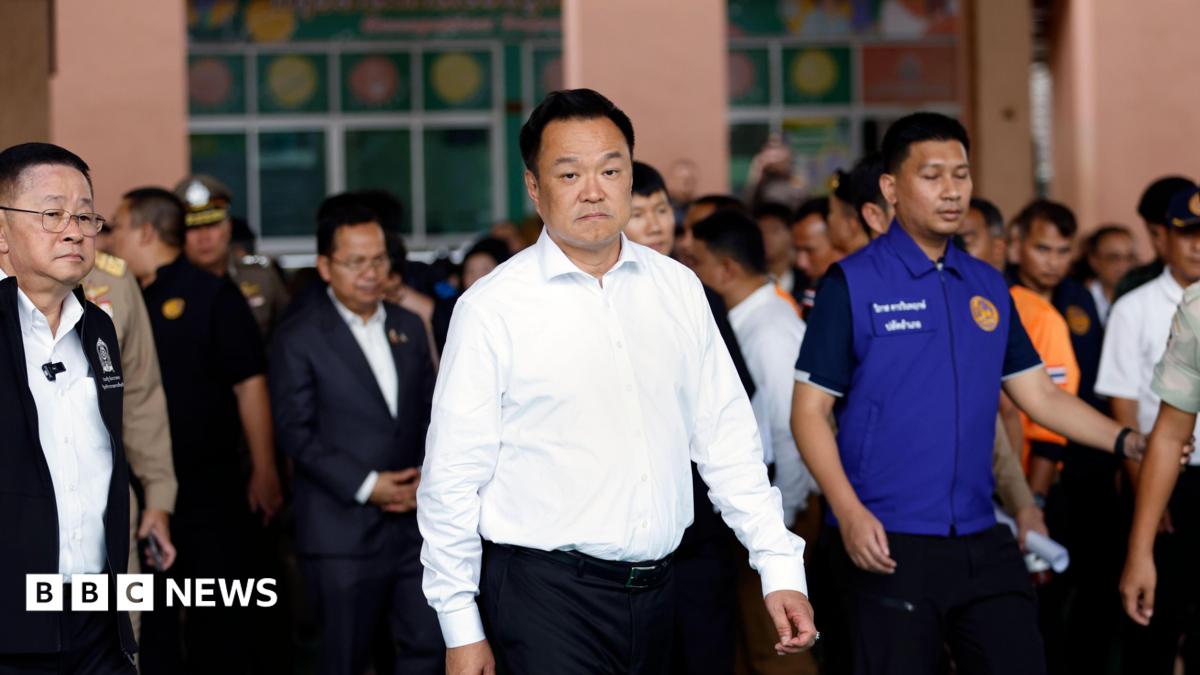
Thai PM vows to introduce stricter gun laws after eight killed in shootingImage Credit: BBC News
Key Points
- •BANGKOK – In the aftermath of a devastating shooting that claimed the lives of eight people, Thai Prime Minister Anutin Charnvirakul has pledged to enact stricter gun control legislation, confronting a recurring national tragedy and the deep-seated issue of firearm proliferation in the country. The incident has once again cast a harsh spotlight on the gap between Thailand's stringent gun laws on paper and the stark reality of their enforcement on the ground.
- •High Civilian Ownership: Thailand is home to an estimated 10.3 million firearms in civilian possession. This figure places it among the highest in South East Asia and equates to roughly one gun for every seven people.
- •The Illegal Market: Of the more than 10 million guns, it is believed that around four million—nearly 40%—are owned illegally. This thriving black market for unregistered firearms poses a massive and persistent threat to public safety.
- •The Enforcement Gap: The country's laws are severe in principle. The illegal possession of an unregistered firearm is punishable by a prison sentence of up to 10 years and a significant fine. However, experts and officials have long acknowledged that the consistent and effective enforcement of these laws remains a critical weakness.
Thai PM vows to introduce stricter gun laws after eight killed in shooting
BANGKOK – In the aftermath of a devastating shooting that claimed the lives of eight people, Thai Prime Minister Anutin Charnvirakul has pledged to enact stricter gun control legislation, confronting a recurring national tragedy and the deep-seated issue of firearm proliferation in the country. The incident has once again cast a harsh spotlight on the gap between Thailand's stringent gun laws on paper and the stark reality of their enforcement on the ground.
The prime minister's emotional response underscored the gravity of the situation. "This shouldn't have happened," Mr. Anutin stated on Friday. "I don't just feel sorry for the victims but I feel sorry that this happened. How can this happen in our country?"
His vow for reform signals a potential turning point, but it comes as the nation grapples with a grim pattern of mass violence that previous government efforts have failed to curb.
The Catalyst for Action
The immediate trigger for the government's renewed focus was a violent attack perpetrated by a teenage suspect. The incident has raised urgent questions about access to firearms, particularly within the home.
According to Police Colonel Thadsakorn Konthong, the weapon used in the rampage—both the gun and the ammunition—belonged to the suspect's grandfather. An initial investigation of the grandfather's bedroom revealed signs that the firearm had been searched for and removed from its storage place.
Crucially, both international and local media have confirmed that the gun was legally registered and held with a valid permit. This fact complicates the narrative, shifting the focus from simply illegal weapons to the security and control of legally owned ones.
A Troubling Pattern of Violence
This latest tragedy is not an isolated event but the continuation of a deeply concerning trend in Thailand. The nation has been shaken by several high-profile mass shootings in recent years, each prompting calls for reform that have yet to translate into lasting change.
In October 2022, the country was horrified by an attack on a childcare center in Nong Bua Lamphu province, where a former police officer killed 37 people, mostly children, using a gun and a knife.
In 2020, a soldier killed 29 people in a rampage in the city of Nakhon Ratchasima, live-streaming parts of his attack on social media. Both incidents exposed vulnerabilities in the system and led to promises of a comprehensive overhaul of gun laws.
Thailand's Gun Control Paradox
The core of the issue lies in a complex paradox: while Thailand has some of the strictest gun laws in the region, it also has one of the highest rates of civilian gun ownership. This disconnect highlights a significant challenge for policymakers.
-
High Civilian Ownership: Thailand is home to an estimated 10.3 million firearms in civilian possession. This figure places it among the highest in South East Asia and equates to roughly one gun for every seven people.
-
The Illegal Market: Of the more than 10 million guns, it is believed that around four million—nearly 40%—are owned illegally. This thriving black market for unregistered firearms poses a massive and persistent threat to public safety.
-
The Enforcement Gap: The country's laws are severe in principle. The illegal possession of an unregistered firearm is punishable by a prison sentence of up to 10 years and a significant fine. However, experts and officials have long acknowledged that the consistent and effective enforcement of these laws remains a critical weakness.
Anutin's Prior Efforts and Future Pledges
Prime Minister Anutin is no stranger to the issue of gun control. During his previous tenure as Interior Minister, he was directly responsible for overseeing firearm regulations and introduced several measures aimed at tightening control.
These past initiatives included a temporary halt on the issuance of new gun licenses and restrictions on the import of certain types of firearms. His supporters point to this record as evidence of his commitment, while critics argue the measures were insufficient to address the scale of the problem.
Now, as the head of government, the pressure on Mr. Anutin to deliver a more robust and permanent solution is immense. His administration is expected to re-evaluate every aspect of firearm regulation, from licensing and background checks to, crucially, safe storage requirements for legal gun owners.
Implications and the Path Forward
The prime minister's promise of "stricter laws" sets the stage for a significant policy debate. The fact that a legally owned gun was used in this latest tragedy will likely steer the conversation toward new regulations mandating secure storage, such as gun safes or trigger locks, to prevent unauthorized access by family members or thieves.
The key challenges for the government will be twofold:
-
Legislative Reform: Crafting new laws that close existing loopholes without alienating the large population of legal gun owners. This could include enhanced background checks, psychological evaluations, and a national registry for all firearms.
-
Enforcement Overhaul: The more difficult task will be building the capacity and political will to enforce these laws. This means cracking down on the vast illegal arms market, tackling corruption that facilitates illicit trade, and ensuring that provincial authorities apply the rules consistently.
For Thailand, the stakes are incredibly high. Beyond the immeasurable human cost, repeated incidents of mass violence threaten the nation's reputation as a safe and stable destination for tourism and investment—pillars of its economy. The government's next steps will be watched closely, as a grieving nation waits to see if this tragedy will finally be the catalyst for meaningful and lasting change.
Source: BBC News
Related Articles
Nationwide Protests Against ICE Enforcement Erupt in U.S.
Thousands are protesting ICE after the DOJ declined to investigate a fatal agent-involved shooting in Minneapolis, fueling a national movement and public anger.
Venezuela Amnesty Bill Could Free Political Prisoners
Learn about Venezuela's proposed amnesty bill to release political prisoners. The move could signal a major political shift and affect future economic sanctions
Pokémon Cancels Yasukuni Shrine Event After Backlash
The Pokémon Company has canceled an event at Tokyo's controversial Yasukuni Shrine after facing international backlash from China and South Korea.
US to Lose Measles Elimination Status: What It Means
The U.S. is poised to lose its measles elimination status due to escalating outbreaks. Learn what this downgrade means for public health and the economy.