Thames Water CEO: Leakage & Pollution Targets 'Unrealistic'
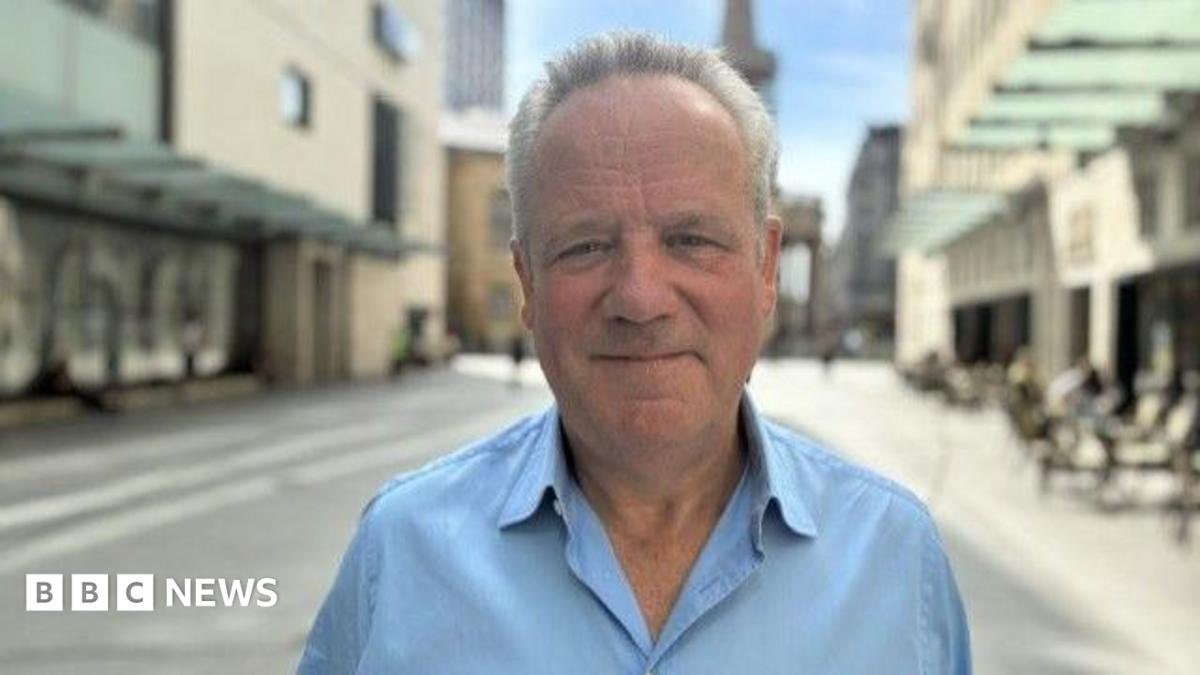
Thames Water boss says leakage targets 'not realistic'Image Credit: BBC Business (Finance)
Key Points
- •LONDON – The chief executive of Thames Water has publicly challenged the feasibility of regulatory targets on leakage and pollution, describing them as "not realistic" and "in excess of what we are capable of doing." The comments from Alastair Weston, head of the UK's largest water and wastewater company, have ignited a sharp response from regulators and environmental campaigners, escalating the intense debate over the performance and future of Britain's privatised water industry.
- •On Leakage Targets: "[For example], we have to hit a certain level of leakage, but it is so far in excess of what we are capable of doing, I think anyone would be capable of doing, however much money you invested, that it is not going to be achievable."
- •On Pollution Goals: Weston noted the chance of achieving zero pollution was "very, very slim." He contextualised the company's performance by stating Thames Water treats 4.3 billion litres of waste daily and that "99.5% of the time" it is treated successfully, while admitting that "sometimes something goes wrong."
- •Performance Commitments: Companies like Thames Water have legally binding performance commitments on critical issues, including the volume of water lost through leaks in their vast pipe networks.
- •Sewage Discharges: It is illegal to release untreated sewage into rivers and seas during normal weather. However, a controversial exception allows for "storm overflow" discharges during heavy rainfall to prevent the sewage system from backing up and flooding homes. The frequency and volume of these discharges are a major point of public and political contention.
Thames Water boss says leakage targets 'not realistic'
LONDON – The chief executive of Thames Water has publicly challenged the feasibility of regulatory targets on leakage and pollution, describing them as "not realistic" and "in excess of what we are capable of doing." The comments from Alastair Weston, head of the UK's largest water and wastewater company, have ignited a sharp response from regulators and environmental campaigners, escalating the intense debate over the performance and future of Britain's privatised water industry.
The statements place Thames Water in direct conflict with its regulators, Ofwat and the Environment Agency, who maintain that their targets are designed to be ambitious but achievable, and are essential for protecting customers and the environment.
The CEO's Challenge
Speaking on the BBC's Big Boss Interview podcast, Alastair Weston painted a picture of a company grappling with immense operational scale while facing what he views as unattainable performance mandates.
Weston acknowledged the company's responsibility, stating, "We want to do better when it comes to pollutions." However, he argued that the goalposts set by regulators are simply too far.
-
On Leakage Targets: "[For example], we have to hit a certain level of leakage, but it is so far in excess of what we are capable of doing, I think anyone would be capable of doing, however much money you invested, that it is not going to be achievable."
-
On Pollution Goals: Weston noted the chance of achieving zero pollution was "very, very slim." He contextualised the company's performance by stating Thames Water treats 4.3 billion litres of waste daily and that "99.5% of the time" it is treated successfully, while admitting that "sometimes something goes wrong."
The Regulatory Framework
The backdrop to this conflict is the UK's stringent regulatory system for water utilities.
-
Performance Commitments: Companies like Thames Water have legally binding performance commitments on critical issues, including the volume of water lost through leaks in their vast pipe networks.
-
Sewage Discharges: It is illegal to release untreated sewage into rivers and seas during normal weather. However, a controversial exception allows for "storm overflow" discharges during heavy rainfall to prevent the sewage system from backing up and flooding homes. The frequency and volume of these discharges are a major point of public and political contention.
Regulators and Campaigners Fire Back
The response to Weston's comments was swift and uncompromising, with both official bodies and activist groups reaffirming their expectations for the water giant.
The Official Stance
Regulators made it clear that they do not accept the premise that their targets are unrealistic. They reiterated that these goals are funded and legally mandated.
-
Ofwat's Position: The economic regulator told the BBC, "With around a fifth of water put into supply still lost through leakage, companies must deliver on the commitments they have been funded to achieve. Water company targets are intended to be ambitious and drive better outcomes for customers and the environment."
-
Environment Agency's Mandate: A spokesperson for the environmental regulator reinforced the legal obligations, stating, "[We] and the public expect Thames Water to comply with the law." They added that the agency would "continue to hold companies to account where performance falls short."
The Campaigner's Outcry
Environmental groups were scathing in their criticism, framing the CEO's comments as an attempt to deflect responsibility.
James Wallace, chief executive of the campaign group River Action, accused the company of hypocrisy.
-
Activist Condemnation: "Thames Water's tactics of opacity and deflection fool no-one. Telling the public to save water while this wasteful profit-obsessed corporation leaks 570 million litres of treated drinking water every day is offensive."
-
A Call for Drastic Action: Wallace argued the problem is systemic, stating, "There is nothing 'realistic' about accepting sewage pollution as inevitable. The choice is simple: keep propping up a failed privatised financial model, or put Thames Water into special administration and rebuild it as a public utility serving customers, rivers and the public."
The Broader Implications
Weston's public declaration of impossibility signals a deepening crisis for Thames Water and the wider industry. It raises fundamental questions about the financial and operational model of privatised water utilities.
By the Numbers: The Scale of the Challenge
- Customers Served: Thames Water supplies water and wastewater services to 16 million people across London and southern England.
- Daily Leakage: Campaigners state the company leaks approximately 570 million litres of treated drinking water every day.
- Regulatory View: Ofwat estimates that, across the industry, about one-fifth of all water put into the supply system is lost to leakage.
This public standoff between a major utility and its regulators could have significant consequences. By claiming targets are unachievable regardless of investment, the company is setting the stage for a contentious negotiation over its next five-year business plan and the associated funding from customer bills.
The call for "special administration"—a process where the government effectively takes control of a failing essential service provider—highlights the growing pressure for a fundamental overhaul. For now, Thames Water finds itself caught between the "unrealistic" demands of its regulators and the "offensive" reality of its performance, with millions of customers and the health of the nation's rivers hanging in the balance. The path forward remains unclear, but the battle lines have been drawn more starkly than ever.
Source: BBC Business (Finance)
Related Articles
Nationwide Protests Against ICE Enforcement Erupt in U.S.
Thousands are protesting ICE after the DOJ declined to investigate a fatal agent-involved shooting in Minneapolis, fueling a national movement and public anger.
Venezuela Amnesty Bill Could Free Political Prisoners
Learn about Venezuela's proposed amnesty bill to release political prisoners. The move could signal a major political shift and affect future economic sanctions
Pokémon Cancels Yasukuni Shrine Event After Backlash
The Pokémon Company has canceled an event at Tokyo's controversial Yasukuni Shrine after facing international backlash from China and South Korea.
US to Lose Measles Elimination Status: What It Means
The U.S. is poised to lose its measles elimination status due to escalating outbreaks. Learn what this downgrade means for public health and the economy.