Tinder & Zoom Use Eye-Scans to Combat AI & Prove Humanity
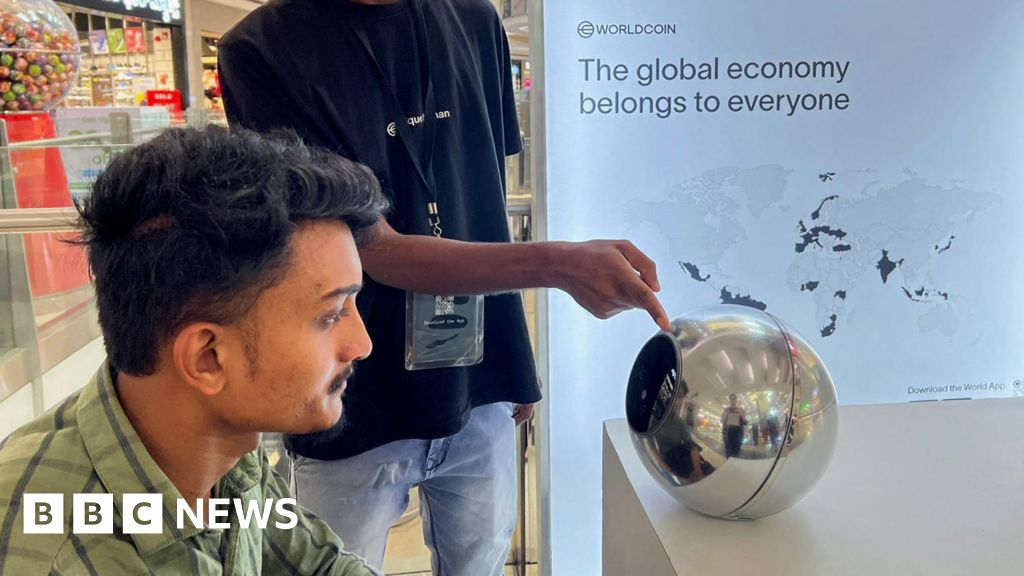
Tinder and Zoom offer 'proof of humanity' eye-scans to combat AIImage Credit: BBC Business (Finance)
Key Points
- •LONDON – In a landmark move to restore trust in digital interactions, dating giant Tinder and video conferencing leader Zoom have announced a joint initiative to offer users a "proof of humanity" verification system based on biometric eye-scans. The technology aims to create a clear distinction between authentic human users and the increasingly sophisticated AI bots, deepfakes, and fraudulent accounts plaguing online platforms.
- •The Scan: Users will be prompted to perform a quick, two-second eye scan using their smartphone or computer camera. The software captures a high-resolution image of the user's iris.
- •The Cryptographic Hash: The system does not store the iris image. Instead, it instantly converts the unique patterns of the iris into a secure, anonymised alphanumeric code known as a cryptographic hash. This hash is the user's digital proof of humanity.
- •Verification: When the user logs into a participating service, the platform can check for the presence of this valid hash, confirming the user is a real, verified human without accessing any sensitive biometric data. The hash is useless on its own and cannot be reverse-engineered to recreate the iris image.
- •Tinder's Trust Deficit: Match Group (NASDAQ: MTCH) has faced investor scrutiny over user growth and engagement metrics. A platform perceived as unsafe or overrun with bots discourages new sign-ups and drives away paying subscribers. By offering a "human-only" environment, Tinder can market itself as a premium, secure platform, potentially justifying higher subscription tiers and rebuilding consumer confidence.
Tinder and Zoom offer 'proof of humanity' eye-scans to combat AI
LONDON – In a landmark move to restore trust in digital interactions, dating giant Tinder and video conferencing leader Zoom have announced a joint initiative to offer users a "proof of humanity" verification system based on biometric eye-scans. The technology aims to create a clear distinction between authentic human users and the increasingly sophisticated AI bots, deepfakes, and fraudulent accounts plaguing online platforms.
The announcement signals a new front in the war against digital deception, a problem that has rapidly escalated with the public availability of powerful generative AI tools. For both companies, the stakes are immense, with user safety and platform integrity directly tied to their financial performance and long-term viability.
In a striking and meta-theatrical press launch, the companies demonstrated the very problem they aim to solve. Journalists were shown historic video footage of deceased tech luminaries, including Apple co-founder Steve Jobs and computing pioneer Alan Turing. The footage had been digitally altered using AI, showing them appearing to realistically discuss the urgent need for a reliable method to identify humans on the internet, a chilling showcase of the technology's deceptive power.
The Erosion of Digital Trust
The proliferation of AI has created significant headwinds for platforms built on human connection. User trust, the foundational currency of these services, is eroding.
For Match Group's Tinder, the primary threat comes from romance scams and bot accounts that degrade the user experience and can lead to significant financial and emotional harm. For Zoom, the risk lies in corporate espionage, social engineering, and the potential for deepfake impersonations of executives in high-stakes virtual meetings.
This initiative represents a direct, technology-driven response to these existential threats, moving beyond simple photo verification or two-factor authentication, which AI can increasingly circumvent.
How the "Humanity Protocol" Works
The system, developed in partnership with a leading biometrics security firm, is designed to be both secure and privacy-centric. While participation will be optional at launch, profiles and accounts that complete the process will be given a distinct "Verified Human" badge.
The verification process is straightforward:
-
The Scan: Users will be prompted to perform a quick, two-second eye scan using their smartphone or computer camera. The software captures a high-resolution image of the user's iris.
-
The Cryptographic Hash: The system does not store the iris image. Instead, it instantly converts the unique patterns of the iris into a secure, anonymised alphanumeric code known as a cryptographic hash. This hash is the user's digital proof of humanity.
-
Verification: When the user logs into a participating service, the platform can check for the presence of this valid hash, confirming the user is a real, verified human without accessing any sensitive biometric data. The hash is useless on its own and cannot be reverse-engineered to recreate the iris image.
The Business Rationale: A Multi-Billion Dollar Problem
The strategic alliance between a social platform and a corporate communications tool highlights the universal nature of the AI identity crisis. The financial implications for both companies are the primary driver of this high-tech collaboration.
-
Tinder's Trust Deficit: Match Group (NASDAQ: MTCH) has faced investor scrutiny over user growth and engagement metrics. A platform perceived as unsafe or overrun with bots discourages new sign-ups and drives away paying subscribers. By offering a "human-only" environment, Tinder can market itself as a premium, secure platform, potentially justifying higher subscription tiers and rebuilding consumer confidence.
-
Zoom's Enterprise Security: For Zoom (NASDAQ: ZM), which serves a massive enterprise client base, security is non-negotiable. A single incident of a deepfake executive authorising a fraudulent wire transfer could result in catastrophic financial and reputational damage for a client. "Verified Human" status in a Zoom meeting provides a new layer of security for sensitive discussions, board meetings, and financial transactions, reinforcing Zoom's value proposition to its most lucrative customers.
-
A New Industry Standard?: This partnership could set a precedent, creating pressure on other major platforms like Meta, X (formerly Twitter), and LinkedIn to adopt similar standards. The "Humanity Protocol" could evolve into a universal digital passport, a foundational layer of trust for the entire internet.
Challenges and The Unavoidable Arms Race
While groundbreaking, the initiative is not without significant hurdles and concerns that will be closely watched by regulators, privacy advocates, and the market.
-
Data Security: The central database of cryptographic hashes, while anonymised, represents an incredibly high-value target for hackers. A breach could undermine the entire system, and the companies will need to demonstrate military-grade security protocols.
-
User Adoption and Privacy: Convincing millions of users to scan their eyeballs is a major marketing and public relations challenge. Despite assurances, many will remain sceptical about how their biometric data is handled. Low adoption would render the feature ineffective.
-
Accessibility and Bias: The system must be equitable. Concerns exist about its effectiveness for individuals with certain eye conditions, disabilities, or those who lack access to modern smartphones with high-quality cameras. Any inherent bias in the scanning technology could lock out legitimate users.
-
The AI Countermove: The launch of this system will inevitably trigger a response from those creating bots and deepfakes. The long-term challenge will be an ongoing technological arms race, with AI developers attempting to find ways to fool or bypass biometric scanners.
What's Next
The "Verified Human" feature is expected to roll out in a beta phase to select markets in the first quarter of next year, with a broader global launch planned for the second half of 2025.
The initial market reaction will be critical. Analysts will be watching user adoption rates, any reported security vulnerabilities, and the stock performance of both Match Group and Zoom.
Ultimately, this initiative is more than a new feature; it's a profound statement about the future of the internet. It posits a future where digital identity is not assumed but proven, potentially cleaving the web into two distinct zones: a verified space for high-trust interactions and a wild, anonymous frontier. For businesses and users alike, the question will be which version of the internet they choose to inhabit.
Source: BBC Business (Finance)
Related Articles
Nationwide Protests Against ICE Enforcement Erupt in U.S.
Thousands are protesting ICE after the DOJ declined to investigate a fatal agent-involved shooting in Minneapolis, fueling a national movement and public anger.
Venezuela Amnesty Bill Could Free Political Prisoners
Learn about Venezuela's proposed amnesty bill to release political prisoners. The move could signal a major political shift and affect future economic sanctions
Pokémon Cancels Yasukuni Shrine Event After Backlash
The Pokémon Company has canceled an event at Tokyo's controversial Yasukuni Shrine after facing international backlash from China and South Korea.
US to Lose Measles Elimination Status: What It Means
The U.S. is poised to lose its measles elimination status due to escalating outbreaks. Learn what this downgrade means for public health and the economy.