Trump's Epstein Past: A Challenge for His 2024 Campaign
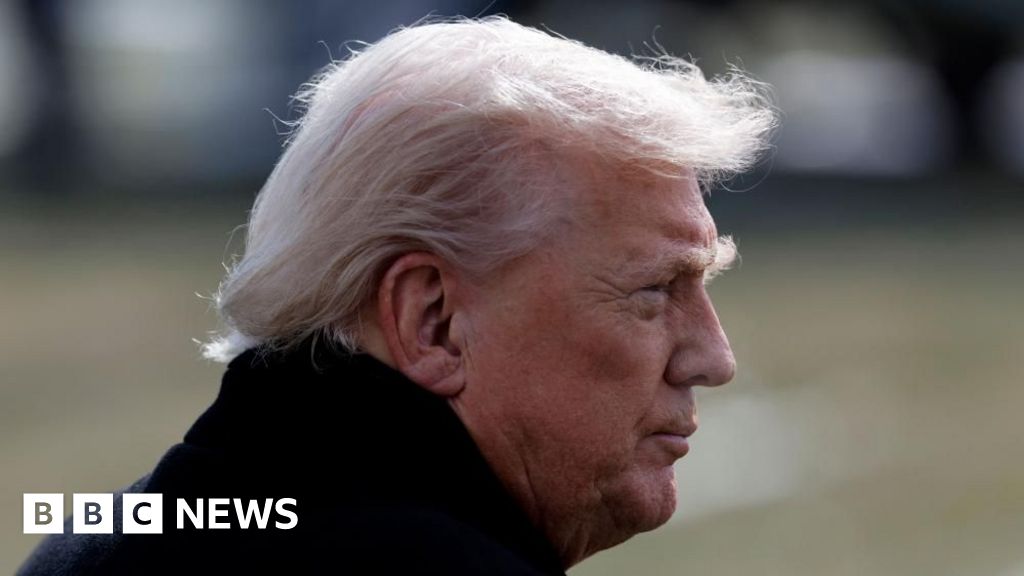
Trump says America should move on from Epstein - it may not be that easyImage Credit: BBC News
Key Points
- •The Scope of Association: The frequent appearance of Trump's name across various documents, including Epstein's internal contact directories and call logs, underscores a level of access and familiarity. The mentions are often logistical, noting travel or contact information, but their frequency suggests more than a passing acquaintance.
- •A Shared Social Orbit: Both men were prominent, wealthy figures who split their time between New York City and West Palm Beach, Florida. Their social circles overlapped significantly. Reports and depositions describe them interacting at parties, at Trump's Mar-a-Lago club, and in New York. This proximity is the bedrock of the public's continued interest and the media's renewed scrutiny.
- •The Official Narrative: The Trump campaign's consistent position is that the relationship was superficial and ended decisively. According to Trump, he had a "falling out" with Epstein in the early 2000s and subsequently banned him from Mar-a-Lago. He has stated the disagreement was over a real estate deal, while other reports suggest it was related to Epstein's conduct with a club member's daughter.
- •Campaign Strategy: The Trump campaign's response has been threefold: downplay the significance of the relationship, highlight the "falling out" as proof of Trump's good judgment, and pivot to attack others named in the documents, most notably former President Bill Clinton. This strategy aims to muddy the waters and frame the issue as a bipartisan problem rather than a uniquely Trump-centric one.
- •Voter Perception: While core supporters may dismiss the story, the renewed focus on the Epstein association could prove damaging with key swing demographics, particularly suburban women. The details, even without direct allegations of wrongdoing, contribute to a narrative of questionable judgment and a lifestyle at odds with the values many voters seek in a leader.
Trump says America should move on from Epstein - it may not be that easy
As the 2024 presidential race intensifies, former President Donald Trump is confronting a persistent ghost from his past: his association with the late disgraced financier and convicted sex offender, Jeffrey Epstein. Following the court-ordered release of thousands of pages of documents related to Epstein and his associates, Trump has urged the nation to "move on." However, with his name appearing over 6,000 times in the newly public records, the issue threatens to become a significant and unwelcome fixture of his campaign, presenting a complex challenge for a candidate reliant on projecting an image of unassailable strength.
The documents, stemming from a 2015 lawsuit filed by victim Virginia Giuffre against Epstein's accomplice Ghislaine Maxwell, are not a criminal indictment. But they are a trove of raw data—flight logs, schedules, contact lists, and depositions—that paints a detailed picture of the orbit around Epstein. For the Trump campaign, the sheer volume of mentions creates a daunting reputational and political hazard.
The Core of the Connection
The released files corroborate and expand upon what was previously known about the relationship between the two powerful figures during the 1990s and early 2000s. While the documents contain no allegations of illegal activity by Trump, they firmly place him within Epstein's social and logistical sphere.
-
The Scope of Association: The frequent appearance of Trump's name across various documents, including Epstein's internal contact directories and call logs, underscores a level of access and familiarity. The mentions are often logistical, noting travel or contact information, but their frequency suggests more than a passing acquaintance.
-
A Shared Social Orbit: Both men were prominent, wealthy figures who split their time between New York City and West Palm Beach, Florida. Their social circles overlapped significantly. Reports and depositions describe them interacting at parties, at Trump's Mar-a-Lago club, and in New York. This proximity is the bedrock of the public's continued interest and the media's renewed scrutiny.
-
The Official Narrative: The Trump campaign's consistent position is that the relationship was superficial and ended decisively. According to Trump, he had a "falling out" with Epstein in the early 2000s and subsequently banned him from Mar-a-Lago. He has stated the disagreement was over a real estate deal, while other reports suggest it was related to Epstein's conduct with a club member's daughter.
Context is Crucial
Understanding the current situation requires looking back at the history of both Epstein's crimes and Trump's public statements. This is not a new story, but the newly released evidence provides a far more granular and unavoidable context.
Jeffrey Epstein cultivated a network of powerful and famous individuals from the worlds of finance, politics, academia, and entertainment. He used this network to lend himself an air of legitimacy while simultaneously running a sophisticated sex trafficking operation involving underage girls. He was convicted of soliciting a minor for prostitution in Florida in 2008 and died by suicide in a Manhattan jail cell in 2019 while awaiting trial on federal sex trafficking charges.
Trump's own words have complicated his attempts to distance himself. In a 2002 New York Magazine profile, he was quoted as saying of Epstein: "I've known Jeff for fifteen years. Terrific guy. He's a lot of fun to be with. It is even said that he likes beautiful women as much as I do, and many of them are on the younger side."
This quote, delivered years before Epstein's first conviction, stands in stark contrast to his more recent statements and forms a key point of attack for political opponents.
The Political and Reputational Fallout
For any political candidate, an association with a figure as toxic as Epstein is a liability. For a presidential frontrunner, it becomes a national security and character question that will be litigated in the court of public opinion.
A Test of the "Teflon" Presidency
Trump has historically shown a remarkable ability to weather scandals that would have ended the careers of other politicians. His base has remained fiercely loyal, often viewing attacks on his character as politically motivated "witch hunts." The Epstein connection is a significant test of this phenomenon.
-
Campaign Strategy: The Trump campaign's response has been threefold: downplay the significance of the relationship, highlight the "falling out" as proof of Trump's good judgment, and pivot to attack others named in the documents, most notably former President Bill Clinton. This strategy aims to muddy the waters and frame the issue as a bipartisan problem rather than a uniquely Trump-centric one.
-
Voter Perception: While core supporters may dismiss the story, the renewed focus on the Epstein association could prove damaging with key swing demographics, particularly suburban women. The details, even without direct allegations of wrongdoing, contribute to a narrative of questionable judgment and a lifestyle at odds with the values many voters seek in a leader.
-
Financial and Brand Impact: Trump's brand is inextricably linked to his personal image. As a financial correspondent might note, reputational risk is a tangible liability. The constant linking of the Trump name to the Epstein scandal could, over time, tarnish the aspirational luxury image of his real estate and hospitality businesses, which form the core of his financial empire.
What Comes Next
The immediate legal risk to Donald Trump from these specific documents appears minimal. He is not a defendant in the case, and the files do not accuse him of participating in Epstein's crimes. The battle, therefore, is not legal but political and perceptual.
-
The Court of Public Opinion: The 2024 election will serve as the ultimate jury. Opponents will use the thousands of document mentions to craft attack ads and talking points designed to raise doubts about his character and fitness for office. The effectiveness of this strategy will depend on how well the Trump campaign can execute its counter-messaging.
-
Ongoing Document Releases: Not all documents from the lawsuit have been unsealed. The potential for future releases means this story will likely have a long tail, providing fresh waves of headlines and forcing the Trump campaign to remain on the defensive. Journalists and opposition researchers will continue to mine the existing data for new connections and patterns.
The Bottom Line: Donald Trump's call for the country to "move on" is a politically necessary but likely futile request. The gravity of Jeffrey Epstein's crimes, combined with the sheer volume of documented connections, ensures that this association will remain a stubborn and damaging storyline. As the election cycle progresses, the question is not whether this story will fade, but how effectively the former president can manage the fallout from a past that refuses to stay buried.
Source: BBC News
Related Articles
Nationwide Protests Against ICE Enforcement Erupt in U.S.
Thousands are protesting ICE after the DOJ declined to investigate a fatal agent-involved shooting in Minneapolis, fueling a national movement and public anger.
Venezuela Amnesty Bill Could Free Political Prisoners
Learn about Venezuela's proposed amnesty bill to release political prisoners. The move could signal a major political shift and affect future economic sanctions
Pokémon Cancels Yasukuni Shrine Event After Backlash
The Pokémon Company has canceled an event at Tokyo's controversial Yasukuni Shrine after facing international backlash from China and South Korea.
US to Lose Measles Elimination Status: What It Means
The U.S. is poised to lose its measles elimination status due to escalating outbreaks. Learn what this downgrade means for public health and the economy.