Trump Rule Overhauls Civil Service, Eases Firing Process
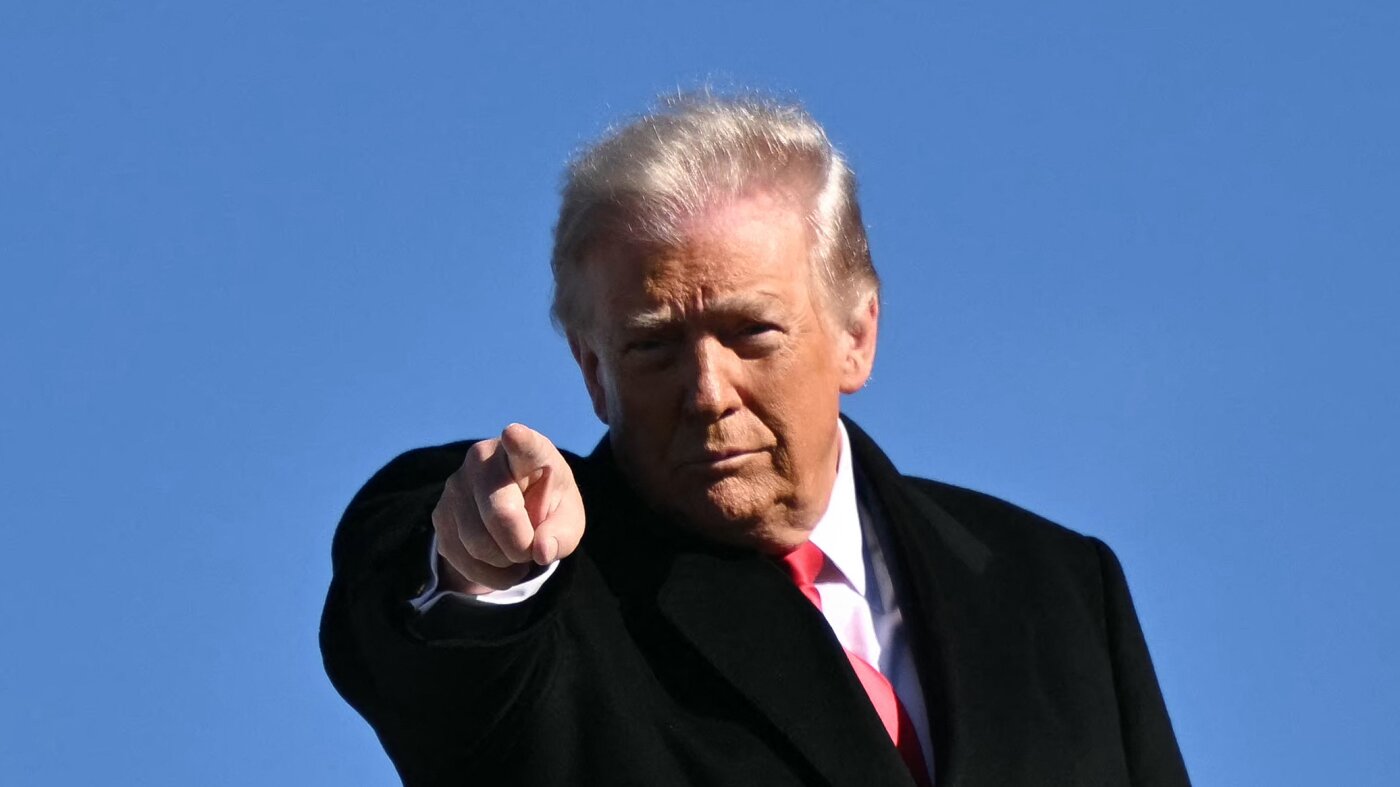
It's about to get easier for Trump to fire federal workersImage Credit: NPR News
Key Points
- •Byline: A Senior Financial Correspondent
- •Dateline: WASHINGTON –
- •The New Classification: The rule establishes a new job classification called "Schedule Policy/Career." Federal employees in roles deemed to be "policy-influencing" or "policy-determining" can be moved into this new schedule at the president's discretion.
- •At-Will Employment: Once reclassified, these employees will lose the robust job protections that career civil servants currently possess. They can be reassigned, demoted, or fired for nearly any reason, much like the roughly 4,000 political appointees who serve at the pleasure of the president.
- •Official Justification: The administration contends the reform is essential for holding the federal bureaucracy accountable, streamlining the removal of underperforming employees, and ensuring that the president's directives are implemented without obstruction. Proponents cite long-standing complaints from managers across government that the current process for firing a federal employee is excessively burdensome and time-consuming.
Byline: A Senior Financial Correspondent Dateline: WASHINGTON –
Trump Administration Finalizes Rule to Overhaul Civil Service Protections, Easing Firing Process
The Trump administration has finalized a sweeping and contentious rule that will fundamentally reshape the federal workforce, stripping job protections from potentially tens of thousands of civil servants and converting them into at-will employees. The move, which fulfills a years-long objective of the president, is being cast by the White House as a necessary step toward efficiency and accountability, but critics warn it will dangerously politicize the government and dismantle a merit-based system that has been in place for over a century.
The new regulation, set to take effect on March 9, is already facing multiple legal challenges that promise a protracted battle over the limits of executive power and the nature of public service.
The New 'Schedule Policy/Career'
The core of the change is detailed in a 255-page final rule from the Office of Personnel Management (OPM), the federal government's central human resources agency. Titled "Improving Performance, Accountability and Responsiveness in the Civil Service," the rule creates a new employment category that dramatically alters the terms of federal employment for a significant portion of the workforce.
-
The New Classification: The rule establishes a new job classification called "Schedule Policy/Career." Federal employees in roles deemed to be "policy-influencing" or "policy-determining" can be moved into this new schedule at the president's discretion.
-
At-Will Employment: Once reclassified, these employees will lose the robust job protections that career civil servants currently possess. They can be reassigned, demoted, or fired for nearly any reason, much like the roughly 4,000 political appointees who serve at the pleasure of the president.
The Administration's Rationale: Efficiency and Control
The Trump administration has long argued that the federal bureaucracy is bloated, inefficient, and populated by career staff who are philosophically opposed to the president's agenda and actively work to undermine it. This rule is presented as the solution to that perceived problem.
-
Official Justification: The administration contends the reform is essential for holding the federal bureaucracy accountable, streamlining the removal of underperforming employees, and ensuring that the president's directives are implemented without obstruction. Proponents cite long-standing complaints from managers across government that the current process for firing a federal employee is excessively burdensome and time-consuming.
-
Targeting Obstruction: The White House has pointed to reports and its own assertions of federal employees "slow walking" or otherwise hindering the implementation of presidential directives as a key impetus for the change. The new rule would give the executive branch a powerful tool to remove individuals perceived as impediments.
A Long-Standing Goal Comes to Fruition
This policy is the culmination of an effort that began in the final months of President Trump's first term. In October 2020, he issued an executive order creating a similar category known as "Schedule F," which was rescinded by his successor before it could be fully implemented. This new rule effectively resurrects and codifies that plan.
The move represents a direct challenge to the principles underpinning the Pendleton Civil Service Reform Act of 1883, which was passed to end the "spoils system" of political patronage and establish a professional, apolitical civil service based on merit. For nearly 150 years, this system has been designed to ensure continuity of government and provide impartial expertise regardless of which political party holds the White House.
Scope and Opposition
While the exact number of employees who will be affected remains uncertain, the potential scale is vast. The rule's language is broad, and the final decision-making power is concentrated in the Oval Office.
-
Potential Scope: OPM has previously estimated that approximately 50,000 federal positions could be eligible for reclassification. This would represent a more than tenfold increase in the number of federal employees who can be fired at will.
-
Targeted Roles: The rule applies to employees in "policy-influencing positions," a definition that also includes their direct supervisors. Federal agencies will be tasked with reviewing their workforces and recommending positions for reclassification, but the president will make the final determination.
The proposal faced overwhelming public opposition. During the public comment period, OPM received over 40,000 submissions, 94% of which were against the rule. The administration has largely dismissed this opposition, attributing it to organized campaigns and a misunderstanding of the rule's intent.
"Our government needs serious improvements... but one thing that doesn't need changing is the notion that it exists to serve the American people and not any individual president," said Max Stier, president of the nonpartisan Partnership for Public Service. He warned the rule could be used to "remove expert career federal employees who place the law and service to the public ahead of blind loyalty and replace them with political supporters."
Erosion of Employee Rights
Beyond the loss of general job security, the rule specifically curtails key avenues for recourse that federal employees have historically relied upon to challenge unfair treatment and expose wrongdoing.
-
Merit Systems Protection: Employees moved to the new schedule will lose their right to appeal adverse personnel actions, such as firings or demotions, to the Merit Systems Protection Board (MSPB), an independent, quasi-judicial agency designed to protect the merit system.
-
Whistleblower Recourse: While the rule states that statutory whistleblower protections will remain, their practical enforcement is now in question. The primary investigative body, the Office of Special Counsel (OSC), has been operating without an independent, Senate-confirmed leader since President Trump fired the previous one last year, raising concerns about its ability to shield whistleblowers from retaliation.
-
Anti-Discrimination Ambiguity: The rule creates significant uncertainty regarding discrimination complaints. While it notes that reclassified employees can still file claims with the Equal Employment Opportunity Commission (EEOC), it also points out that the president himself is not subject to federal employment anti-discrimination laws, creating a potential loophole if a firing is directed from the White House.
The Path Forward: Legal and Political Battles
The finalization of the rule has set the stage for an immediate and intense legal fight. Multiple lawsuits have already been filed by good-government groups and legal organizations seeking to block its implementation.
- Legal Strategy: Opponents are arguing in federal court that the OPM rule is an illegal overreach of executive authority. Their central claim is that the administration is attempting to rewrite foundational civil service law through the regulatory process, a power reserved for Congress.
"This is a deliberate attempt to do through regulation what the law does not allow," said Skye Perryman, President and CEO of Democracy Forward, one of the groups suing the administration. "We have successfully fought this kind of power grab before, and we will fight this again."
As the March 9 effective date approaches, all eyes will be on the federal courts for a potential injunction to halt the rule. Its implementation will mark a pivotal moment for the American civil service, with the outcome of the ensuing legal battles determining whether the federal government continues to operate on a merit-based system or shifts toward one more directly controlled by political allegiance.
Source: NPR News
Related Articles
Nationwide Protests Against ICE Enforcement Erupt in U.S.
Thousands are protesting ICE after the DOJ declined to investigate a fatal agent-involved shooting in Minneapolis, fueling a national movement and public anger.
Venezuela Amnesty Bill Could Free Political Prisoners
Learn about Venezuela's proposed amnesty bill to release political prisoners. The move could signal a major political shift and affect future economic sanctions
Pokémon Cancels Yasukuni Shrine Event After Backlash
The Pokémon Company has canceled an event at Tokyo's controversial Yasukuni Shrine after facing international backlash from China and South Korea.
US to Lose Measles Elimination Status: What It Means
The U.S. is poised to lose its measles elimination status due to escalating outbreaks. Learn what this downgrade means for public health and the economy.