Trump Civil Service Rule Eases Firing Federal Workers
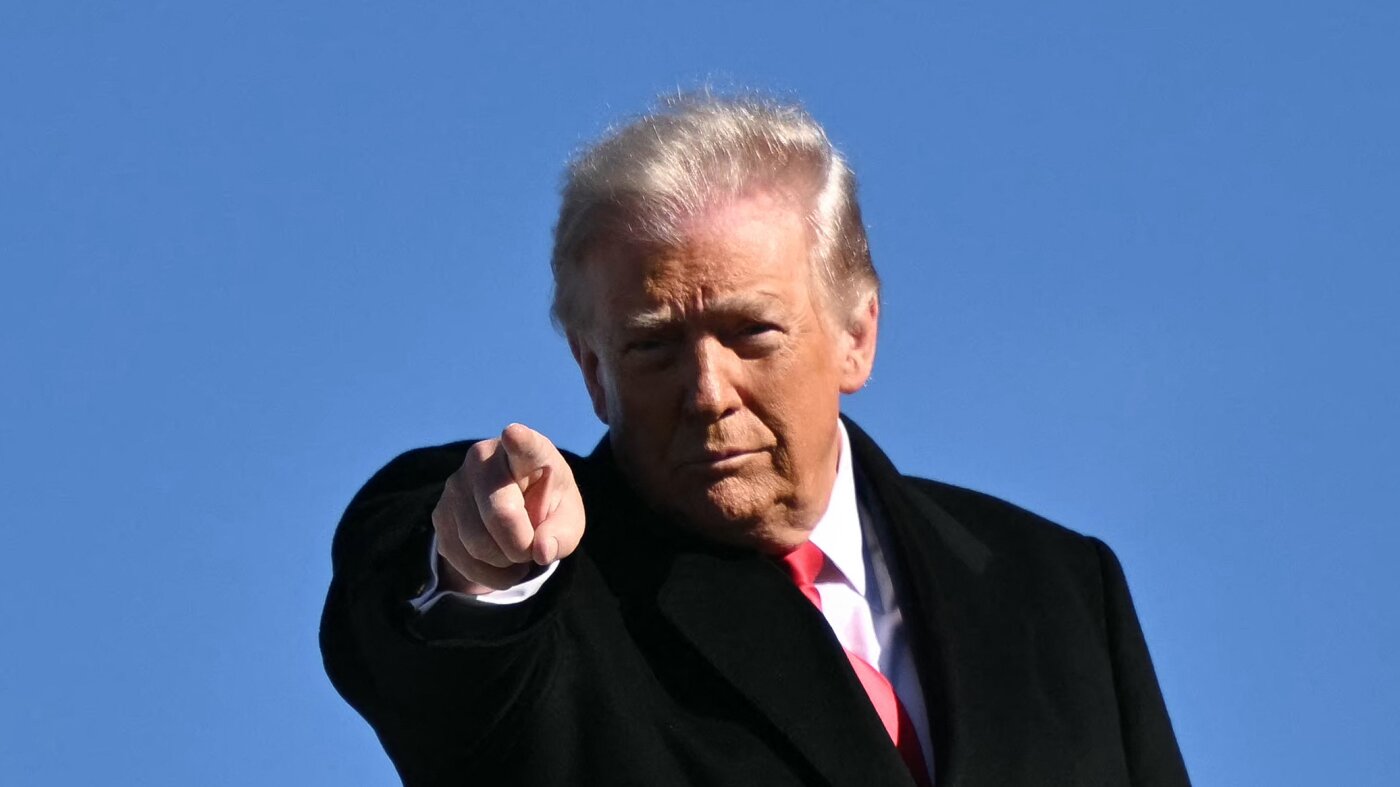
It's about to get easier for Trump to fire federal workersImage Credit: NPR Politics
Key Points
- •Washington, D.C. – The Trump administration on Friday finalized a contentious rule that fundamentally reshapes the federal civil service, granting the president broad new authority to fire tens ofthousands of government workers. The move dismantles long-standing employment protections and could pave the way for a significant politicization of the federal bureaucracy.
- •The New Category: "Schedule Policy/Career" is designed for employees in roles that involve advising on, developing, or implementing policy. This broad definition could encompass a wide range of jobs, from senior analysts and economists to attorneys and supervisors of policy-related staff.
- •The Process: Federal agencies will be directed to review their employee rosters and recommend positions for reclassification to OPM. However, the rule explicitly states that the President of the United States will make the final determination on which positions are converted.
- •The Timeline: The rule becomes effective on March 9, after which the process of identifying and reclassifying positions can begin. This sets the stage for potentially rapid changes within key federal agencies.
- •Politicization of the Civil Service: The primary fear is that the rule will be used to purge the government of experienced, nonpartisan civil servants and replace them with individuals chosen for their political loyalty. "Our government needs serious improvements... but one thing that doesn't need changing is the notion that it exists to serve the American people and not any individual president," said Max Stier, president of the nonpartisan Partnership for Public Service.
Sweeping Civil Service Overhaul Finalized, Granting President New Powers to Fire Federal Employees
Washington, D.C. – The Trump administration on Friday finalized a contentious rule that fundamentally reshapes the federal civil service, granting the president broad new authority to fire tens ofthousands of government workers. The move dismantles long-standing employment protections and could pave the way for a significant politicization of the federal bureaucracy.
The final rule, issued by the Office of Personnel Management (OPM), establishes a new category of federal employee that can be dismissed "at will," a power previously reserved for a small number of political appointees. The change, set to take effect March 9, actualizes a plan first introduced in the final months of President Trump's first term, aimed at what the administration calls improving accountability and responsiveness within the government's vast workforce.
Critics, however, warn the rule strikes at the heart of the merit-based, apolitical civil service that has been a cornerstone of American governance for over a century. They argue it creates a path for replacing nonpartisan experts with political loyalists, potentially destabilizing government operations and eroding public trust.
The Big Picture: A Fundamental Shift in Federal Employment
This new regulation represents one of the most significant changes to federal employment law since the Pendleton Civil Service Reform Act of 1883, which was created to end the "spoils system" of political patronage.
The rule allows the president to reclassify any federal positions deemed to have "policy-influencing" duties, moving them from the competitive service, which has robust job protections, into a new classification called "Schedule Policy/Career."
Employees in this new category will lose their ability to appeal adverse employment actions, such as firings or demotions, to the Merit Systems Protection Board (MSPB). While OPM estimates that up to 50,000 positions could be affected, the final number remains unspecified and is ultimately at the discretion of the president.
How It Works: The Mechanics of Reclassification
The 255-page rule outlines a clear, top-down process for overhauling significant portions of the federal workforce.
-
The New Category: "Schedule Policy/Career" is designed for employees in roles that involve advising on, developing, or implementing policy. This broad definition could encompass a wide range of jobs, from senior analysts and economists to attorneys and supervisors of policy-related staff.
-
The Process: Federal agencies will be directed to review their employee rosters and recommend positions for reclassification to OPM. However, the rule explicitly states that the President of the United States will make the final determination on which positions are converted.
-
The Timeline: The rule becomes effective on March 9, after which the process of identifying and reclassifying positions can begin. This sets the stage for potentially rapid changes within key federal agencies.
The Administration's Rationale: Efficiency and Accountability
The Trump administration has consistently argued that the existing civil service system is bloated, inefficient, and protects underperforming employees.
Proponents of the rule, titled "Improving Performance, Accountability and Responsiveness in the Civil Service," contend it is a necessary tool to streamline government and ensure the president's agenda is not obstructed by career bureaucrats.
The administration has pointed to reports of federal employees "slow walking" or actively working against presidential directives as evidence that reform is needed. The official argument is that making it easier to remove staff who are either poor performers or ideologically opposed to the administration's goals will make the government more effective and directly accountable to the elected executive.
Widespread Opposition and Core Concerns
The rule faced a torrent of opposition during its public comment period, with OPM receiving over 40,000 submissions. An overwhelming 94% of these comments were against the proposed changes. The administration has largely dismissed this opposition as being based on a misunderstanding of the rule's intent and existing federal laws.
Critics from nonpartisan good-government groups, federal employee unions, and legal organizations have articulated several key dangers.
-
Politicization of the Civil Service: The primary fear is that the rule will be used to purge the government of experienced, nonpartisan civil servants and replace them with individuals chosen for their political loyalty. "Our government needs serious improvements... but one thing that doesn't need changing is the notion that it exists to serve the American people and not any individual president," said Max Stier, president of the nonpartisan Partnership for Public Service.
-
Loss of Institutional Knowledge: Removing career experts from agencies like the Treasury Department, the Environmental Protection Agency, or the Justice Department could lead to a critical loss of expertise. This creates risks of policy errors, regulatory instability, and a diminished capacity for the government to respond to complex crises, from economic downturns to public health emergencies.
-
Erosion of Worker Protections: While OPM insists that reclassified employees will still be protected from prohibited practices like whistleblower retaliation, the rule strips them of their primary enforcement mechanism: the right to appeal to the MSPB. Furthermore, with the Office of Special Counsel now operating without its independently confirmed leader, and the president himself not being subject to federal anti-discrimination laws, the avenues for recourse are severely limited.
-
Chilling Effect: The mere possibility of reclassification and at-will firing could create a chilling effect across the federal workforce, discouraging employees from providing candid, expert advice that may be contrary to the political winds of the moment.
What's Next: Legal Battles and Implementation Uncertainty
The finalization of the rule is not the end of the story. It is the beginning of a new phase of intense legal and political conflict.
-
Immediate Legal Challenges: Multiple lawsuits are already pending to block the rule's implementation. Democracy Forward, a legal advocacy group, has vowed to fight what its President and CEO, Skye Perryman, called "a deliberate attempt to do through regulation what the law does not allow." These legal battles will likely challenge the administration's authority to unilaterally overhaul the civil service system without congressional action.
-
Implementation Questions: A cloud of uncertainty hangs over the implementation process. It remains unclear which specific agencies or roles will be targeted first, or how aggressively the White House will pursue reclassifications. This uncertainty could impact morale and productivity within the federal workforce as employees wait to see if their jobs will be converted.
-
Long-Term Implications: Regardless of the outcome of legal challenges, this rule sets a powerful precedent. It raises fundamental questions about the nature of public service and the balance of power between a president and the permanent government infrastructure. Any future administration could potentially inherit and use this new authority, permanently altering a system designed to ensure continuity and expertise across political transitions.
Source: NPR Politics
Related Articles
Nationwide Protests Against ICE Enforcement Erupt in U.S.
Thousands are protesting ICE after the DOJ declined to investigate a fatal agent-involved shooting in Minneapolis, fueling a national movement and public anger.
Venezuela Amnesty Bill Could Free Political Prisoners
Learn about Venezuela's proposed amnesty bill to release political prisoners. The move could signal a major political shift and affect future economic sanctions
Pokémon Cancels Yasukuni Shrine Event After Backlash
The Pokémon Company has canceled an event at Tokyo's controversial Yasukuni Shrine after facing international backlash from China and South Korea.
US to Lose Measles Elimination Status: What It Means
The U.S. is poised to lose its measles elimination status due to escalating outbreaks. Learn what this downgrade means for public health and the economy.