Trump's Stock Trades Raise Conflict of Interest Concerns
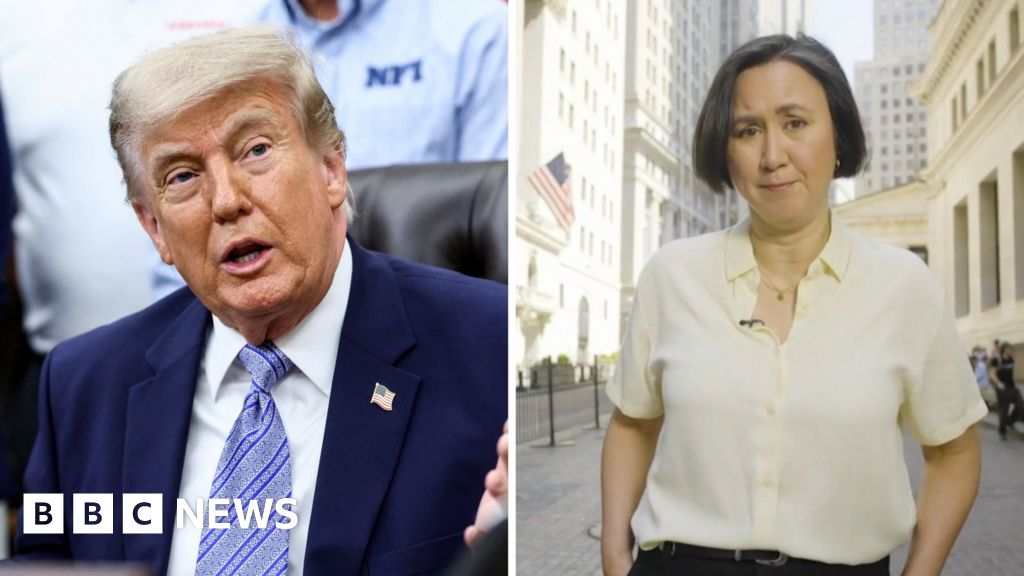
Why thousands of stock trades tied to Trump are raising eyebrowsImage Credit: BBC Business (Finance)
Key Points
- •NEW YORK – A trove of recent government filings has pulled back the curtain on a flurry of financial activity linked to President Donald Trump, revealing thousands of stock trades conducted on his behalf during the first three months of this year. The high-volume trading, which includes shares in some of America's most iconic companies, is intensifying an ongoing debate in Washington and on Wall Street about the nature of the president's financial arrangements and the potential for conflicts of interest.
- •What is a revocable trust?: The president remains the beneficiary of the trust. He can receive income from it, is aware of its holdings through public disclosures, and retains the power to revoke the trust at any time. The trustees are his sons, Donald Jr. and Eric Trump, along with a senior Trump Organization executive.
- •What is a blind trust?: In a qualified blind trust, the official’s assets are sold off by an independent trustee, who then reinvests the proceeds without the official's knowledge or control. The official is "blind" to the specific holdings, thus eliminating the possibility—or the appearance—of making policy decisions to benefit their personal portfolio.
- •Scale of Trading: The filings document thousands of individual transactions—both purchases and sales—between January and March of this year. This represents a significant level of churn for a portfolio of this size and nature.
- •Notable Holdings: The trading activity involved shares in a wide array of major U.S. corporations, including technology giants, financial institutions, and pharmaceutical companies. This places the president's financial interests squarely in sectors that are heavily influenced by federal regulation, trade policy, and government contracts.
Why thousands of stock trades tied to Trump are raising eyebrows
NEW YORK – A trove of recent government filings has pulled back the curtain on a flurry of financial activity linked to President Donald Trump, revealing thousands of stock trades conducted on his behalf during the first three months of this year. The high-volume trading, which includes shares in some of America's most iconic companies, is intensifying an ongoing debate in Washington and on Wall Street about the nature of the president's financial arrangements and the potential for conflicts of interest.
The disclosures, made public through the Office of Government Ethics (OGE), detail a highly active investment portfolio legally owned by the president but managed by trustees. While the White House maintains a strict firewall between the president and these financial decisions, the sheer scale of the activity within a structure that falls short of a traditional blind trust is drawing renewed scrutiny from ethics watchdogs.
The Official Position
The Trump Organization was swift to address the revelations. In a statement provided to the press, a spokesperson emphasized a complete separation between the president's duties and his financial portfolio.
"Neither the president, his family, nor The Trump Organization played any role whatsoever in the selection, approval, or management of these investments," the statement read. "They receive no advance notice of trading activity and provide no input regarding investment decisions or portfolio management."
This position underscores the formal arrangement put in place when President Trump took office: his assets were placed into a revocable trust designed to hold and manage his business empire and investments during his presidency.
Context: The Revocable Trust
Understanding the structure of the president's trust is crucial to understanding the controversy. Unlike the "qualified blind trusts" used by many of his predecessors, President Trump's arrangement is a revocable trust.
-
What is a revocable trust?: The president remains the beneficiary of the trust. He can receive income from it, is aware of its holdings through public disclosures, and retains the power to revoke the trust at any time. The trustees are his sons, Donald Jr. and Eric Trump, along with a senior Trump Organization executive.
-
What is a blind trust?: In a qualified blind trust, the official’s assets are sold off by an independent trustee, who then reinvests the proceeds without the official's knowledge or control. The official is "blind" to the specific holdings, thus eliminating the possibility—or the appearance—of making policy decisions to benefit their personal portfolio.
Ethics experts have consistently argued that the revocable trust model fails to adequately separate the president from his financial interests, as he is fully aware of the assets that can be affected by his administration's policies.
A Flurry of Activity
The first-quarter filings paint a picture not of a static portfolio, but of one that is being actively and dynamically managed. This level of trading is what has caught the attention of market analysts and ethics lawyers alike.
-
Scale of Trading: The filings document thousands of individual transactions—both purchases and sales—between January and March of this year. This represents a significant level of churn for a portfolio of this size and nature.
-
Notable Holdings: The trading activity involved shares in a wide array of major U.S. corporations, including technology giants, financial institutions, and pharmaceutical companies. This places the president's financial interests squarely in sectors that are heavily influenced by federal regulation, trade policy, and government contracts.
-
The Timing: This period of active trading coincided with major policy initiatives from the White House, including ongoing trade negotiations with China, discussions on healthcare reform, and shifts in regulatory enforcement across various industries.
The Ethical Conundrum
The central issue is not one of proven illegality but of perception and precedent. For a sitting president, the appearance of a conflict of interest can be as damaging as an actual one, eroding public trust and raising questions about the motivations behind official policy.
-
Appearance of Conflict: Critics argue that even if the president is not directing the trades, the managers of his trust are legally obligated to maximize its value. They operate in a world where the president's own words and actions—from a tweet about a specific company to a new tariff policy—can cause stock prices to swing dramatically. This creates a situation where policy and personal enrichment could, even if unintentionally, become intertwined.
-
Market Sensitivity: Modern markets react in milliseconds to presidential statements. A positive mention can boost a company’s stock, while a critical comment can send it tumbling. The knowledge that the president’s own portfolio could benefit from such movements creates a persistent ethical cloud.
-
Historical Precedent: The use of qualified blind trusts by past presidents—including Jimmy Carter, Ronald Reagan, George H.W. Bush, Bill Clinton, George W. Bush, and Barack Obama—established a modern ethical standard. The departure from this norm is a key reason why these filings are receiving such detailed examination.
What Happens Next
The Trump Organization's statement makes its position clear: the president is detached from the day-to-day management of his assets. However, the structure of the revocable trust ensures that he remains its ultimate beneficiary and is aware of its general contents.
This latest disclosure of high-volume trading will almost certainly lead to:
- Increased Congressional Oversight: Democratic-led committees in the House of Representatives are likely to seize on these filings as further evidence for their ongoing investigations into the president’s finances.
- Renewed Calls for Divestment: Ethics watchdogs will likely amplify their calls for the president to divest his holdings completely or place them in a federally approved blind trust to eliminate these questions entirely.
- Sustained Public Debate: As long as this financial structure remains in place, each new disclosure report will be meticulously analyzed by the media, political opponents, and the public, ensuring that the issue of the president’s financial conflicts remains a recurring theme of his administration.
For Wall Street and Washington, these filings are more than just a ledger of financial transactions. They are a quarterly reminder of an unprecedented financial arrangement for a U.S. president and the complex ethical questions that accompany it.
Source: BBC Business (Finance)
Related Articles
Nationwide Protests Against ICE Enforcement Erupt in U.S.
Thousands are protesting ICE after the DOJ declined to investigate a fatal agent-involved shooting in Minneapolis, fueling a national movement and public anger.
Venezuela Amnesty Bill Could Free Political Prisoners
Learn about Venezuela's proposed amnesty bill to release political prisoners. The move could signal a major political shift and affect future economic sanctions
Pokémon Cancels Yasukuni Shrine Event After Backlash
The Pokémon Company has canceled an event at Tokyo's controversial Yasukuni Shrine after facing international backlash from China and South Korea.
US to Lose Measles Elimination Status: What It Means
The U.S. is poised to lose its measles elimination status due to escalating outbreaks. Learn what this downgrade means for public health and the economy.