Trump Tariffs Struck Down by Supreme Court: 7 Key Things
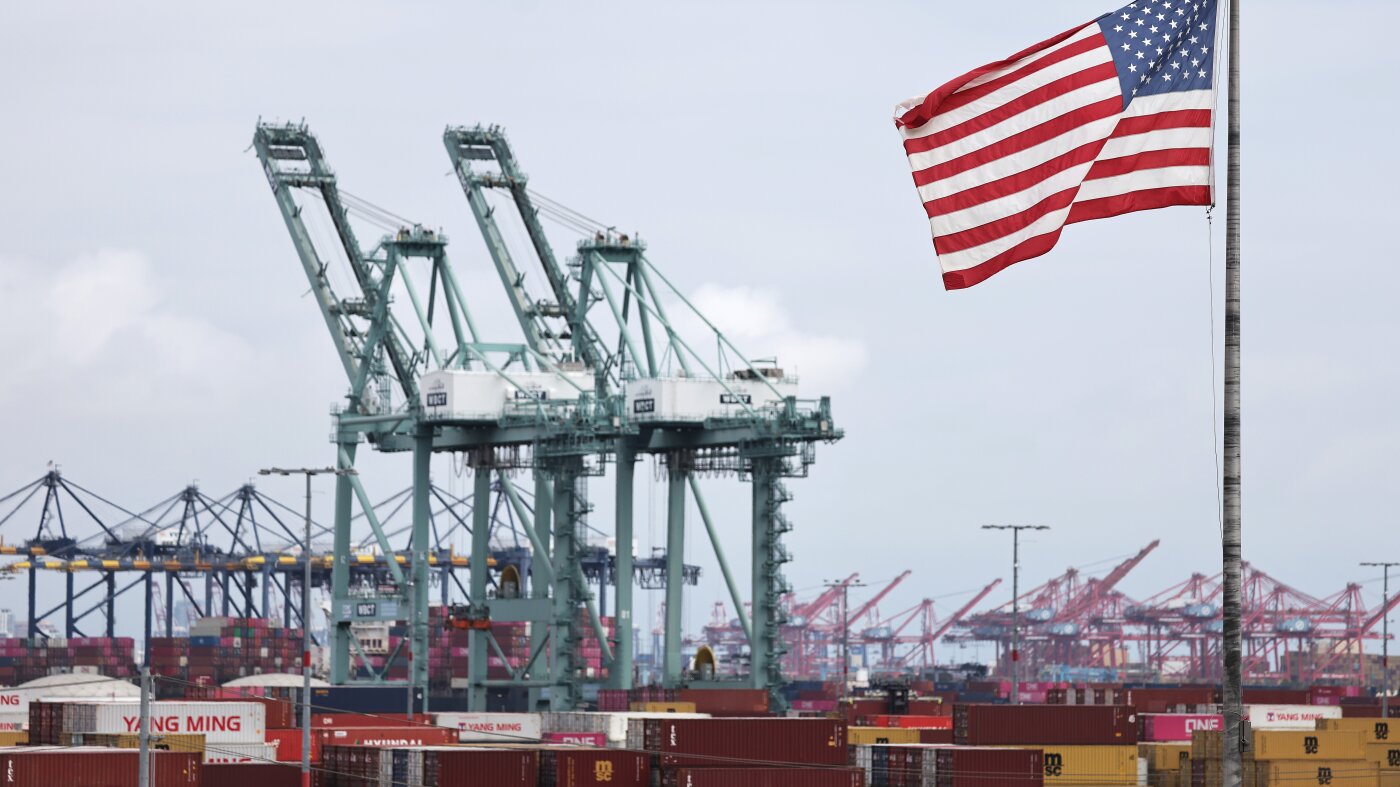
7 key things to know about Trump's tariffs after the Supreme Court decisionImage Credit: NPR Business
Key Points
- •SOURCE: NPR Business
- •Massive Revenue Spike: Federal tariff collection has surged to approximately $30 billion per month under the new rates, a fourfold increase from the period before Trump returned to the White House. This has pushed tariff rates to their highest levels in nearly a century.
- •Limited Overall Share: Despite the sharp increase, import taxes remain a relatively small component of the federal government's total income. In January, for instance, tariffs accounted for just over 5% of all government revenue, highlighting their limits as a primary funding mechanism.
- •Mitigating Factors: The total tariff bill has been tempered by strategic business decisions and specific policy exemptions. Importers have successfully shifted production to countries with lower tariff rates, and the administration has granted exemptions for consumer-sensitive goods like coffee and bananas. This is reflected in trade data; U.S. imports from China fell from 12% in early 2024 to about 8% by September of last year as companies recalibrated their supply chains.
- •The Core Finding: Research from leading economists, including a working paper by Harvard's Gita Gopinath and the University of Chicago's Brent Neiman, concludes that nearly 100% of the tariff costs are being paid by U.S. importers.
7 key things to know about Trump's tariffs after the Supreme Court decision
SOURCE: NPR Business
A landmark Supreme Court decision on Friday struck down a cornerstone of President Trump's aggressive trade policy, ruling that the administration overstepped its authority by using a 1970s emergency statute to impose sweeping tariffs on global imports. The judgment represents a significant check on presidential power and introduces immediate uncertainty into global trade, a multitrillion-dollar U.S. revenue stream, and the future of the administration's economic agenda.
The ruling creates a complex new landscape for businesses, investors, and policymakers. Here are the seven key takeaways you need to understand what’s at stake.
The Big Picture: A Rebuke to Presidential Authority
The court's decision centered on the administration's use of the International Emergency Economic Powers Act (IEEPA). Passed in the 1970s, the statute was designed to allow a president to respond to unusual and extraordinary foreign threats, but it notably never uses the word "tariff."
The justices found that leveraging this emergency law to levy broad-based import taxes on nearly every country in the world went beyond the authority Congress granted to the executive branch. This decision effectively invalidates a significant portion of the administration's tariff structure and forces a strategic pivot.
1. The Fiscal Impact: Significant, But Not a Silver Bullet
While the tariffs have dramatically increased government revenue, they are not the fiscal panacea the administration has sometimes claimed.
- Massive Revenue Spike: Federal tariff collection has surged to approximately $30 billion per month under the new rates, a fourfold increase from the period before Trump returned to the White House. This has pushed tariff rates to their highest levels in nearly a century.
- Limited Overall Share: Despite the sharp increase, import taxes remain a relatively small component of the federal government's total income. In January, for instance, tariffs accounted for just over 5% of all government revenue, highlighting their limits as a primary funding mechanism.
- Mitigating Factors: The total tariff bill has been tempered by strategic business decisions and specific policy exemptions. Importers have successfully shifted production to countries with lower tariff rates, and the administration has granted exemptions for consumer-sensitive goods like coffee and bananas. This is reflected in trade data; U.S. imports from China fell from 12% in early 2024 to about 8% by September of last year as companies recalibrated their supply chains.
2. The Economic Burden: Who Really Pays the Price
A central claim of the administration has been that foreign nations bear the cost of U.S. tariffs. However, extensive economic analysis shows the burden falls almost entirely on the domestic economy.
- The Core Finding: Research from leading economists, including a working paper by Harvard's Gita Gopinath and the University of Chicago's Brent Neiman, concludes that nearly 100% of the tariff costs are being paid by U.S. importers.
- The Business Dilemma: American businesses are left with two choices, neither of them ideal. They can absorb the additional cost, which directly erodes their profit margins, or they can pass the expense on to their customers in the form of higher prices, contributing to inflationary pressures.
3. The Ruling's Scope: A Partial, Not Total, Rollback
The Supreme Court's decision, while impactful, does not dismantle the entirety of the administration's tariff wall. Its scope is precisely targeted.
- Targeted Decision: The ruling applies exclusively to tariffs imposed under the IEEPA. These tariffs, due to their broad, worldwide application, have been a primary tool for the administration.
- The 50% Impact: The now-outlawed IEEPA tariffs represent about half of all import taxes the U.S. government is currently collecting each month.
- Untouched Tariffs: Other significant tariffs remain in effect. These were levied under different legal authorities, such as Section 232 of the Trade Expansion Act (for national security reasons, like on steel and aluminum) and Section 301 of the Trade Act of 1974 (to combat unfair trade practices, primarily against China). These statutes were not challenged in this case.
4. The Refund Mechanism: Complicated, Yet Feasible
During oral arguments, justices expressed concern over the logistical challenges of refunding billions in illegally collected duties, with Justice Amy Coney Barrett calling it a potential "mess." However, legal and customs experts believe the process is manageable.
- Expert Assessment: Veteran tariff lawyer Robert Leo and others argue that while the process would be cumbersome, it is far from impossible.
- A Digital Trail: Modern customs collection is highly computerized. U.S. Customs and Border Protection has detailed electronic records of every transaction, making it relatively straightforward to identify which payments are eligible for refunds under the court's ruling.
- Proactive Measures: The customs agency has reportedly prepared for this contingency by indicating its readiness to waive statutory deadlines that would normally bar importers from claiming refunds after a certain period.
5. The Administration's Next Move: A Hunt for Alternatives
The administration has already signaled its intent to replace the invalidated tariffs using other legal avenues, but its options are now more constrained.
- The Search for Authority: Hours after the decision, President Trump announced plans for a 10% worldwide tariff using Section 122 of the Trade Act of 1974, a statute designed to address balance-of-payment deficits.
- Legal Guardrails: These alternative statutes come with more strings attached. Section 122, for example, limits such tariffs to a maximum of 150 days and requires specific justifications.
- Tighter Restrictions: Other laws, like Section 301 and Section 232, require lengthy fact-finding investigations by the U.S. Trade Representative or the Commerce Department. They cannot be used for purely political leverage, such as the 50% tariff imposed on Brazil in July over frustrations with the prosecution of a former president.
6. The Political Calculus: Affordability vs. Ideology
The White House is acutely aware of the political headwinds created by high consumer costs, creating a clear tension with its protectionist trade agenda.
- Voter Sentiment: With the president's economic approval ratings underwater, the administration has tacitly conceded that tariffs contribute to the high cost of living that frustrates voters.
- Policy Adjustments: The administration's decision to roll back or delay tariffs on certain consumer goods—including coffee, bananas, and upholstered furniture—is a direct acknowledgment of their impact on household budgets.
- The Core Dilemma: This creates a difficult choice for the White House: slow-walk new tariffs to avoid further antagonizing voters or press ahead with a trade strategy central to the president's "America First" doctrine.
7. The Bottom Line: An Unwavering Belief in Tariffs
Despite the major legal setback and mounting political pressure, President Trump remains a true believer in the power of tariffs as a primary tool of statecraft.
- Trump's Conviction: The president views tariffs not merely as a revenue source but as essential leverage in negotiating with both allies and adversaries on trade and other geopolitical issues.
- What to Expect: The administration will likely continue to test the legal boundaries of its remaining authorities. Businesses should anticipate a period of regulatory maneuvering as the White House seeks to reimpose tariffs under a different legal framework.
The Path Forward
The Supreme Court's ruling immediately throws the status of billions of dollars in monthly tariff revenue into question and sets the stage for a complex refund process for thousands of American importers.
Looking ahead, the administration faces a more arduous and legally fortified path to executing its trade policy. This decision reasserts Congress's constitutional authority over trade and taxation and may serve as a lasting precedent for the separation of powers. For global businesses, the ruling injects a new layer of uncertainty into supply chain management and investment decisions, ensuring that international trade will remain a volatile and closely watched arena.
Source: NPR Business
Related Articles
Nationwide Protests Against ICE Enforcement Erupt in U.S.
Thousands are protesting ICE after the DOJ declined to investigate a fatal agent-involved shooting in Minneapolis, fueling a national movement and public anger.
Venezuela Amnesty Bill Could Free Political Prisoners
Learn about Venezuela's proposed amnesty bill to release political prisoners. The move could signal a major political shift and affect future economic sanctions
Pokémon Cancels Yasukuni Shrine Event After Backlash
The Pokémon Company has canceled an event at Tokyo's controversial Yasukuni Shrine after facing international backlash from China and South Korea.
US to Lose Measles Elimination Status: What It Means
The U.S. is poised to lose its measles elimination status due to escalating outbreaks. Learn what this downgrade means for public health and the economy.