Uber Ordered to Pay $8.5m in Passenger Rape Lawsuit
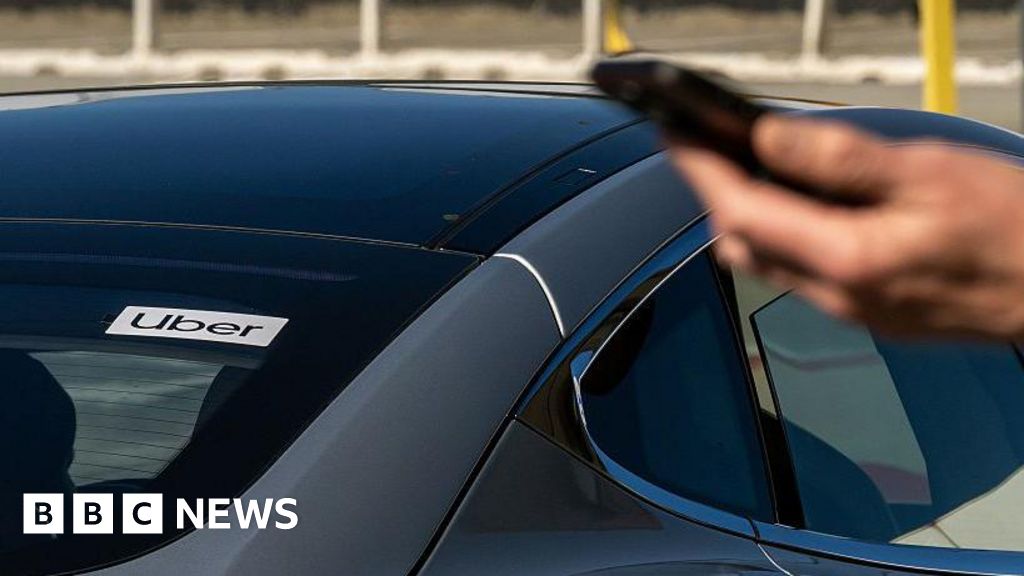
Uber ordered to pay $8.5m over claim driver raped passengerImage Credit: BBC Business (Finance)
Key Points
- •A landmark verdict has seen ride-hailing giant Uber ordered to pay $8.5 million to a passenger who alleged she was raped by a driver, in a case that strikes at the heart of the company's responsibility for passenger safety. The jury's decision focuses not only on the horrific assault but on the plaintiff's central claim: that Uber was aware of a persistent pattern of sexual violence by its drivers and failed to implement basic safety measures.
- •Prior Knowledge of Risk: The lawsuit contended that Uber's own internal data, as well as publicly available information, demonstrated a clear and ongoing "wave of sexual assaults" committed by individuals driving on its platform. The plaintiff argued this knowledge legally obligated the company to take decisive preventative action.
- •Failure to Implement "Basic" Safety: The case highlighted several safety measures the plaintiff claimed were readily available but not implemented by Uber. These included more robust and continuous background checks, clearer in-app emergency features, and a more stringent policy for deactivating drivers accused of misconduct.
- •Corporate Responsibility vs. Tech Platform: A central theme was the legal distinction between Uber as a simple technology platform versus a transportation provider. The verdict leans toward the latter, implying that Uber holds a greater degree of responsibility for the service provided than it has historically argued in court.
- •Staggering Statistics: Uber's most recent publicly available report revealed thousands of reported incidents of the most serious categories of sexual assault over a multi-year period. These figures, published by the company itself, became a crucial piece of evidence for plaintiffs seeking to establish a known pattern of risk.
Uber ordered to pay $8.5m over claim driver raped passenger
A landmark verdict has seen ride-hailing giant Uber ordered to pay $8.5 million to a passenger who alleged she was raped by a driver, in a case that strikes at the heart of the company's responsibility for passenger safety. The jury's decision focuses not only on the horrific assault but on the plaintiff's central claim: that Uber was aware of a persistent pattern of sexual violence by its drivers and failed to implement basic safety measures.
The ruling represents a significant financial and reputational blow to Uber, potentially setting a precedent for how platform liability is viewed in the gig economy. The case, brought by plaintiff Jaylynn Dean, moves beyond the actions of a single driver to question the corporate policies and safety infrastructure of the multi-billion dollar company.
Ms. Dean's lawsuit detailed a harrowing sexual assault that occurred in 2023 after she ordered an Uber to her hotel. The verdict suggests the jury was convinced by the argument that Uber's knowledge of prior incidents created a direct duty of care, which the company subsequently breached.
The Core of the Case: A Pattern of Negligence
The plaintiff's legal team successfully argued that this was not an isolated incident but part of a systemic failure. The case rested on demonstrating that Uber had ample data on safety risks but chose a path of insufficient action, prioritizing growth and operational ease over passenger protection.
Key arguments presented by the plaintiff included:
-
Prior Knowledge of Risk: The lawsuit contended that Uber's own internal data, as well as publicly available information, demonstrated a clear and ongoing "wave of sexual assaults" committed by individuals driving on its platform. The plaintiff argued this knowledge legally obligated the company to take decisive preventative action.
-
Failure to Implement "Basic" Safety: The case highlighted several safety measures the plaintiff claimed were readily available but not implemented by Uber. These included more robust and continuous background checks, clearer in-app emergency features, and a more stringent policy for deactivating drivers accused of misconduct.
-
Corporate Responsibility vs. Tech Platform: A central theme was the legal distinction between Uber as a simple technology platform versus a transportation provider. The verdict leans toward the latter, implying that Uber holds a greater degree of responsibility for the service provided than it has historically argued in court.
Uber's Troubled History with Safety
This verdict does not exist in a vacuum. For years, Uber has been dogged by concerns over passenger safety, prompting the company to invest millions in new features and transparency reports. However, the scale of the problem remains stark.
Acknowledged Dangers
In a bid for greater transparency, Uber has released its own comprehensive U.S. Safety Reports. While intended to show progress, the reports have also publicly quantified the immense safety challenge the platform faces.
-
Staggering Statistics: Uber's most recent publicly available report revealed thousands of reported incidents of the most serious categories of sexual assault over a multi-year period. These figures, published by the company itself, became a crucial piece of evidence for plaintiffs seeking to establish a known pattern of risk.
-
The Five Most Severe Categories: The reports track incidents ranging from "non-consensual kissing of a non-sexual body part" to "non-consensual sexual penetration," or rape. The data confirms that thousands of such events have been reported directly to the company.
Safety Features Implemented
In response to public pressure and legal challenges, Uber has rolled out a suite of safety tools. The company often points to these investments as proof of its commitment to safety.
-
In-App Tools: These include an emergency button to contact 911 directly from the app, the ability to share trip status with trusted contacts, and "RideCheck," which uses GPS data to detect unusual deviations or long stops.
-
Driver Screening: Uber maintains that all its U.S. drivers must pass a criminal background check before taking their first trip and are subject to continuous monitoring. However, critics argue these checks, often conducted by third-party services, are not as rigorous as those required for traditional taxi services.
-
Audio Recording: In some markets, Uber allows both riders and drivers to opt-in to record audio during a trip, providing a potential record in the event of a dispute or incident. The effectiveness and privacy implications of this feature remain a subject of debate.
Broader Implications for Uber and the Gig Economy
The $8.5 million judgment, while a rounding error on Uber's balance sheet, carries weight far beyond its monetary value. The verdict challenges the legal firewall Uber and other gig economy companies have built around the "independent contractor" model.
Financial and Legal Exposure
-
Litigation Precedent: This verdict could embolden thousands of other victims to come forward and file similar lawsuits. If juries consistently find Uber liable for its overarching safety policies, the company could face a cascade of costly legal battles.
-
Operational Costs: A potential outcome is increased pressure to implement more expensive and thorough safety protocols. This could include fingerprint-based background checks tied to federal databases—a standard for many city taxi commissions—which Uber has historically resisted due to cost and logistical complexity.
-
Reputational Damage: Each high-profile case erodes public trust. For a brand reliant on a feeling of safety and convenience, headlines about sexual assault and corporate negligence can cause lasting damage to its user base and brand equity.
The Path Forward
Uber is expected to appeal the verdict, continuing its long-held legal position that it is not directly responsible for the criminal acts of drivers, who are classified as independent contractors.
In a statement often echoed in similar cases, a company spokesperson might typically state: "The reported details are horrifying, and we take these matters with the utmost seriousness. While we respectfully disagree with the jury's verdict, we will continue to invest in new technologies and policies to enhance safety on our platform."
This case underscores the fundamental tension at the core of the modern gig economy: the pursuit of disruptive innovation and scale versus the fundamental duty of care owed to consumers. As courts and regulators continue to scrutinize this model, the outcome of this case and others like it will shape the legal and operational landscape for ride-hailing platforms for years to come.
Source: BBC Business (Finance)
Related Articles
Nationwide Protests Against ICE Enforcement Erupt in U.S.
Thousands are protesting ICE after the DOJ declined to investigate a fatal agent-involved shooting in Minneapolis, fueling a national movement and public anger.
Venezuela Amnesty Bill Could Free Political Prisoners
Learn about Venezuela's proposed amnesty bill to release political prisoners. The move could signal a major political shift and affect future economic sanctions
Pokémon Cancels Yasukuni Shrine Event After Backlash
The Pokémon Company has canceled an event at Tokyo's controversial Yasukuni Shrine after facing international backlash from China and South Korea.
US to Lose Measles Elimination Status: What It Means
The U.S. is poised to lose its measles elimination status due to escalating outbreaks. Learn what this downgrade means for public health and the economy.