UK Chefs Urge VAT Cut to 10% for Pubs & Restaurants
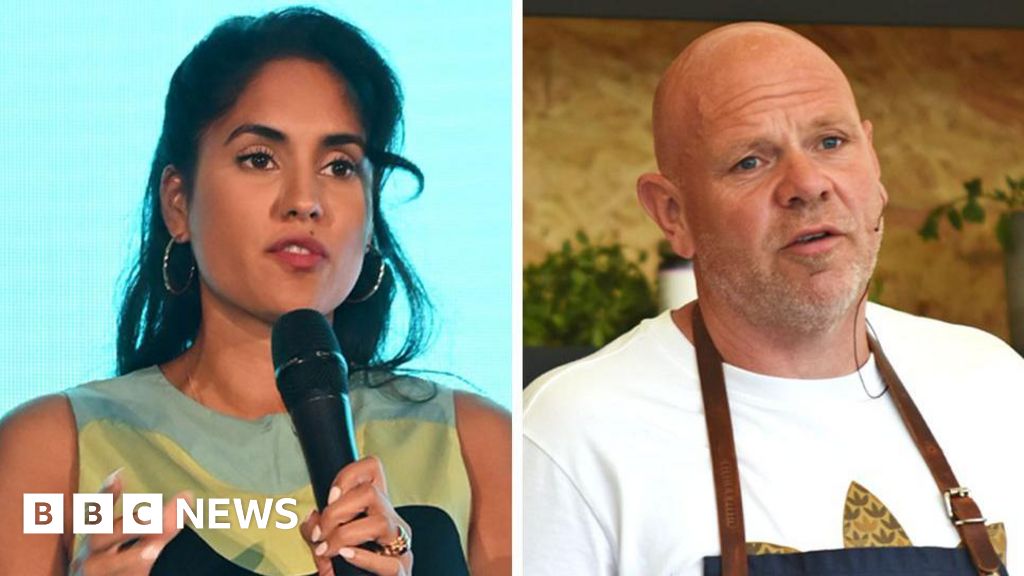
Top UK chefs call for cutting VAT for pubs and restaurants to 10%Image Credit: BBC Business (Finance)
Key Points
- •LONDON – A coalition of Britain's most celebrated chefs and restaurateurs, including Tom Kerridge, Rick Stein, and Angela Hartnett, has launched a high-profile campaign urging the government to slash the Value Added Tax (VAT) for the hospitality sector from 20% to 10%. The "Seat at the Table" initiative argues that such a cut is essential for the survival of thousands of pubs, restaurants, and cafes facing unprecedented financial pressure.
- •Soaring Costs: Businesses report that energy bills have, in some cases, tripled or quadrupled. This is compounded by rampant food price inflation, which has pushed the cost of staple ingredients to record highs.
- •Labour Shortages: Post-Brexit labour market shifts and pandemic-related career changes have created persistent staff shortages, driving up wage costs as businesses compete for a smaller pool of skilled workers.
- •Consumer Squeeze: With household budgets under intense pressure from inflation and rising interest rates, discretionary spending on dining out is one of the first areas to be cut, leading to reduced footfall and revenue.
- •Preventing Mass Closures: Proponents claim thousands of otherwise viable businesses are on a cliff-edge. A tax reduction would provide the necessary breathing room to absorb costs and remain solvent.
Top UK chefs call for cutting VAT for pubs and restaurants to 10%
LONDON – A coalition of Britain's most celebrated chefs and restaurateurs, including Tom Kerridge, Rick Stein, and Angela Hartnett, has launched a high-profile campaign urging the government to slash the Value Added Tax (VAT) for the hospitality sector from 20% to 10%. The "Seat at the Table" initiative argues that such a cut is essential for the survival of thousands of pubs, restaurants, and cafes facing unprecedented financial pressure.
The campaign contends that a permanent reduction in VAT is not merely a request for aid, but a critical investment in a cornerstone of the UK economy, necessary to prevent widespread closures, protect jobs, and stabilise prices for consumers amid a cost-of-living crisis.
The Epicentre of the Storm
The UK's hospitality industry finds itself in a "perfect storm" of economic challenges. Having navigated the immense disruption of the COVID-19 pandemic, businesses have been immediately plunged into a new crisis defined by soaring operational costs.
Industry leaders argue that the current 20% VAT rate, which was restored in April 2022 after a temporary pandemic-era reduction, is unsustainable in the current climate.
- Soaring Costs: Businesses report that energy bills have, in some cases, tripled or quadrupled. This is compounded by rampant food price inflation, which has pushed the cost of staple ingredients to record highs.
- Labour Shortages: Post-Brexit labour market shifts and pandemic-related career changes have created persistent staff shortages, driving up wage costs as businesses compete for a smaller pool of skilled workers.
- Consumer Squeeze: With household budgets under intense pressure from inflation and rising interest rates, discretionary spending on dining out is one of the first areas to be cut, leading to reduced footfall and revenue.
The Campaign's Core Arguments
The "Seat at the Table" movement, supported by industry body UKHospitality, puts forward a multi-faceted case for the VAT reduction. They frame the policy as a strategic move with benefits extending far beyond the hospitality sector itself.
The central arguments for the 10% VAT rate include:
- Preventing Mass Closures: Proponents claim thousands of otherwise viable businesses are on a cliff-edge. A tax reduction would provide the necessary breathing room to absorb costs and remain solvent.
- Boosting Employment: The hospitality sector is a major UK employer, particularly for young people. The campaign argues that a lower VAT rate would protect existing jobs and give businesses the confidence to hire new staff.
- Tackling Inflation: A cut would allow businesses to hold down menu prices, directly benefiting consumers and contributing to the government's wider goal of controlling inflation.
- Levelling the Playing Field: The UK's 20% VAT rate on hospitality is among the highest in Europe. Many competitor destinations, such as Italy (10%) and Spain (10%), benefit from lower rates, putting UK tourism at a competitive disadvantage.
The Treasury's Balancing Act
While the industry's plea is stark, the government faces a difficult fiscal reality. A significant tax cut for one sector would result in a substantial loss of revenue for the Exchequer, estimated to be in the billions of pounds annually. This comes at a time when public finances are already strained and demands on government spending are high.
The challenge for the Chancellor is to weigh the specific needs of the hospitality industry against a myriad of other competing pressures. As Shadow Chief Secretary to the Treasury, Pat McFadden, noted in a recent BBC interview, this decision is part of a much larger puzzle.
"The chancellor has to make these decisions in the round, netting off all of these demands against the increasing expenditure demands that government also faces by people every day saying 'why can't you spend more on this or this'," McFadden added.
The government's primary concerns include:
- Fiscal Responsibility: A permanent VAT cut would create a significant and ongoing hole in the public budget, potentially requiring tax rises elsewhere or cuts to public services like the NHS and education.
- Setting a Precedent: Acceding to the demand could open the floodgates for other struggling sectors, such as retail and manufacturing, to demand similar bespoke tax treatment.
- Inflationary Risk: Some economists argue that there is no guarantee businesses would pass the full benefit of a VAT cut on to consumers, and it could instead be absorbed into profits without significantly lowering prices.
Lessons from the Pandemic
The campaign's call is not without precedent. During the pandemic, the government temporarily reduced VAT for hospitality to 5% in July 2020, later raising it to 12.5% before returning to the standard 20% rate.
That policy is widely credited by industry leaders as a vital lifeline that kept thousands of businesses afloat during lockdowns and periods of restricted trading. Campaigners now argue that the current economic crisis, while different in nature, is equally existential and warrants a similar, albeit permanent, policy response.
What Happens Next?
The "Seat at the Table" campaign is set to intensify its lobbying efforts in the run-up to the next major fiscal event, likely the Autumn Statement. The industry will be looking for a clear signal from the Chancellor that its concerns are being heard.
The outcome will depend on whether the Treasury believes the long-term economic benefits of a healthier hospitality sector—including higher overall tax receipts from profitable businesses and employed individuals—outweigh the immediate cost of the tax cut.
For now, the future of countless pubs and restaurants hangs in the balance, caught between the harsh reality of the market and the difficult choices facing policymakers in Westminster.
Source: BBC Business (Finance)
Related Articles
Nationwide Protests Against ICE Enforcement Erupt in U.S.
Thousands are protesting ICE after the DOJ declined to investigate a fatal agent-involved shooting in Minneapolis, fueling a national movement and public anger.
Venezuela Amnesty Bill Could Free Political Prisoners
Learn about Venezuela's proposed amnesty bill to release political prisoners. The move could signal a major political shift and affect future economic sanctions
Pokémon Cancels Yasukuni Shrine Event After Backlash
The Pokémon Company has canceled an event at Tokyo's controversial Yasukuni Shrine after facing international backlash from China and South Korea.
US to Lose Measles Elimination Status: What It Means
The U.S. is poised to lose its measles elimination status due to escalating outbreaks. Learn what this downgrade means for public health and the economy.