Trump Backs Down on Greenland After UK-EU Pressure
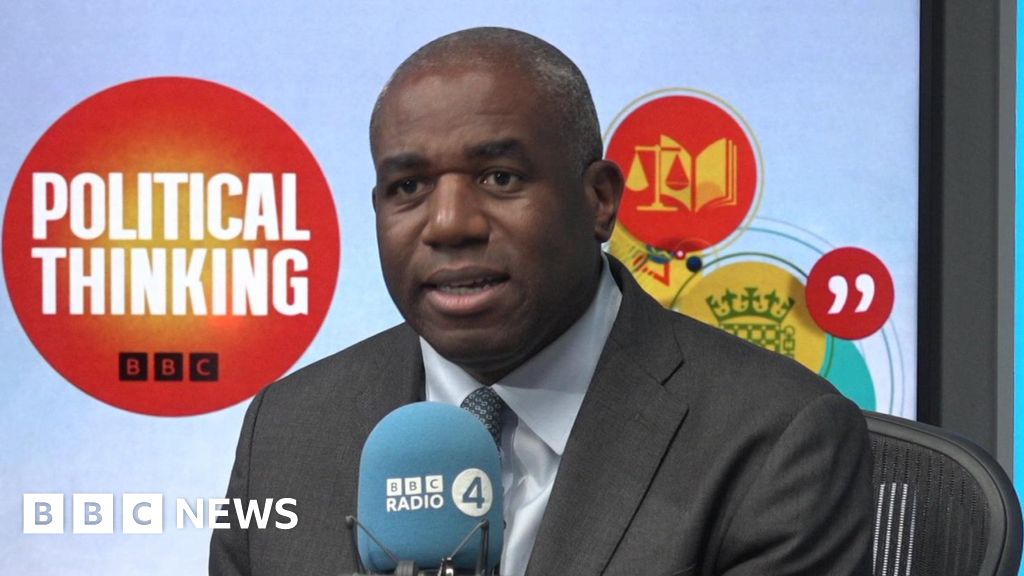
UK and European concerns made Trump back down on Greenland, says David LammyImage Credit: BBC Politics
Key Points
- •Military Force: Trump backed away from using force to secure the Danish territory, a position that had brought relations with Denmark to a historic low.
- •Tariff Withdrawal: The proposed 10% import tax on UK and EU goods was dropped, with the White House citing "progress towards a future deal."
- •Diplomatic Return: Lammy confirmed that the situation has returned to a "negotiation," moving away from the brink of unilateral action.
- •Respect for Sovereignty: Lammy emphasized that the UK made its position on international law "absolutely crystal clear" to the White House.
- •Allied Displeasure: The Deputy Prime Minister noted that Trump "responded to our concerns" after realizing the depth of displeasure among his closest allies.
Diplomatic De-escalation: How UK-EU Pressure Forced a Trump Pivot on Greenland
The geopolitical standoff over Greenland has reached a critical turning point as Donald Trump officially withdrew threats of military force and trade sanctions against European allies. Deputy Prime Minister David Lammy has credited a unified front between the United Kingdom and European partners for the de-escalation, asserting that "serious behind-the-scenes diplomacy" successfully moderated the US President’s aggressive stance. While the immediate threat of annexation and trade war has receded, the episode signals a permanent shift in the transatlantic alliance, marking the end of the "old order" and the beginning of a more coercive era of international relations.
Why It Matters
The resolution of the Greenland crisis prevents a catastrophic rift within NATO and averts a 10% tariff wall that would have crippled UK-EU trade. However, the underlying tensions regarding Arctic security and US territorial ambitions remain unresolved.
The Pivot: From Threats to Negotiation
In a significant climbdown, President Trump abandoned his pursuit of Greenland via military or economic coercion. This reversal occurred just hours after he had threatened 10% import taxes on eight countries, including the UK, for opposing his demands.
Key Developments:
- Military Force: Trump backed away from using force to secure the Danish territory, a position that had brought relations with Denmark to a historic low.
- Tariff Withdrawal: The proposed 10% import tax on UK and EU goods was dropped, with the White House citing "progress towards a future deal."
- Diplomatic Return: Lammy confirmed that the situation has returned to a "negotiation," moving away from the brink of unilateral action.
The UK Strategy
Despite public criticism from Trump—who labeled Prime Minister Sir Keir Starmer’s Chagos Islands deal an "act of great stupidity"—the UK government maintained a dual-track strategy:
- Public Firmness: Starmer told MPs he would not "yield" on Greenland’s right to self-determination.
- Private Diplomacy: Downing Street utilized "serious behind-the-scenes diplomacy" to communicate the legal and strategic consequences of US aggression.
Lammy’s Assessment: "Crystal Clear" Diplomacy
Speaking to Nick Robinson’s Political Thinking, David Lammy—who maintains a personal relationship with Vice President JD Vance—argued that the US retreat was a direct consequence of British and European pushback.
The Logic of the De-escalation
- Respect for Sovereignty: Lammy emphasized that the UK made its position on international law "absolutely crystal clear" to the White House.
- Allied Displeasure: The Deputy Prime Minister noted that Trump "responded to our concerns" after realizing the depth of displeasure among his closest allies.
- Predictability vs. Rhetoric: Lammy claimed he never believed the US would actually annex the territory, stating he had predicted Trump would not use force as early as January last year.
"Donald Trump stepped back from any suggestion of force, and he stepped back from the use of tariffs. Why? Because his close friend the United Kingdom and European partners expressed their displeasure." — David Lammy
The Arctic Security Vacuum
While the immediate threat of annexation has vanished, the strategic interest in Greenland has not. The US remains determined to play a "bigger role" in the region, driven by two primary factors:
- Russian Activity: Increased military maneuvers by Moscow in the Arctic have heightened Washington’s sense of urgency regarding northern flank security.
- Strategic Presence: The US view remains that a more robust American presence is required to secure the region, even if that presence is now pursued through diplomatic rather than coercive means.
Context: The End of the "Old Order"
The Greenland dispute is a symptom of a broader transformation in global politics. Lammy acknowledged that the "tectonic plates have shifted," and the traditional rules-based system is being replaced by a more transactional environment.
The "New Environment"
- Coercion over Courts: Major powers are increasingly using economic and military pressure rather than international legal frameworks to settle disputes.
- The Asia Pivot: As Washington focuses more heavily on the Indo-Pacific, Europe is being forced to take a leadership role within NATO.
- The "Special Relationship": Despite the friction, Lammy insists the UK-US bond remains "special," particularly regarding intelligence sharing and defense.
Internal Pressure on Starmer
The Prime Minister continues to face internal pressure from the Labour Party to adopt a more confrontational public stance against Trump. Critics argue that Starmer’s "avoidance" strategy emboldens aggressive US rhetoric. However, the withdrawal of tariffs is being framed by Number 10 as a validation of their cautious, diplomatic approach.
What’s Next: Implications for the Transatlantic Alliance
The de-escalation over Greenland provides a temporary reprieve, but the roadmap for Arctic security remains contested.
- Negotiation Framework: Future discussions will likely focus on increased US investment in Greenlandic infrastructure and expanded basing rights, rather than changes in sovereignty.
- European Defense Autonomy: The crisis has accelerated calls for European nations to bolster their own defense capabilities as the US becomes a more unpredictable partner.
- The Trade Deal: The "future deal" cited by Trump as the reason for dropping tariffs remains undefined. Negotiators will now look to formalize trade agreements that decouple commercial interests from territorial disputes.
The Bottom Line
The UK and Europe have successfully stared down a threat of annexation and economic warfare through a combination of unified rhetoric and quiet diplomacy. However, the Greenland episode serves as a stark warning: the era of predictable transatlantic relations has ended, replaced by a landscape where allies must navigate the constant threat of coercion.
Source: BBC Politics
Related Articles
Nationwide Protests Against ICE Enforcement Erupt in U.S.
Thousands are protesting ICE after the DOJ declined to investigate a fatal agent-involved shooting in Minneapolis, fueling a national movement and public anger.
Venezuela Amnesty Bill Could Free Political Prisoners
Learn about Venezuela's proposed amnesty bill to release political prisoners. The move could signal a major political shift and affect future economic sanctions
Pokémon Cancels Yasukuni Shrine Event After Backlash
The Pokémon Company has canceled an event at Tokyo's controversial Yasukuni Shrine after facing international backlash from China and South Korea.
US to Lose Measles Elimination Status: What It Means
The U.S. is poised to lose its measles elimination status due to escalating outbreaks. Learn what this downgrade means for public health and the economy.