Police Must Get Licences or Face Dismissal in UK Reform
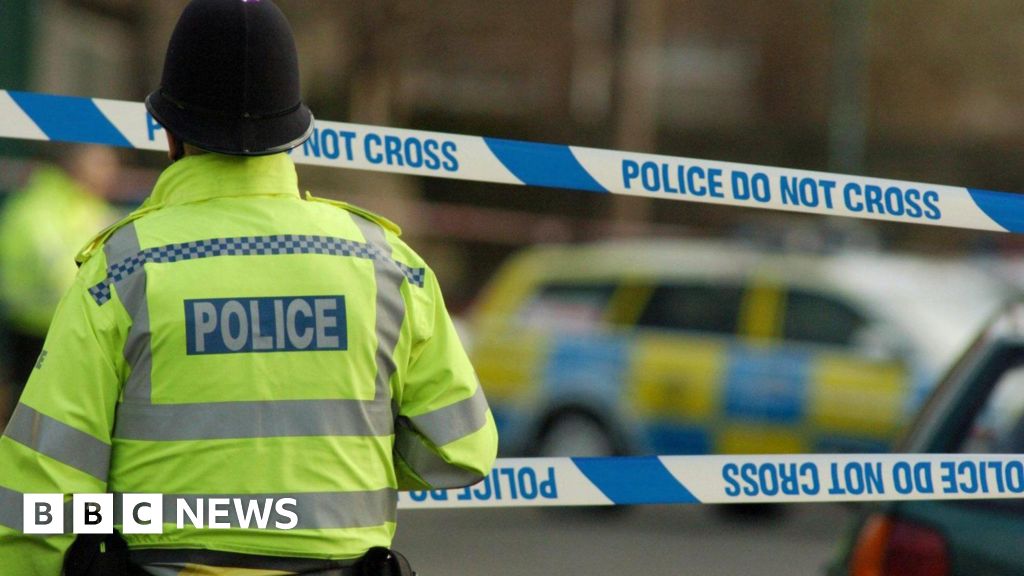
Police officers to be told they must get work licence or face dismissalImage Credit: BBC News
Key Points
- •The Home Office is set to unveil the most significant restructuring of British policing in a generation, introducing a mandatory licensing regime that could see officers stripped of their powers if they fail to maintain professional standards.**
- •Standardization: Currently, training and standards vary across the 43 individual forces in England and Wales.
- •Accountability: The licence creates a formal mechanism to remove officers who do not keep pace with modern policing requirements.
- •Competency: Officers must prove proficiency in critical areas, specifically tackling violence against women and girls (VAWG).
- •Phased Rollout: Training and accreditation will be introduced in stages to avoid overwhelming current force capacities.
Whitehall Overhaul: Mandatory ‘Licence to Practise’ to Anchor Radical Police Reform
The Home Office is set to unveil the most significant restructuring of British policing in a generation, introducing a mandatory licensing regime that could see officers stripped of their powers if they fail to maintain professional standards.
The Big Picture
Home Secretary Shabana Mahmood is positioning the "licence to practise" as the centerpiece of a wider reform package designed to professionalize the service and restore public trust. Under the new mandate, every police officer in England and Wales will be required to hold a valid work licence. Failure to obtain or renew this accreditation—vetted against specific performance metrics—will result in dismissal.
The move marks a fundamental shift in the employment status of police officers, moving the profession toward a model utilized by doctors (GMC) and solicitors (SRA).
Why It Matters
The British policing model has faced a sustained period of scrutiny following high-profile failures and a perceived "postcode lottery" in service delivery.
- Standardization: Currently, training and standards vary across the 43 individual forces in England and Wales.
- Accountability: The licence creates a formal mechanism to remove officers who do not keep pace with modern policing requirements.
- Competency: Officers must prove proficiency in critical areas, specifically tackling violence against women and girls (VAWG).
The Mechanics of the Licence
The Home Office intends for the "licence to practise" to be a career-long requirement rather than a one-time entrance exam.
Key Features:
- Phased Rollout: Training and accreditation will be introduced in stages to avoid overwhelming current force capacities.
- Continuous Professional Development (CPD): Officers must keep up to date with the latest forensic methods, legal guidance, and digital policing techniques.
- Skill Verification: Veterans and new recruits alike must demonstrate "match fitness" regarding evolving crime trends.
- Uniformity: The program will be standardized across all 43 forces to ensure a consistent level of service nationwide.
"As crime evolves, we expect police to evolve more quickly," stated Crime and Policing Minister Sarah Jones. "The licence will equip every officer with the skills to do the job—whether new to the force or a policing veteran."
New Powers: Sacking Chief Constables
Parallel to the licensing of rank-and-file officers, the government is dramatically expanding its oversight of police leadership.
Ministers will be granted statutory powers to intervene directly in failing forces. Previously, the power to suspend or remove a Chief Constable rested almost exclusively with local Police and Crime Commissioners (PCCs).
The New "Turnaround" Framework:
- Direct Dismissal: Ministers can now force the "retirement, resignation, or suspension" of chief constables deemed to be performing poorly.
- Specialist Intervention: The Home Office will have the authority to deploy "specialist teams" to take over operations in forces where crime-solving rates or emergency response times have collapsed.
- Public Accountability: New performance targets will be introduced and made fully transparent to the public to allow for external auditing of force efficacy.
This shift follows recent friction in the West Midlands, where the Home Secretary expressed a loss of confidence in Chief Constable Craig Guildford following a controversial decision regarding Israeli football fans.
Structural Consolidation: Reducing the 43 Forces
In a move that signals the end of the current regional policing map, Mahmood is expected to pledge a "significant" reduction in the number of individual police forces.
The current 43-force structure is viewed by Whitehall as inefficient and ill-equipped to handle cross-border serious and organised crime. By consolidating forces, the government aims to:
- Reduce Bureaucracy: Eliminate redundant administrative overheads across multiple headquarters.
- Focus Resources: Reallocate savings toward frontline policing and specialist units.
- National Consistency: Streamline command structures to better coordinate responses to national security threats.
Support and Skepticism
The reforms have received a cautious welcome from regulatory bodies, though frontline representatives remain wary of the logistics.
The Inspectorate’s View
Sir Andy Cooke, head of His Majesty’s Inspectorate of Constabulary and Fire & Rescue Services (HMICFRS), backed the measures:
"Where a police force is failing the public, there must be a clear, fair system to make sure concerns are acted upon. These reforms will help make sure under-performance is more quickly addressed."
The Police Federation’s Warning
The Police Federation of England and Wales, which represents rank-and-file officers, raised concerns regarding the "real-world" application of the plans:
- Investment Gap: The Federation argues that reform cannot succeed without significant investment in equipment and capabilities.
- Leadership Issues: They noted that fewer forces do not inherently guarantee better leadership or support for officers.
- Postcode Lottery: While acknowledging the current system is flawed, they cautioned that consolidation must not come at the expense of local community presence.
What’s Next
The Home Secretary is expected to provide further details on the legislative timeline on Monday.
Immediate Milestones:
- Legislative Introduction: Statutory instruments will be moved to grant ministers the new dismissal powers.
- Consultation Phase: The Home Office will consult with the College of Policing on the specific curriculum for the "licence to practise."
- Force Mapping: A formal review into which of the 43 forces will be merged or abolished is expected to follow the initial policy announcement.
The Bottom Line: For the first time, a police officer’s badge is no longer a permanent guarantee of employment. It is now a renewable credential contingent on performance, modernization, and central government approval.
Source: BBC News
Related Articles
Nationwide Protests Against ICE Enforcement Erupt in U.S.
Thousands are protesting ICE after the DOJ declined to investigate a fatal agent-involved shooting in Minneapolis, fueling a national movement and public anger.
Venezuela Amnesty Bill Could Free Political Prisoners
Learn about Venezuela's proposed amnesty bill to release political prisoners. The move could signal a major political shift and affect future economic sanctions
Pokémon Cancels Yasukuni Shrine Event After Backlash
The Pokémon Company has canceled an event at Tokyo's controversial Yasukuni Shrine after facing international backlash from China and South Korea.
US to Lose Measles Elimination Status: What It Means
The U.S. is poised to lose its measles elimination status due to escalating outbreaks. Learn what this downgrade means for public health and the economy.