Ukraine Condemns Russian Strikes Amid Abu Dhabi Peace Talks
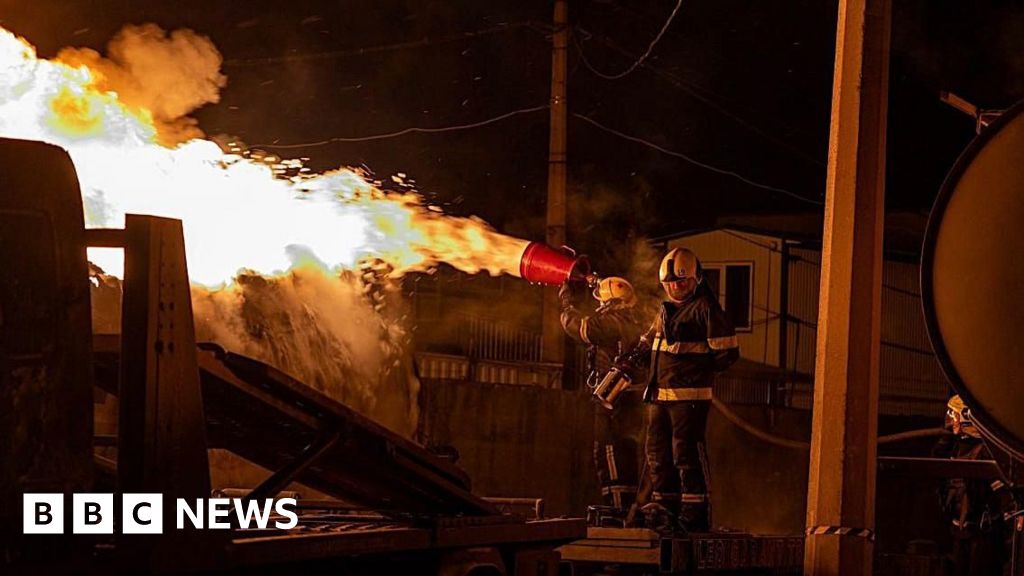
Ukraine condemns 'brutal' Russian strikes ahead of second day of peace talksImage Credit: BBC News
Key Points
- •ABU DHABI** — A fresh wave of Russian missile and drone strikes targeted Ukrainian civilian infrastructure overnight, casting a long shadow over the conclusion of high-stakes trilateral negotiations between Ukraine, Russia, and the United States.
- •The Toll: One fatality in Kyiv; 35 injuries reported across the country.
- •The Diplomacy: Talks ended Saturday, with Russian state media signaling a willingness to continue, despite deep-seated disagreements over territorial integrity.
- •The Strategy: Analysts suggest Moscow is leveraging "battlefield pressure" to gain the upper hand at the negotiating table.
- •Heating Crisis: Approximately 6,000 buildings were left without heating during sub-zero temperatures.
Ukraine Condemns 'Brutal' Russian Strikes as Abu Dhabi Peace Talks Conclude
ABU DHABI — A fresh wave of Russian missile and drone strikes targeted Ukrainian civilian infrastructure overnight, casting a long shadow over the conclusion of high-stakes trilateral negotiations between Ukraine, Russia, and the United States.
The attacks, which killed at least one person and injured dozens more, prompted a fierce rebuke from Kyiv. Ukrainian officials characterized the strikes as a "cynical" attempt to undermine the diplomatic process currently unfolding in the United Arab Emirates.
The Big Picture
The strikes occurred just as delegations from the three nations concluded their second day of meetings in Abu Dhabi. These sessions represent the first formal trilateral dialogue involving the Kremlin since the full-scale invasion of Ukraine began in February 2022.
- The Toll: One fatality in Kyiv; 35 injuries reported across the country.
- The Diplomacy: Talks ended Saturday, with Russian state media signaling a willingness to continue, despite deep-seated disagreements over territorial integrity.
- The Strategy: Analysts suggest Moscow is leveraging "battlefield pressure" to gain the upper hand at the negotiating table.
Humanitarian Impact: Winter as a Weapon
The overnight assault focused heavily on energy infrastructure, a recurring Russian tactic as temperatures in the region plummet to -12°C (10°F).
Kyiv Under Fire
Mayor Vitali Klitschko reported that the capital’s critical infrastructure sustained significant damage.
- Heating Crisis: Approximately 6,000 buildings were left without heating during sub-zero temperatures.
- Casualties: One person was confirmed dead, and four others were injured; three required hospitalization.
Devastation in Kharkiv
The eastern city of Kharkiv bore the brunt of the "sustained assault."
- Injuries: Mayor Ihor Terekhov confirmed 31 people were wounded.
- Targets: Damage was reported at a maternity hospital and a hostel housing internally displaced persons.
- Infrastructure: Footage from the scene showed firefighters battling blazes among destroyed logistics hubs and semi-trucks.
Diplomacy Under Duress
The Abu Dhabi talks are a pivotal moment in the conflict’s trajectory, marking a shift toward active mediation involving the United States. However, the rhetoric from Kyiv suggests that the military escalation is poisoning the diplomatic well.
The Ukrainian Stance
Foreign Minister Andrii Sybiha condemned the "barbaric" nature of the attacks, stating they hit "not only our people, but also the negotiation table."
"This proves that Putin's place is not at the board of peace, but at the dock of the special tribunal," Sybiha said.
The Negotiating Table
Diana Davitian, spokesperson for lead Ukrainian negotiator Rustem Umerov, confirmed that the current round of talks concluded on Saturday. While the specific details of the discussions remain classified, a source familiar with the matter told the BBC that:
- Progress: Some incremental gains have been made on secondary issues.
- The Stumbling Block: The fundamental issue of territorial sovereignty remains the primary impasse.
- Russian Position: The RIA news agency reported that Moscow remains "open to a continuation of dialogue."
The "Board of Peace" Context
The diplomatic backdrop is further complicated by recent statements from U.S. President Donald Trump regarding a proposed "Board of Peace."
- The Proposal: Last week, President Trump claimed Vladimir Putin had accepted an invitation to join this new organization aimed at resolving global conflicts.
- The Silence: The Kremlin has notably declined to confirm Putin's participation in such a board, maintaining a cautious distance from the American framing of the peace process.
- The Disruption: President Volodymyr Zelensky, who previously had to delay a trip to the World Economic Forum in Davos due to infrastructure attacks, reiterated that Russia’s primary objective remains the systematic destruction of Ukraine's energy grid.
Why It Matters
The timing of the strikes—coinciding exactly with the Abu Dhabi summit—serves as a stark reminder of the "double-track" strategy employed by the Kremlin. By maintaining military pressure during diplomatic engagement, Moscow seeks to test the resolve of the new U.S. administration and the endurance of the Ukrainian government.
For Ukraine, the strikes provide further evidence to present to the international community that Russia is not negotiating in good faith. For the U.S., the escalation complicates the effort to broker a swift "deal" to end the hostilities.
What’s Next
As the delegations depart Abu Dhabi, several key indicators will determine if the peace process has a future:
- Assessment of Gains: Negotiators will return to their respective capitals to brief leadership on the "progress" made during the trilateral sessions.
- Energy Resilience: Kyiv must prioritize the rapid repair of the 6,000 buildings without heat to prevent a humanitarian catastrophe as the cold snap continues.
- Future Meetings: While the current round has ended, the reported "openness" from both Washington and Moscow suggests a second round of trilateral talks could be scheduled within weeks, likely in a similar neutral venue.
- International Pressure: Expect Ukraine to use the damage to the maternity hospital in Kharkiv to lobby for increased air defense support and more stringent enforcement of sanctions against the Russian energy sector.
The Bottom Line: While the Abu Dhabi talks represent the most significant diplomatic opening in years, the "brutal" reality on the ground suggests that a ceasefire remains a distant prospect. The war of attrition continues, moving simultaneously through the freezing streets of Kharkiv and the luxury hotels of the UAE.
Source: BBC News
Related Articles
Nationwide Protests Against ICE Enforcement Erupt in U.S.
Thousands are protesting ICE after the DOJ declined to investigate a fatal agent-involved shooting in Minneapolis, fueling a national movement and public anger.
Venezuela Amnesty Bill Could Free Political Prisoners
Learn about Venezuela's proposed amnesty bill to release political prisoners. The move could signal a major political shift and affect future economic sanctions
Pokémon Cancels Yasukuni Shrine Event After Backlash
The Pokémon Company has canceled an event at Tokyo's controversial Yasukuni Shrine after facing international backlash from China and South Korea.
US to Lose Measles Elimination Status: What It Means
The U.S. is poised to lose its measles elimination status due to escalating outbreaks. Learn what this downgrade means for public health and the economy.