Musk's SpaceX Blocks Russian Starlink Use in Ukraine War
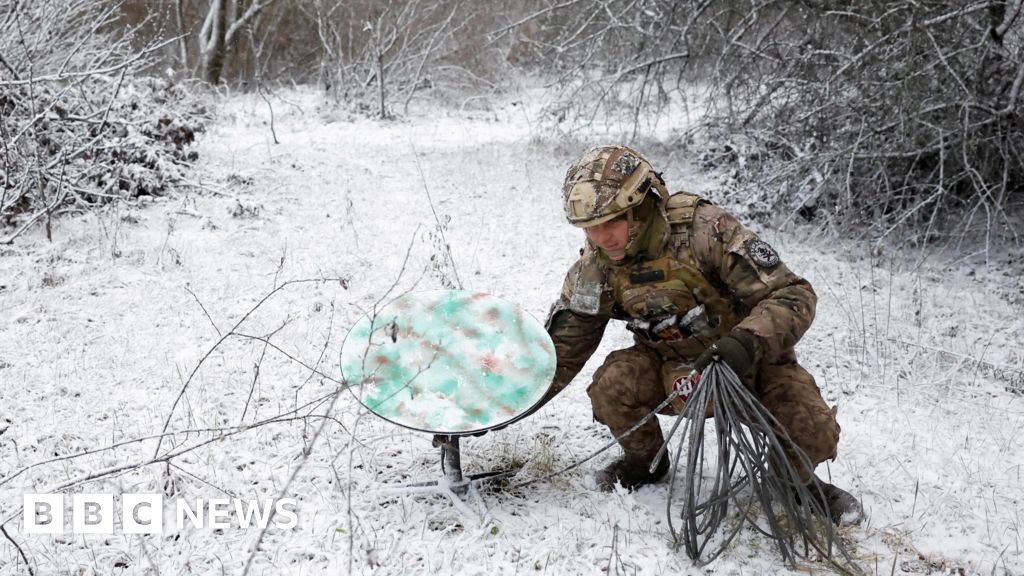
Ukraine war: Elon Musk praised after restricting Russian Starlink useImage Credit: BBC News
Key Points
- •LONDON – Elon Musk's SpaceX has successfully clamped down on the illicit use of its Starlink satellite internet service by Russian forces in Ukraine, a move that reasserts a critical technological advantage for Kyiv and marks a significant development in the role of private technology in modern warfare. The action follows weeks of urgent reports from the front lines that Moscow's troops were exploiting the system, eroding an edge Ukraine has held since the war's outset.
- •The Threat to Ukraine: For two years, secure, real-time communications via Starlink gave Ukrainian units a decisive advantage over Russian forces, who often relied on less secure, more easily intercepted channels. Russian adoption of the same technology threatened to level the playing field, making Ukrainian operations more predictable and vulnerable.
- •How Russia Used It: Moscow's troops were leveraging Starlink for basic battlefield communications, coordinating artillery strikes, and operating their own reconnaissance drones—mirroring the very tactics that have made Ukrainian forces so effective.
- •Crimea Controversy: In 2022, Musk admitted to denying a Ukrainian request to extend Starlink coverage to the port city of Sevastopol in occupied Crimea. The goal was a Ukrainian drone attack on Russia's Black Sea Fleet, but Musk refused, fearing that SpaceX would be "explicitly complicit in a major act of war and conflict escalation."
- •Funding Disputes: Tensions also arose over the cost of providing the service, with Musk at one point stating SpaceX could no longer afford to fund the critical infrastructure in Ukraine indefinitely. The situation was eventually resolved when the U.S. Department of Defense stepped in with a formal contract to procure Starlink services for the Ukrainian military.
Ukraine war: Elon Musk praised after restricting Russian Starlink use
LONDON – Elon Musk's SpaceX has successfully clamped down on the illicit use of its Starlink satellite internet service by Russian forces in Ukraine, a move that reasserts a critical technological advantage for Kyiv and marks a significant development in the role of private technology in modern warfare. The action follows weeks of urgent reports from the front lines that Moscow's troops were exploiting the system, eroding an edge Ukraine has held since the war's outset.
In a concise statement on the social media platform X, Musk confirmed the company's intervention. "Looks like the steps we took to stop the unauthorised use of Starlink by Russia have worked," he wrote, adding an invitation for further vigilance: "Let us know if more needs to be done."
The announcement was met with cautious optimism from Ukrainian officials and military analysts, who have long relied on Starlink as an indispensable tool for communication, drone operations, and command and control. The move helps restore a degree of battlefield integrity and highlights the immense, and often complex, power wielded by a single commercial entity in a global conflict.
The Illicit Network
The problem emerged earlier this year as Ukrainian intelligence and frontline soldiers began reporting the widespread appearance of Starlink terminals in Russian-occupied territories. This unauthorized usage posed a direct threat to Ukraine's operational security.
Russian forces were not acquiring the terminals directly from SpaceX. Instead, a black market network had developed, allowing Russia to procure the devices through intermediaries in third countries, reportedly including Dubai and nations in Central Asia, and then smuggle them to the front.
-
The Threat to Ukraine: For two years, secure, real-time communications via Starlink gave Ukrainian units a decisive advantage over Russian forces, who often relied on less secure, more easily intercepted channels. Russian adoption of the same technology threatened to level the playing field, making Ukrainian operations more predictable and vulnerable.
-
How Russia Used It: Moscow's troops were leveraging Starlink for basic battlefield communications, coordinating artillery strikes, and operating their own reconnaissance drones—mirroring the very tactics that have made Ukrainian forces so effective.
A Complex Relationship
Starlink's role in the Ukraine conflict has been both heroic and controversial, positioning Elon Musk as one of the most pivotal, and unpredictable, figures in the war.
From the first days of the full-scale invasion, when Russian cyberattacks crippled Ukraine's conventional communications, SpaceX's rapid deployment of thousands of Starlink terminals was hailed as a lifeline. It kept the government and military online, enabling a resilient defense against a larger invading force.
However, the relationship has been fraught with tension, underscoring the unprecedented dilemma of a private CEO holding veto power over a sovereign nation's military operations.
-
Crimea Controversy: In 2022, Musk admitted to denying a Ukrainian request to extend Starlink coverage to the port city of Sevastopol in occupied Crimea. The goal was a Ukrainian drone attack on Russia's Black Sea Fleet, but Musk refused, fearing that SpaceX would be "explicitly complicit in a major act of war and conflict escalation."
-
Funding Disputes: Tensions also arose over the cost of providing the service, with Musk at one point stating SpaceX could no longer afford to fund the critical infrastructure in Ukraine indefinitely. The situation was eventually resolved when the U.S. Department of Defense stepped in with a formal contract to procure Starlink services for the Ukrainian military.
The Technical Fix and Its Implications
SpaceX's ability to shut down the illicit Russian terminals demonstrates the powerful control it maintains over its global network. The primary method for controlling access is geofencing—the ability to activate or deactivate service within precise geographical boundaries.
Methods of Control
-
Geofencing: SpaceX can draw digital perimeters on a map, disabling any terminal that operates outside of approved zones. The challenge on a fluid battlefield is that front lines shift daily, requiring constant updates to avoid inadvertently cutting off service to Ukrainian units.
-
Account Deactivation: The company can identify and shut down accounts associated with terminals being used in unauthorized areas or those purchased through illicit channels. This requires sophisticated tracking of device locations and procurement data.
-
Cooperation with Kyiv: Musk's public request for feedback suggests an enhanced, direct line of communication with Ukrainian authorities to rapidly identify and neutralize rogue terminals as they appear, creating a dynamic cat-and-mouse game with Russian procurement efforts.
The Road Ahead
While the recent crackdown is a significant victory for Ukraine, the situation remains fluid. Russia will almost certainly seek new workarounds, testing the resilience and responsiveness of SpaceX's countermeasures.
The episode serves as a powerful case study in the blurring lines between technology, business, and 21st-century warfare. Starlink's dominance in the satellite internet market gives SpaceX a quasi-governmental level of influence. This action, praised by Kyiv and its allies, helps repair some of the reputational damage from past controversies and aligns the company more clearly with Western security interests.
For global policymakers and defense ministries, it raises fundamental questions about the reliance on private infrastructure for national security. As technology outpaces regulation, the world is grappling in real-time with how to manage private companies that can, with the flip of a switch, alter the course of a war.
Source: BBC News
Related Articles
Nationwide Protests Against ICE Enforcement Erupt in U.S.
Thousands are protesting ICE after the DOJ declined to investigate a fatal agent-involved shooting in Minneapolis, fueling a national movement and public anger.
Venezuela Amnesty Bill Could Free Political Prisoners
Learn about Venezuela's proposed amnesty bill to release political prisoners. The move could signal a major political shift and affect future economic sanctions
Pokémon Cancels Yasukuni Shrine Event After Backlash
The Pokémon Company has canceled an event at Tokyo's controversial Yasukuni Shrine after facing international backlash from China and South Korea.
US to Lose Measles Elimination Status: What It Means
The U.S. is poised to lose its measles elimination status due to escalating outbreaks. Learn what this downgrade means for public health and the economy.