US-Iran Talks Begin Amid Fears of Direct Military Conflict
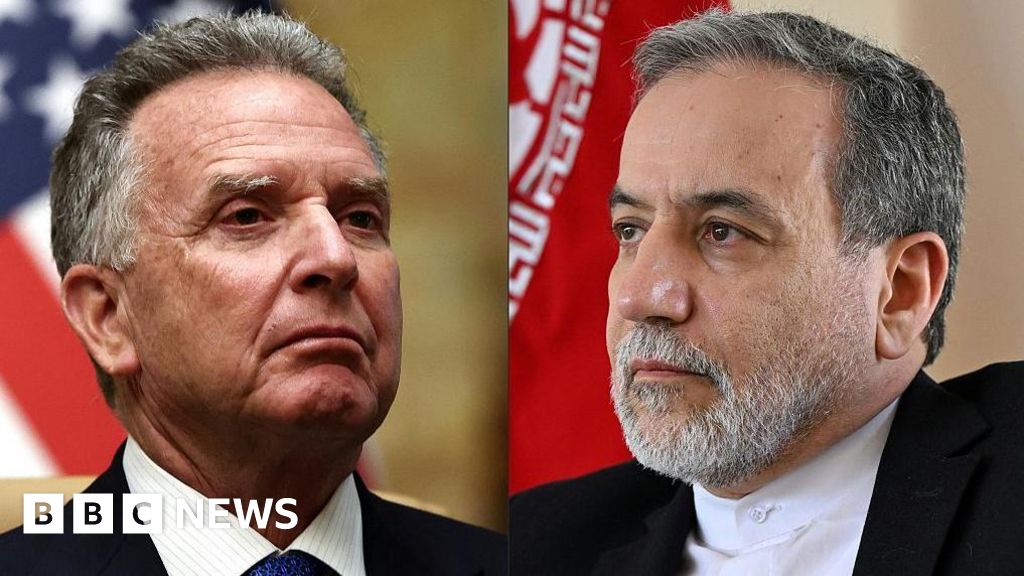
US and Iran talks to begin as fears of direct conflict continueImage Credit: BBC News
Key Points
- •LONDON – Washington and Tehran are set to engage in a new round of indirect talks, senior officials confirm, in a high-stakes diplomatic effort to de-escalate soaring Middle East tensions that threaten to boil over into a direct military confrontation. The discussions come against a volatile backdrop of regional attacks by Iranian-backed proxies and retaliatory US military strikes, a cycle that has rattled global energy markets and raised the specter of a wider war.
- •United States' Aims: The primary US objective is to compel Iran to rein in its proxy forces. Washington wants a definitive end to attacks on US military personnel and commercial shipping in the Red Sea, which have disrupted global trade. A secondary goal is to ensure Iran's nuclear program does not advance further toward weaponization.
- •Iran's Aims: Tehran's foremost demand is relief from crippling US economic sanctions. The "maximum pressure" campaign has devastated the Iranian economy, and any deal would need to include a pathway to unfreezing assets and easing restrictions on its oil exports. Iran also seeks security assurances and a halt to US military actions in the region.
- •Global Reliance: Approximately 21 million barrels of oil per day, or about 21% of global petroleum liquids consumption, pass through the strait. Any military conflict that threatens or closes this artery would trigger a severe energy crisis.
- •Market Reaction: A disruption in the Strait of Hormuz would cause oil prices to skyrocket, potentially pushing Brent crude well past $150 per barrel. Such a spike would fuel global inflation, increase recessionary risks, and hammer energy-importing nations.
US and Iran talks to begin as fears of direct conflict continue
LONDON – Washington and Tehran are set to engage in a new round of indirect talks, senior officials confirm, in a high-stakes diplomatic effort to de-escalate soaring Middle East tensions that threaten to boil over into a direct military confrontation. The discussions come against a volatile backdrop of regional attacks by Iranian-backed proxies and retaliatory US military strikes, a cycle that has rattled global energy markets and raised the specter of a wider war.
The primary goal of the talks is not a grand bargain or a revival of the defunct 2015 nuclear deal, but a more immediate and pragmatic objective: to pull both nations back from the brink. The urgency follows a deadly drone attack by an Iraqi militia that killed three US soldiers in Jordan, prompting a wave of American airstrikes in Iraq and Syria.
The Big Picture: A Path to De-escalation
Both the United States and Iran have publicly stated they do not seek a direct war. However, the escalating tit-for-tat violence involving Iran's network of regional proxies—including Hezbollah in Lebanon, militias in Iraq and Syria, and the Houthis in Yemen—has severely tested this resolve.
These new talks represent a critical attempt to establish clear red lines and create an off-ramp from the current trajectory. The discussions are expected to be held indirectly, likely through intermediaries in Oman or Qatar, a method used in previous rounds of engagement.
A Cautious Approach
Expectations for a major breakthrough are being deliberately tempered. A senior administration official, speaking on the condition of anonymity to discuss the sensitive matter, conveyed deep skepticism about the prospects for a comprehensive agreement, framing the effort as a necessary exploration of possibilities.
"I'm not sure you can reach a deal with these guys, but we're going to try to find out," the official stated. "We don't see there's any harm in trying to figure out if there's something that can be done."
This sentiment underscores the administration's pragmatic, if pessimistic, view. The focus is less on trust and more on transactional de-escalation, where actions, not words, will be the measure of success.
Key Objectives for the Talks
The immediate goals for each side are distinct yet interconnected, revolving around security and economic stability.
-
United States' Aims: The primary US objective is to compel Iran to rein in its proxy forces. Washington wants a definitive end to attacks on US military personnel and commercial shipping in the Red Sea, which have disrupted global trade. A secondary goal is to ensure Iran's nuclear program does not advance further toward weaponization.
-
Iran's Aims: Tehran's foremost demand is relief from crippling US economic sanctions. The "maximum pressure" campaign has devastated the Iranian economy, and any deal would need to include a pathway to unfreezing assets and easing restrictions on its oil exports. Iran also seeks security assurances and a halt to US military actions in the region.
High-Stakes Economic Backdrop
For global markets, the outcome of these talks carries immense financial weight. The Middle East's stability is directly linked to the health of the world economy, primarily through energy prices and global trade routes.
The Oil Chokepoint
The Strait of Hormuz, a narrow waterway separating Iran from the Arabian Peninsula, remains the world's most critical oil transit chokepoint.
-
Global Reliance: Approximately 21 million barrels of oil per day, or about 21% of global petroleum liquids consumption, pass through the strait. Any military conflict that threatens or closes this artery would trigger a severe energy crisis.
-
Market Reaction: A disruption in the Strait of Hormuz would cause oil prices to skyrocket, potentially pushing Brent crude well past $150 per barrel. Such a spike would fuel global inflation, increase recessionary risks, and hammer energy-importing nations.
Global Supply Chains Under Threat
The recent attacks by Yemen's Houthi movement on commercial vessels in the Red Sea have already demonstrated the fragility of global supply chains.
-
Trade Disruption: The Red Sea and the Suez Canal handle roughly 12% of global trade. Houthi attacks have forced major shipping lines like Maersk, Hapag-Lloyd, and MSC to reroute vessels around the Cape of Good Hope in Africa, adding 10-14 days and millions of dollars in fuel and insurance costs to each voyage.
-
Inflationary Pressure: These higher shipping costs are passed on to consumers, creating upward pressure on inflation for goods ranging from electronics to apparel, just as central banks were beginning to get price levels under control.
Historical Context: The Ghost of the JCPOA
The current tensions are deeply rooted in the collapse of the 2015 Iran nuclear deal, formally known as the Joint Comprehensive Plan of Action (JCPOA).
That landmark agreement placed significant, verifiable limits on Iran's nuclear program in exchange for the lifting of international sanctions. However, the deal's unraveling has led to the current state of heightened distrust and military posturing.
From Deal to Distrust
-
2015: The JCPOA is signed between Iran and the P5+1 (China, France, Russia, the UK, the US, plus Germany). Iran curtails its nuclear enrichment activities.
-
2018: The U.S. unilaterally withdraws from the JCPOA under the Trump administration, re-imposing sweeping sanctions as part of a "maximum pressure" campaign designed to cripple the Iranian economy.
-
2019-Present: In response, Iran gradually abandons its commitments under the deal, restarting and accelerating its uranium enrichment to levels far beyond the JCPOA's limits. This has significantly reduced its "breakout time"—the time needed to produce enough fissile material for a nuclear weapon.
What to Watch
As the indirect talks commence, markets and geopolitical analysts will be watching for specific signals that could indicate progress or failure. The initial phase is likely to be defined by small, confidence-building measures rather than sweeping declarations.
Market and Diplomatic Indicators
-
Proxy Activity: A noticeable decrease in attacks by Iranian-backed militias in Iraq, Syria, and the Red Sea would be the first and most crucial sign that Tehran is taking the talks seriously.
-
Oil Prices: Markets will react instantly to any news, positive or negative. Volatility in Brent crude futures will serve as a key barometer of market perception of the conflict risk.
-
Official Rhetoric: Watch for any softening of public language from Washington or Tehran. A reduction in inflammatory statements would suggest a mutual desire to lower the temperature.
-
Sanctions Waivers: Any move by the U.S. to issue limited sanctions waivers, perhaps allowing a country like South Korea or Japan to access frozen Iranian funds for humanitarian trade, would be a significant carrot and a sign of good-faith negotiation.
For now, the path forward is fraught with difficulty. But in a region on a knife's edge, the decision to talk represents a flicker of hope that diplomacy can yet avert a catastrophic and costly conflict.
Source: BBC News
Related Articles
Nationwide Protests Against ICE Enforcement Erupt in U.S.
Thousands are protesting ICE after the DOJ declined to investigate a fatal agent-involved shooting in Minneapolis, fueling a national movement and public anger.
Venezuela Amnesty Bill Could Free Political Prisoners
Learn about Venezuela's proposed amnesty bill to release political prisoners. The move could signal a major political shift and affect future economic sanctions
Pokémon Cancels Yasukuni Shrine Event After Backlash
The Pokémon Company has canceled an event at Tokyo's controversial Yasukuni Shrine after facing international backlash from China and South Korea.
US to Lose Measles Elimination Status: What It Means
The U.S. is poised to lose its measles elimination status due to escalating outbreaks. Learn what this downgrade means for public health and the economy.