US, Russia to Resume Military Contact for De-escalation
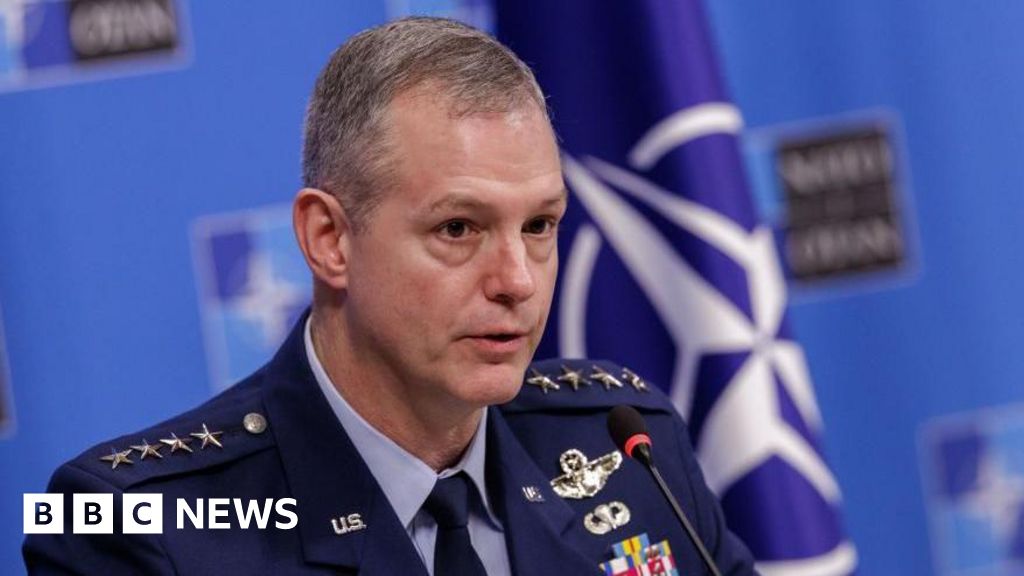
US and Russia agree to resume regular military contactImage Credit: BBC News
Key Points
- •The Core Agreement: According to preliminary reports, the deal focuses on re-establishing deconfliction lines and potentially observing key terms of the New START treaty, the last remaining nuclear arms control pact between the two nations, which Russia suspended in February 2023.
- •Geopolitical De-escalation: The primary significance is risk reduction. By reopening channels, both sides aim to prevent accidental clashes and manage potential crises before they escalate, providing a floor under the deteriorating relationship.
- •Abu Dhabi's Role: The choice of the UAE's capital as the negotiation venue is telling. The Gulf nation has carefully cultivated a role as a neutral intermediary, previously facilitating high-stakes prisoner exchanges, including the swap for WNBA star Brittney Griner. This success cements its status as a key backchannel.
- •Market Sentiment: The immediate market reaction is one of relief. Any development that lowers the perceived risk of a direct NATO-Russia conflict is a net positive for investor sentiment, potentially easing pressure on energy prices and boosting risk-on assets.
- •Oil Prices: Brent and WTI crude futures may see downward pressure. A reduction in the risk of a wider conflict that could disrupt Middle Eastern supply routes or Russian exports (beyond current sanctions) allows traders to focus more on fundamental supply-and-demand metrics.
US and Russia Agree to Resume Regular Military Contact
A nascent diplomatic thaw between Washington and Moscow, reportedly brokered in the United Arab Emirates, is poised to inject a dose of cautious optimism into global markets. The two nuclear powers have agreed to resume regular military-to-military communication, a critical de-escalation mechanism that has been largely dormant since the full-scale invasion of Ukraine in 2022.
The breakthrough, first reported by the Axios news service, emerged from covert negotiations held in Abu Dhabi over the past 24 hours. While official confirmation from the White House and the Kremlin remains pending, the development signals a significant, if tentative, step back from the brink of direct confrontation and could recalibrate the geopolitical risk premium that has weighed on global assets.
The Big Picture
This agreement is more than a procedural handshake; it's a foundational move to restore guardrails between two adversarial powers. The lack of reliable, senior-level military contact has been a source of profound anxiety for Pentagon officials and market strategists alike, who feared that a miscalculation, particularly in crowded airspace over Syria or the Black Sea, could spiral into a wider conflict.
-
The Core Agreement: According to preliminary reports, the deal focuses on re-establishing deconfliction lines and potentially observing key terms of the New START treaty, the last remaining nuclear arms control pact between the two nations, which Russia suspended in February 2023.
-
Geopolitical De-escalation: The primary significance is risk reduction. By reopening channels, both sides aim to prevent accidental clashes and manage potential crises before they escalate, providing a floor under the deteriorating relationship.
-
Abu Dhabi's Role: The choice of the UAE's capital as the negotiation venue is telling. The Gulf nation has carefully cultivated a role as a neutral intermediary, previously facilitating high-stakes prisoner exchanges, including the swap for WNBA star Brittney Griner. This success cements its status as a key backchannel.
-
Market Sentiment: The immediate market reaction is one of relief. Any development that lowers the perceived risk of a direct NATO-Russia conflict is a net positive for investor sentiment, potentially easing pressure on energy prices and boosting risk-on assets.
Context: The Breakdown of Communication
To understand the weight of this news, it's crucial to recall the deep freeze in relations. Following Russia's 2022 invasion of Ukraine, diplomatic and military contacts were systematically severed.
High-level calls between U.S. Secretary of Defense Lloyd Austin and his Russian counterpart, Sergei Shoigu, became exceedingly rare and reportedly tense. The most significant flashpoint was Russia's suspension of its participation in the New START treaty, a move that dismantled the architecture of nuclear transparency and verification built over decades.
This communication vacuum raised the stakes of every near-miss incident, from Russian fighter jets harassing U.S. drones over the Black Sea to close encounters between naval vessels. The absence of a reliable hotline meant that a tactical error could have strategic, and potentially catastrophic, consequences.
Financial and Economic Implications
As a financial correspondent, the key question is how this translates into market movements and economic forecasts. The impact is felt across several key sectors.
Energy Markets
The "war premium" embedded in oil and natural gas prices is the first to be tested. While factors like OPEC+ supply cuts and global demand remain the primary drivers, geopolitical risk adds a significant, volatile layer to pricing.
-
Oil Prices: Brent and WTI crude futures may see downward pressure. A reduction in the risk of a wider conflict that could disrupt Middle Eastern supply routes or Russian exports (beyond current sanctions) allows traders to focus more on fundamental supply-and-demand metrics.
-
Natural Gas: European natural gas prices, which have been extremely sensitive to any news related to the conflict, could also find some relief. The agreement, while not directly related to gas flows, lowers the overall temperature and reduces the odds of further energy-related escalations.
Defense and Aerospace Sector
Defense stocks have been a standout sector since 2022, rallying on increased NATO military spending and direct aid to Ukraine. A move toward de-escalation could introduce a near-term headwind.
-
Stock Performance: Companies like Lockheed Martin (LMT), Northrop Grumman (NOC), and Raytheon (RTX) may face profit-taking from investors who believe the peak of geopolitical tension—and thus the peak catalyst for defense spending—may have passed.
-
Long-Term Outlook: However, the long-term outlook for the sector remains robust. The fundamental shift in European security posture and a sustained commitment to higher defense budgets are structural trends that are unlikely to be reversed by this single agreement.
Global Indices and Currencies
Broader markets will interpret this news through the lens of risk appetite.
-
Equities: A reduction in geopolitical tail risk is generally bullish for global equities. Indices like the S&P 500, Germany's DAX, and the FTSE 100 could see a lift as investors feel more confident deploying capital.
-
Currencies: The U.S. dollar, often a safe-haven asset during times of global turmoil, could see some modest weakening. Conversely, risk-sensitive currencies and the euro may strengthen on the improved outlook for European stability.
What Comes Next
The path forward is laden with caveats. This is a fragile beginning, not a comprehensive peace settlement. The war in Ukraine continues unabated, and the deep chasm of mistrust between Washington and Moscow will take years, if not decades, to bridge.
Investors and policymakers will be watching for several key signposts in the coming days and weeks:
-
Official Confirmation: Statements from the Pentagon, the U.S. State Department, and the Russian Ministry of Defence will be scrutinized for details, tone, and any discrepancies.
-
Scope of the Deal: The market needs clarity on whether this agreement includes concrete steps toward reviving New START inspections or is limited to basic military deconfliction.
-
The First Meeting: The scheduling and outcome of the first formal meeting under this new framework will be a critical test of its durability.
For now, the agreement reported out of Abu Dhabi serves as a crucial firebreak. It acknowledges that even in an era of intense competition and proxy conflict, direct communication between the world's two largest nuclear arsenals is not a luxury, but a necessity for global financial and strategic stability.
Source: BBC News
Related Articles
Nationwide Protests Against ICE Enforcement Erupt in U.S.
Thousands are protesting ICE after the DOJ declined to investigate a fatal agent-involved shooting in Minneapolis, fueling a national movement and public anger.
Venezuela Amnesty Bill Could Free Political Prisoners
Learn about Venezuela's proposed amnesty bill to release political prisoners. The move could signal a major political shift and affect future economic sanctions
Pokémon Cancels Yasukuni Shrine Event After Backlash
The Pokémon Company has canceled an event at Tokyo's controversial Yasukuni Shrine after facing international backlash from China and South Korea.
US to Lose Measles Elimination Status: What It Means
The U.S. is poised to lose its measles elimination status due to escalating outbreaks. Learn what this downgrade means for public health and the economy.