Venezuela's Oil vs. Iraq's: Lessons from US Intervention
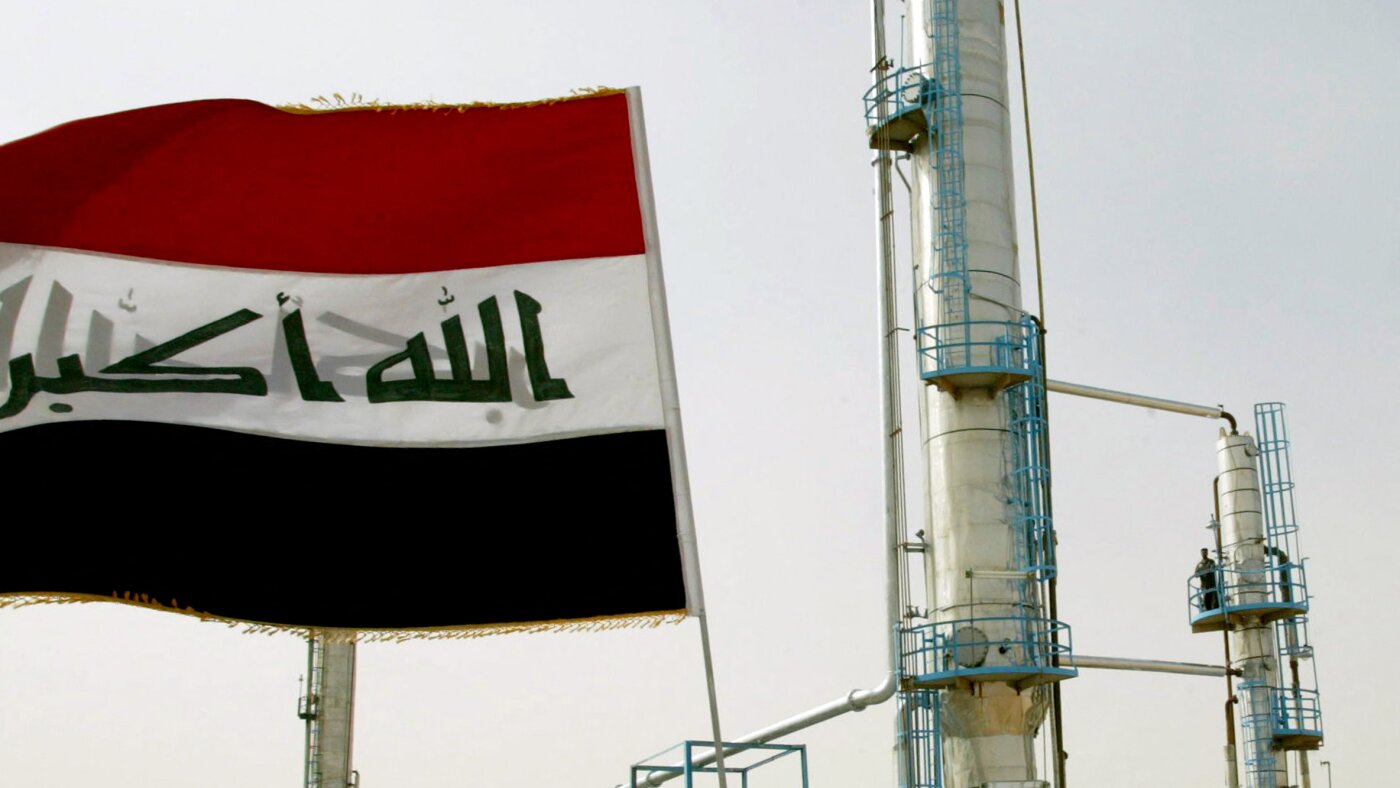
As Trump pushes for Venezuela's oil, here's what to know about the U.S. and Iraq's oilImage Credit: NPR Politics
Key Points
- •**WASHINGTON — The recent U.S.-backed ouster of Venezuelan leader Nicolás Maduro has thrust the nation's vast oil reserves into the global spotlight, drawing stark comparisons to the American intervention in Iraq two decades ago. As the Trump administration moves to control and monetize Venezuelan crude, financial analysts and energy experts are cautioning that the lessons from Iraq—from revenue management to corporate risk aversion—offer a critical, and cautionary, road map for what lies ahead.
- •Iraq's Framework: Following the 2003 invasion, the U.S. and the United Nations established the Development Fund for Iraq to manage the country's oil revenues. The process included an independent auditor, the International Advisory and Monitoring Board, to track the flow of money and provide a layer of public accountability.
- •Venezuela's Approach: The U.S. has so far acted alone. The U.S. military has seized at least seven Venezuelan oil tankers, and the crude is being sold through two Swiss-based oil trading firms. According to public records and reports, both firms have previously pleaded guilty to international bribery and corruption charges, raising concerns among oil lawyers and analysts who spoke to NPR.
- •The Iraq Precedent: After 2003, some in the Bush administration pushed to privatize Iraq's national oil companies. However, the U.S.-appointed advisor to the Iraqi Oil Ministry, former Shell Oil CEO Philip Carroll, flatly rejected the idea. "I was very clear that there was to be no privatization of Iraqi oil resources or facilities while I was involved," Carroll said in a 2005 interview.
- •Risk Outweighs Reward: When Iraq put some of the world's largest oil fields up for auction in 2009, most major U.S. oil companies abstained. The combination of a violent insurgency, decrepit infrastructure, and profound political instability made the financial rewards seem insufficient to justify the enormous risks.
As Trump Pushes for Venezuela's Oil, Here's What to Know About the U.S. and Iraq's Oil
WASHINGTON — The recent U.S.-backed ouster of Venezuelan leader Nicolás Maduro has thrust the nation's vast oil reserves into the global spotlight, drawing stark comparisons to the American intervention in Iraq two decades ago. As the Trump administration moves to control and monetize Venezuelan crude, financial analysts and energy experts are cautioning that the lessons from Iraq—from revenue management to corporate risk aversion—offer a critical, and cautionary, road map for what lies ahead.
The parallels are immediate. "A fairly rapid change of a head of state prompted by U.S. military forces is always going to bring back memories of Iraq in one way or another," notes Raad Alkadiri, a managing partner at political risk consultancy 3TEN32 Associates, who was based in Iraq following the 2003 invasion.
But below the surface, the administration's strategy for Venezuela's oil sector marks a significant departure from the Iraq playbook, raising fundamental questions about legality, transparency, and the long-term viability of rebuilding a shattered industry.
A Tale of Two Management Models
The primary divergence lies in how the oil revenues are being handled. The post-Saddam Iraq model, while fraught with its own challenges, was built on a foundation of international oversight. In contrast, the current approach in Venezuela is a unilateral U.S. effort marked by what critics call a troubling lack of transparency.
-
Iraq's Framework: Following the 2003 invasion, the U.S. and the United Nations established the Development Fund for Iraq to manage the country's oil revenues. The process included an independent auditor, the International Advisory and Monitoring Board, to track the flow of money and provide a layer of public accountability.
-
Venezuela's Approach: The U.S. has so far acted alone. The U.S. military has seized at least seven Venezuelan oil tankers, and the crude is being sold through two Swiss-based oil trading firms. According to public records and reports, both firms have previously pleaded guilty to international bribery and corruption charges, raising concerns among oil lawyers and analysts who spoke to NPR.
The White House defends its actions as a pragmatic necessity. "This was a historic deal President Trump brokered with the Venezuelan interim authorities that benefits both the American people and the Venezuelan people," spokesperson Taylor Rogers wrote in an email.
At a Senate hearing last week, Senator Marco Rubio characterized the arrangement as a temporary measure. "The long-term plan is not those two trading companies," he stated. "The long-term plan is for them to have a normal energy program that sells directly into the market."
The Corporate Conundrum: Government Ambition vs. Investor Reality
While the administration is eager for American energy giants to re-enter Venezuela and revitalize its dilapidated oil fields, the industry itself remains deeply skeptical. This disconnect between government ambition and corporate reality is a direct echo of the challenges faced in post-invasion Iraq.
President Trump has made his goals clear. In a January meeting at the White House, he told oil executives they would go into Venezuela and "increase oil production to levels never ever seen before."
The response, however, was lukewarm. ExxonMobil CEO Darren Woods reportedly told the president that his company could only consider reinvesting if robust new investment protections and legal structures were in place. Until then, Woods deemed the country "uninvestable."
This sentiment is familiar to observers of Iraq.
-
The Iraq Precedent: After 2003, some in the Bush administration pushed to privatize Iraq's national oil companies. However, the U.S.-appointed advisor to the Iraqi Oil Ministry, former Shell Oil CEO Philip Carroll, flatly rejected the idea. "I was very clear that there was to be no privatization of Iraqi oil resources or facilities while I was involved," Carroll said in a 2005 interview.
-
Risk Outweighs Reward: When Iraq put some of the world's largest oil fields up for auction in 2009, most major U.S. oil companies abstained. The combination of a violent insurgency, decrepit infrastructure, and profound political instability made the financial rewards seem insufficient to justify the enormous risks.
The same calculus is now being applied to Venezuela. "Last time in Iraq, this time in Venezuela, [oil companies] are saying 'Show me whether you can create a stable level playing field that we can really do business in,'" says Fareed Mohamedi, a managing director at consultancy SIA-Energy International.
Playing the Long Game
Despite the widespread caution, a few companies have historically bet on high-risk, high-reward scenarios by maintaining a presence through turmoil. Their strategies in Iraq and Venezuela provide a playbook for navigating geopolitical minefields.
-
ExxonMobil in Iraq: While many U.S. peers stayed away, ExxonMobil was a notable exception, signing contracts in Iraq in 2009. "They had a theory of getting in on the ground floor," explains Ben Van Heuvelen, editor in chief of the Iraq Oil Report, positioning themselves for future gains once stability improved.
-
Chevron in Venezuela: Similarly, Chevron is the only major U.S. oil and gas corporation currently operating in Venezuela. It remained after rivals like ExxonMobil and ConocoPhillips left around 2007 when then-President Hugo Chávez imposed harsh new contract terms. As analysts note, Chevron "played the long game" and is now uniquely positioned, holding talks with both U.S. and Venezuelan officials about boosting the country's oil output.
The Path Forward
The future of Venezuela's oil sector hinges on whether the U.S. and the country's interim government can build a framework that attracts the massive, long-term capital required for its reconstruction. The lessons from Iraq are clear: regime change is only the first step.
Without a transparent, internationally credible system for managing revenue and a stable legal environment that protects foreign investment, the administration's vision of a rejuvenated Venezuelan oil industry powered by U.S. firms is unlikely to materialize.
While "long game" players like Chevron may secure an early advantage, the broader revitalization depends on convincing a risk-averse industry that Venezuela is no longer "uninvestable." For now, the opacity of the current U.S. strategy and the immense on-the-ground challenges suggest that, like in Iraq, the road to recovery will be long and uncertain.
Source: NPR Politics
Related Articles
Nationwide Protests Against ICE Enforcement Erupt in U.S.
Thousands are protesting ICE after the DOJ declined to investigate a fatal agent-involved shooting in Minneapolis, fueling a national movement and public anger.
Venezuela Amnesty Bill Could Free Political Prisoners
Learn about Venezuela's proposed amnesty bill to release political prisoners. The move could signal a major political shift and affect future economic sanctions
Pokémon Cancels Yasukuni Shrine Event After Backlash
The Pokémon Company has canceled an event at Tokyo's controversial Yasukuni Shrine after facing international backlash from China and South Korea.
US to Lose Measles Elimination Status: What It Means
The U.S. is poised to lose its measles elimination status due to escalating outbreaks. Learn what this downgrade means for public health and the economy.