Warren Buffett steps down as Berkshire Hathaway chairman
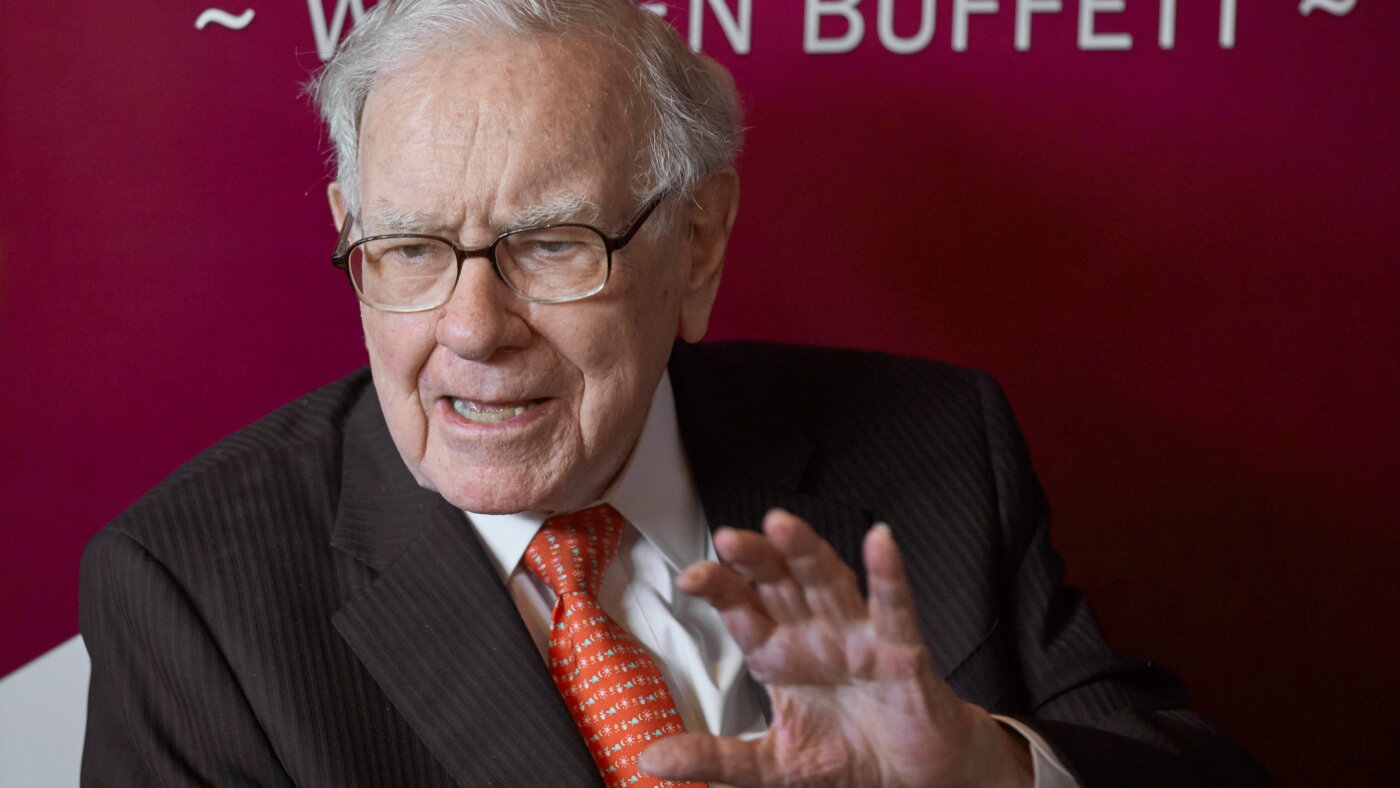
Warren Buffett steps down as Berkshire Hathaway chairmanImage Credit: NPR News
Key Points
- •OMAHA, NEBRASKA – In a move that marks the formal end of an unparalleled era in American business, Warren Buffett is stepping down as chairman of Berkshire Hathaway, the conglomerate he molded from a failing textile mill into a global investment powerhouse. The transition, announced Friday, completes a meticulously planned succession that has been decades in the making.
- •The Operational Chief: Greg Abel, as CEO, is the ultimate authority on operations and capital allocation for Berkshire's vast array of non-insurance businesses, including BNSF Railway and Berkshire Hathaway Energy.
- •The Insurance Guru: Vice Chairman Ajit Jain continues to lead Berkshire's massive insurance and reinsurance operations, the original engine of the company's growth.
- •The Cultural Guardian: Howard Buffett's new role as chairman is explicitly to preserve the unique, decentralized corporate culture that has been the bedrock of Berkshire's success. He is not expected to be involved in day-to-day investment or operational decisions.
- •The Investment Managers: Todd Combs and Ted Weschler, Buffett's handpicked investment deputies, will continue to manage increasingly large portions of Berkshire's enormous stock portfolio, a responsibility they have held for over a decade.
Warren Buffett steps down as Berkshire Hathaway chairman
OMAHA, NEBRASKA – In a move that marks the formal end of an unparalleled era in American business, Warren Buffett is stepping down as chairman of Berkshire Hathaway, the conglomerate he molded from a failing textile mill into a global investment powerhouse. The transition, announced Friday, completes a meticulously planned succession that has been decades in the making.
The 96-year-old investing legend, known globally as the "Oracle of Omaha," will assume the newly created role of chairman emeritus. While he will remain on the board of directors, the change formally passes the stewardship of the company's culture and long-term vision to the next generation.
His eldest son, Howard G. Buffett, 69, will become the new non-executive chairman, effective immediately. This move follows Warren Buffett’s decision to step down as CEO late last year, a role now held by his designated successor, Greg Abel.
"Warren's impact on Berkshire and its owners is without parallel in the history of American business," said Abel, who oversees all of Berkshire's non-insurance operations. "The culture Warren built and the values he championed will remain at the heart of Berkshire, and Howard will be their guardian."
A Carefully Orchestrated Transition
For years, the most pressing question for investors was "What happens to Berkshire after Buffett?" Friday's announcement is the definitive answer, cementing a leadership structure designed to divide Buffett's monumental responsibilities among a team of trusted executives.
The succession is not a single replacement but a division of labor, a strategy Buffett himself outlined in his annual letters to shareholders.
- The Operational Chief: Greg Abel, as CEO, is the ultimate authority on operations and capital allocation for Berkshire's vast array of non-insurance businesses, including BNSF Railway and Berkshire Hathaway Energy.
- The Insurance Guru: Vice Chairman Ajit Jain continues to lead Berkshire's massive insurance and reinsurance operations, the original engine of the company's growth.
- The Cultural Guardian: Howard Buffett's new role as chairman is explicitly to preserve the unique, decentralized corporate culture that has been the bedrock of Berkshire's success. He is not expected to be involved in day-to-day investment or operational decisions.
- The Investment Managers: Todd Combs and Ted Weschler, Buffett's handpicked investment deputies, will continue to manage increasingly large portions of Berkshire's enormous stock portfolio, a responsibility they have held for over a decade.
The Buffett Legacy
Warren Buffett’s tenure as chairman, which began in 1970, is one of the most storied in corporate history. He took control of Berkshire Hathaway in 1965 and, realizing the textile business was doomed, began using its cash flow to invest in other businesses, starting with insurance companies like National Indemnity.
This strategy laid the foundation for his value investing philosophy: buying wonderful companies at fair prices and holding them for the long term.
His leadership transformed Berkshire into a holding company with a market capitalization exceeding $800 billion and a sprawling portfolio of wholly-owned businesses and significant public stock positions.
- Key Holdings: Berkshire’s empire includes wholly-owned giants like GEICO, Duracell, Dairy Queen, and See's Candies, alongside massive equity stakes in companies such as Apple, Bank of America, Coca-Cola, and American Express.
- A Unique Culture: Buffett fostered a hands-off, trust-based approach, allowing the CEOs of subsidiary companies to operate with near-total autonomy. This decentralized model attracted entrepreneurs who wanted to sell their businesses without ceding operational control to a typical corporate parent.
- The Annual Meeting: Under Buffett, the Berkshire Hathaway annual shareholder meeting became a global pilgrimage for investors, dubbed "Woodstock for Capitalists," where he and his longtime partner Charlie Munger (who passed away in 2023) would spend hours answering shareholder questions with wit and wisdom.
Howard Buffett: Guardian of the Culture
The selection of Howard Buffett as chairman underscores the importance placed on preserving the company's ethos. Unlike a typical corporate chairman, his background is not in finance but in agriculture, philanthropy, and public service. He has served on Berkshire's board since 1993, absorbing its principles directly from his father for over 30 years.
Warren Buffett has previously stated that his son's primary job would be to step in and, if necessary, remove a CEO who threatened to compromise Berkshire's core values of integrity, long-term focus, and shareholder partnership.
- The Mandate: Howard Buffett's role is to act as a check on future leadership, ensuring the company does not deviate from the principles that made it successful. He is the backstop against short-term thinking or reckless risk-taking.
Navigating a Post-Buffett Berkshire
With the succession plan now fully enacted, the new leadership team faces the monumental task of steering the conglomerate into the future without its iconic founder at the helm.
For investors, the transition has been so thoroughly telegraphed that the market reaction is expected to be muted. The key questions now shift from who will lead to how they will lead.
- Capital Allocation: The most significant challenge will be deploying Berkshire's colossal cash pile, which often exceeds $150 billion. Abel will be tasked with finding large, value-accretive acquisitions—the "elephant-sized" deals that Buffett was famous for—in a market with fewer obvious bargains.
- Maintaining the "Berkshire Way": The leadership team must prove it can maintain the culture of trust and autonomy that attracts and retains top-tier managers. Without Buffett's personal magnetism, this will depend on a disciplined adherence to the established system.
- Investment Performance: While Combs and Weschler have solid track records, the market will be watching closely to see if they can collectively match the returns generated by Buffett's legendary acumen over the past half-century.
Warren Buffett's formal step back is a historic moment, but it is not an end. It is the activation of a carefully constructed plan designed to ensure that the house he built endures for generations to come. The "Oracle" may be moving to an emeritus role, but his philosophy remains the company's unshakeable foundation.
Source: NPR News
Related Articles
Nationwide Protests Against ICE Enforcement Erupt in U.S.
Thousands are protesting ICE after the DOJ declined to investigate a fatal agent-involved shooting in Minneapolis, fueling a national movement and public anger.
Venezuela Amnesty Bill Could Free Political Prisoners
Learn about Venezuela's proposed amnesty bill to release political prisoners. The move could signal a major political shift and affect future economic sanctions
Pokémon Cancels Yasukuni Shrine Event After Backlash
The Pokémon Company has canceled an event at Tokyo's controversial Yasukuni Shrine after facing international backlash from China and South Korea.
US to Lose Measles Elimination Status: What It Means
The U.S. is poised to lose its measles elimination status due to escalating outbreaks. Learn what this downgrade means for public health and the economy.