Washington Post Announces Layoffs, Scales Back Coverage
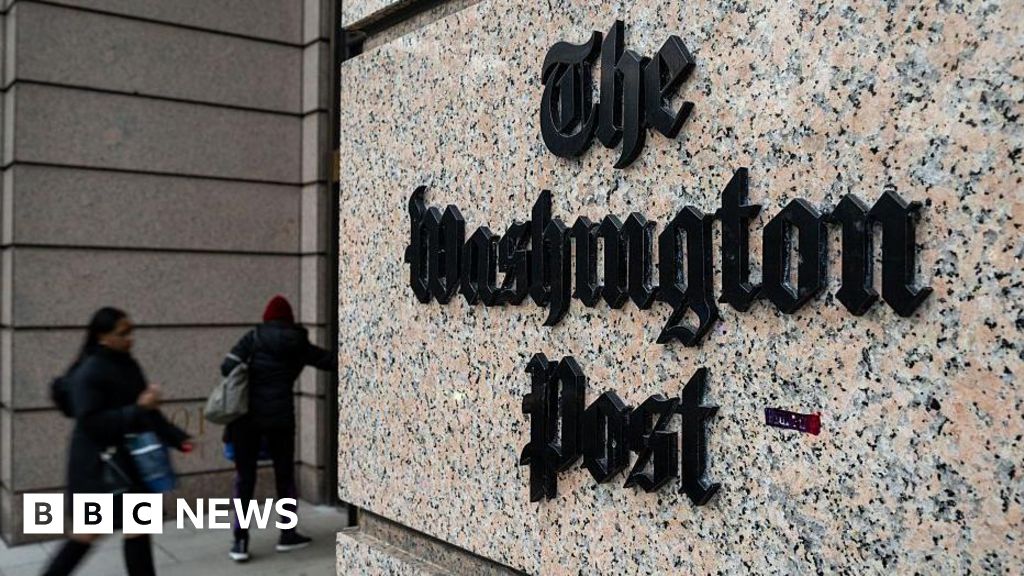
Washington Post announces sweeping layoffs, scaling back news coverageImage Credit: BBC Business (Finance)
Key Points
- •Job Cuts: The company is seeking to eliminate approximately 240 positions through a combination of voluntary buyouts and, if necessary, involuntary layoffs. This represents nearly 10% of the Post's total workforce. The cuts are expected to be felt across the entire organization, including the newsroom, engineering, and operations.
- •Affected Desks: Sources inside the Post indicate that no department is entirely safe. While the core political and investigative teams are expected to be preserved, reductions are anticipated in features, some international bureaus, and service-oriented journalism verticals that have struggled to gain a significant audience.
- •Content Reduction: The paper is "sunsetting" several standalone products and verticals that were launched during its expansionary phase. This includes The Lily, a publication focused on gender and identity, and Launcher, its video game and esports section. The move signals a strategic retreat from niche audiences to focus on the Post's core coverage areas.
- •Slowing Subscriptions: The surge in digital subscribers seen during the Trump presidency has not only stalled but reversed. The Post's digital subscriber base has fallen from a peak of 3 million to under 2.5 million.
- •Advertising Slump: Like the rest of the industry, the Post is facing a brutal digital advertising market, with revenue declining as advertisers pull back spending and shift dollars to tech giants like Google and Meta.
Washington Post announces sweeping layoffs, scaling back news coverage
The Washington Post, a pillar of American journalism for nearly 150 years, announced a significant and painful restructuring on Monday, initiating sweeping layoffs that will eliminate hundreds of jobs and scale back the scope of its news coverage. The move, aimed at staunching severe financial losses, signals a dramatic retrenchment for the storied institution and sends a chilling new signal about the deepening crisis facing the news industry.
The Big Picture
The cuts represent one of the most drastic staff reductions in the newspaper's modern history and mark a pivotal moment for the organization under its new leadership team. While management frames the decision as a necessary step toward long-term stability, it was met with immediate condemnation from the newsroom, with employees and former leaders decrying the move as a devastating blow to the paper's journalistic mission.
This restructuring occurs just months after the arrival of a new publisher and CEO, Will Lewis, and a new executive editor, Matt Murray, who were tasked with reversing the paper's financial fortunes. The Post is reportedly on track to lose approximately $100 million in 2023, a staggering figure that has forced a dramatic rethink of its growth strategy under owner Jeff Bezos.
By the Numbers: The Scope of the Cuts
Monday's announcement detailed a multi-pronged plan to reduce costs and refocus resources. While an exact final number remains fluid pending voluntary buyouts, the scale is substantial.
-
Job Cuts: The company is seeking to eliminate approximately 240 positions through a combination of voluntary buyouts and, if necessary, involuntary layoffs. This represents nearly 10% of the Post's total workforce. The cuts are expected to be felt across the entire organization, including the newsroom, engineering, and operations.
-
Affected Desks: Sources inside the Post indicate that no department is entirely safe. While the core political and investigative teams are expected to be preserved, reductions are anticipated in features, some international bureaus, and service-oriented journalism verticals that have struggled to gain a significant audience.
-
Content Reduction: The paper is "sunsetting" several standalone products and verticals that were launched during its expansionary phase. This includes The Lily, a publication focused on gender and identity, and Launcher, its video game and esports section. The move signals a strategic retreat from niche audiences to focus on the Post's core coverage areas.
The Official Rationale: A Push for "Stability"
In a tense all-hands meeting, Executive Editor Matt Murray, formerly of The Wall Street Journal, told staff that the difficult decisions were essential to put the paper on a path to financial health and sustainable growth.
"Our goal with these changes is to bring stability to our organization and position ourselves for a stronger future," Murray stated. He emphasized that the current financial trajectory was "untenable" and that the restructuring would allow the Post to invest more deeply in its core strengths: political reporting, investigations, and authoritative national news.
Management's argument rests on a few key financial realities:
- Slowing Subscriptions: The surge in digital subscribers seen during the Trump presidency has not only stalled but reversed. The Post's digital subscriber base has fallen from a peak of 3 million to under 2.5 million.
- Advertising Slump: Like the rest of the industry, the Post is facing a brutal digital advertising market, with revenue declining as advertisers pull back spending and shift dollars to tech giants like Google and Meta.
- High Costs: The rapid expansion of the newsroom in recent years created a cost structure that the current revenue environment can no longer support.
Inside the Newsroom: A "Dark Day"
The announcement was met with a mix of anger, grief, and betrayal from the journalists and staff who have powered the newspaper. The Washington Post Guild, the union representing newsroom employees, immediately condemned the decision.
"These cuts are a betrayal of the trust we place in this company's leadership," the Guild said in a statement. "To sacrifice hundreds of talented journalists in the name of 'stability' is a short-sighted and devastating blow to the quality and breadth of our report."
The sentiment was echoed by former leaders. One prominent former editor, speaking on the condition of anonymity, described the news as "among the darkest days in the history of The Washington Post," lamenting the loss of institutional knowledge and journalistic talent. The comparison to past crises, including the Watergate era, underscores the gravity of the moment.
A Troubled Media Landscape
The Washington Post's struggles are not unique; they are a symptom of a systemic crisis plaguing the news media. The industry is being battered by a perfect storm of economic and technological headwinds.
-
Industry-Wide Layoffs: The Post joins a growing list of major news organizations that have announced significant cuts in the past year, including the Los Angeles Times, CNN, NPR, and the closure of BuzzFeed News.
-
Business Model Failure: The dual-revenue model of advertising and subscriptions is under immense pressure. "Subscription fatigue" is a real phenomenon, and the digital advertising market is both volatile and dominated by a few tech platforms.
-
AI Disruption: The rise of generative AI poses an existential threat, with the potential to disrupt how users find information and devalue the original reporting that news organizations produce.
What's Next for the Post?
The immediate next steps involve the difficult process of managing voluntary buyouts and, potentially, layoffs. Morale within the newsroom is at a low, and the new leadership team faces the immense challenge of rebuilding trust while executing a difficult strategic pivot.
The core question for The Washington Post is whether it can successfully shrink its way to sustainability without sacrificing the quality and impact that define its brand. The challenge for Murray and Lewis will be to prove that a smaller, more focused newsroom can still deliver on the paper's monumental legacy and its famous slogan: "Democracy Dies in Darkness." For now, a deep shadow has fallen over one of its most important guardians.
Source: BBC Business (Finance)
Related Articles
Nationwide Protests Against ICE Enforcement Erupt in U.S.
Thousands are protesting ICE after the DOJ declined to investigate a fatal agent-involved shooting in Minneapolis, fueling a national movement and public anger.
Venezuela Amnesty Bill Could Free Political Prisoners
Learn about Venezuela's proposed amnesty bill to release political prisoners. The move could signal a major political shift and affect future economic sanctions
Pokémon Cancels Yasukuni Shrine Event After Backlash
The Pokémon Company has canceled an event at Tokyo's controversial Yasukuni Shrine after facing international backlash from China and South Korea.
US to Lose Measles Elimination Status: What It Means
The U.S. is poised to lose its measles elimination status due to escalating outbreaks. Learn what this downgrade means for public health and the economy.