Welsh Baby Bundle Scheme Faces 'Postcode Lottery' Scrutiny
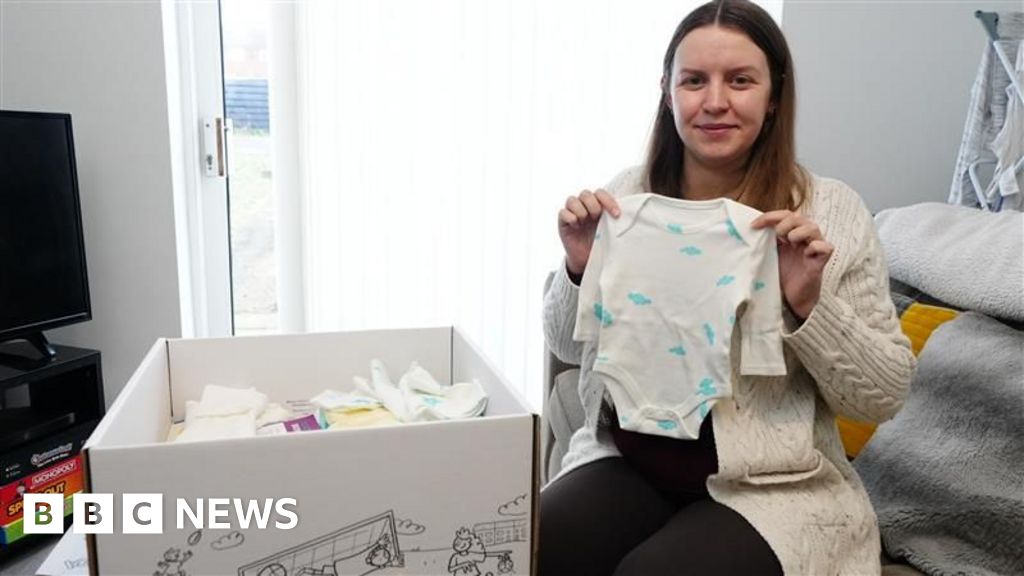
Free baby bundles sent to newborn parents but some miss outImage Credit: BBC Business (Finance)
Key Points
- •LONDON – A flagship Welsh Government initiative to provide free "baby bundles" to all new parents is facing scrutiny over its staggered rollout and its economic effectiveness, as critics argue the funds could be better used to tackle the "frightening cost of childcare."
- •What's in the box: Each bundle contains a curated selection of items, with an estimated value of over £150. They are designed to support a baby's first weeks and months and include products from Welsh businesses where possible.
- •Key Contents: Items typically include a baby mattress and bedding (allowing the box itself to be used as a safe sleeping space), baby-safe toiletries, a changing mat, clothes, blankets, and resources on post-natal well-being and infant care.
- •The Stated Goal: The government frames the initiative as a key part of its broader strategy to tackle child poverty and improve early-years outcomes, ensuring a level playing field from birth.
- •Baby Bundle Value: A one-time provision valued at approximately £150 per child.
Free baby bundles sent to newborn parents but some miss out
LONDON – A flagship Welsh Government initiative to provide free "baby bundles" to all new parents is facing scrutiny over its staggered rollout and its economic effectiveness, as critics argue the funds could be better used to tackle the "frightening cost of childcare."
The "Cwtsh Cymru" scheme, designed to give every newborn in Wales an equal start, is being implemented in phases, leading to a situation where families in some regions receive the support package while others miss out, creating what some describe as a "postcode lottery."
This logistical challenge is compounded by a growing political debate over whether the multi-million-pound programme represents the most efficient use of public funds at a time when many families' finances are stretched to the breaking point by soaring childcare expenses.
The 'Cwtsh Cymru' Initiative
The programme, which translates to "Welsh Cuddle," is modelled on successful, long-standing schemes in countries like Finland and, more recently, Scotland. The Welsh Government has committed approximately £7 million annually to the universal programme.
Its stated aim is to promote parental well-being, provide essential items, and reduce the financial burden on new families, regardless of their income or background.
- What's in the box: Each bundle contains a curated selection of items, with an estimated value of over £150. They are designed to support a baby's first weeks and months and include products from Welsh businesses where possible.
- Key Contents: Items typically include a baby mattress and bedding (allowing the box itself to be used as a safe sleeping space), baby-safe toiletries, a changing mat, clothes, blankets, and resources on post-natal well-being and infant care.
- The Stated Goal: The government frames the initiative as a key part of its broader strategy to tackle child poverty and improve early-years outcomes, ensuring a level playing field from birth.
Implementation and Eligibility Gaps
The primary source of frustration for many new parents is the scheme's phased implementation. Rather than a single nationwide launch, the bundles are being introduced on a health board-by-health board basis.
The programme was initially trialled and then launched in the Swansea Bay University Health Board area. It is gradually being extended across the country, with a target for full national availability.
However, this means a baby's eligibility is currently determined by the hospital where they are born or the region where their family is registered with a midwife. Parents in areas yet to be included in the rollout are left waiting, creating a clear disparity in support during a critical and often expensive period.
The Economic Debate: Bundles vs. Childcare
While the principle of universal support has been widely welcomed, the scheme has ignited a debate about fiscal priorities. Critics, including opposition parties, question whether the baby bundle is the most impactful investment in family financial stability.
The Welsh Liberal Democrats have been particularly vocal, arguing that the government must shift its focus to the far larger and more systemic issue of childcare costs.
As a spokesperson stated, the government must focus on childcare to give families "real support." They added that the "frightening cost of childcare is pushing parents out of work and holding our economy back, and no baby box can fix that on its own."
This argument pits a one-off provision against a recurring, high-impact household expense.
- Baby Bundle Value: A one-time provision valued at approximately £150 per child.
- Annual Scheme Cost: The Welsh Government has budgeted around £7 million per year for the national programme.
- Average Childcare Costs: Recent data from family and childcare charities indicates that the average cost for a part-time nursery place (25 hours) in Wales is over £140 per week, equating to more than £7,000 per year.
- Economic Impact: For many families, annual childcare expenses can exceed their mortgage payments, acting as a significant barrier to parents—predominantly mothers—returning to the workforce. This has a direct impact on household income, career progression, and the wider economy's productivity.
International Context and Government Position
The concept of a "baby box" is not new. Finland introduced its maternity package in the 1930s, a policy widely credited with helping to drastically reduce the country's infant mortality rate and promote social equality. Scotland launched its own universal Baby Box scheme in 2017, which has high uptake rates and is generally viewed positively.
The Welsh Government defends its "Cwtsh Cymru" programme as one component of a wider support system for families. Ministers argue that the scheme is not intended to be a panacea for all economic challenges but a practical and symbolic gesture of support that provides tangible benefits during the crucial early days of a child's life. They highlight its role in promoting safe sleep practices and bonding.
Officials maintain that the phased rollout is a necessary logistical step to ensure the programme can be delivered effectively and sustainably across all parts of Wales.
The Bottom Line and What's Next
The "Cwtsh Cymru" initiative exists at the intersection of social policy and economic reality. While its intentions are lauded, its implementation has created temporary inequities that are a source of significant frustration for those currently excluded.
The Welsh Government is expected to continue the rollout until the scheme is fully national, at which point every newborn will be eligible. The key date for full implementation remains the most anticipated piece of information for expectant parents across the country.
However, the more profound question raised by critics will persist: in an environment of constrained public finances and immense cost-of-living pressures, does a universal, one-off gift represent the most effective deployment of capital? As the debate continues, the government faces the challenge of proving the scheme's long-term value while also addressing the crippling cost of childcare that remains the primary financial obstacle for a vast number of Welsh families.
Source: BBC Business (Finance)
Related Articles
Nationwide Protests Against ICE Enforcement Erupt in U.S.
Thousands are protesting ICE after the DOJ declined to investigate a fatal agent-involved shooting in Minneapolis, fueling a national movement and public anger.
Venezuela Amnesty Bill Could Free Political Prisoners
Learn about Venezuela's proposed amnesty bill to release political prisoners. The move could signal a major political shift and affect future economic sanctions
Pokémon Cancels Yasukuni Shrine Event After Backlash
The Pokémon Company has canceled an event at Tokyo's controversial Yasukuni Shrine after facing international backlash from China and South Korea.
US to Lose Measles Elimination Status: What It Means
The U.S. is poised to lose its measles elimination status due to escalating outbreaks. Learn what this downgrade means for public health and the economy.