Welsh Hospice Funding Crisis Threatens End-of-Life Care
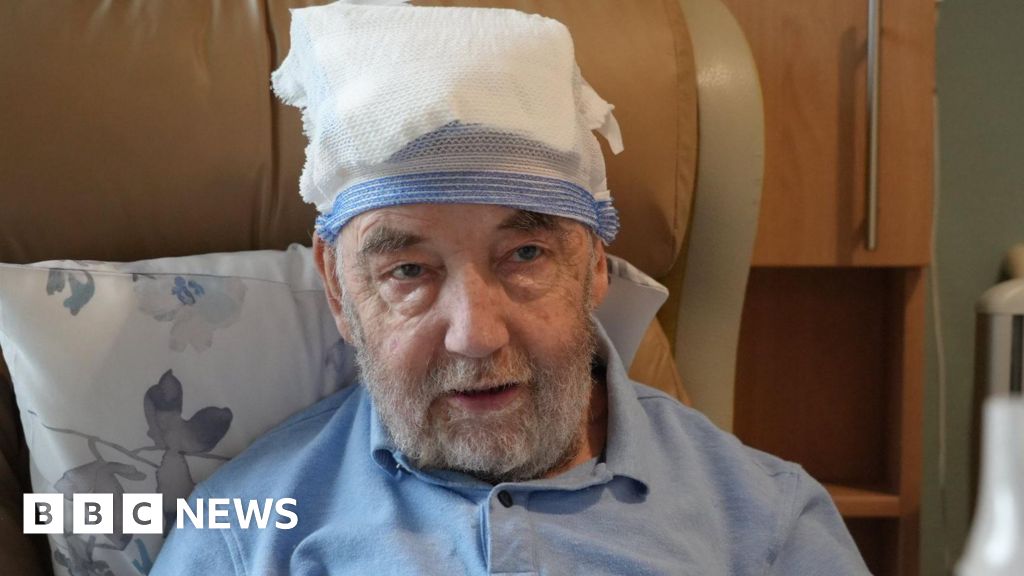
Welsh hospice services could reduce without more funding, charity saysImage Credit: BBC News
Key Points
- •LONDON – Wales's network of charitable hospices is facing an unprecedented financial crisis that could force a reduction in essential end-of-life care services, a leading sector body has warned. Mounting operational costs, stagnant government funding, and increased patient demand are creating a "perfect storm" that threatens the sustainability of palliative care for thousands of patients and their families across the nation.
- •Soaring Operational Costs: Like many sectors, hospices have been hit by double-digit inflation in energy bills, medical supplies, and food. Furthermore, the need to offer competitive wages to retain highly skilled nursing and care staff has significantly increased payroll expenses.
- •Stagnant Statutory Contribution: On average, funding from Local Health Boards (the Welsh NHS bodies) covers less than 30% of a hospice's total running costs. This percentage has steadily declined in real terms over the past decade, failing to keep pace with both inflation and the increasing complexity of patient needs.
- •Rising Patient Demand: Wales has an aging population, leading to a greater number of people living longer with complex, life-limiting conditions. This has driven a sustained increase in the demand for palliative and end-of-life care services that the current infrastructure is struggling to meet.
- •Fundraising Headwinds: The cost-of-living crisis impacting households across the UK has simultaneously tightened the public's capacity for charitable donations. Hospices report that while community support remains strong in spirit, the value of individual donations and income from charity shops is under significant pressure.
Welsh hospice services could reduce without more funding, charity says
LONDON – Wales's network of charitable hospices is facing an unprecedented financial crisis that could force a reduction in essential end-of-life care services, a leading sector body has warned. Mounting operational costs, stagnant government funding, and increased patient demand are creating a "perfect storm" that threatens the sustainability of palliative care for thousands of patients and their families across the nation.
The stark warning comes from Hospice Cymru, the umbrella organisation representing the majority of Wales's independent hospices. The charity reports a collective funding shortfall projected to exceed £17 million for the upcoming fiscal year, a gap that it says can no longer be bridged by fundraising alone. Without urgent intervention, hospices may be forced to consider scaling back critical services, including in-patient beds and community-based "hospice at home" programmes.
This fiscal pressure jeopardises a model of care praised for its compassion and effectiveness. As one patient receiving care at a North Wales hospice recently described the service: "I think everybody worries when they come to the last stages, no one knows what to expect, but these people are wonderful at relaxing you and they help you an awful lot."
The Widening Funding Gap
The financial model for hospice care in Wales has long been a partnership between statutory funding and charitable giving. However, the balance has become critically skewed. Hospices are now facing a severe structural deficit driven by several converging factors.
According to data compiled by Hospice Cymru, the core issues include:
-
Soaring Operational Costs: Like many sectors, hospices have been hit by double-digit inflation in energy bills, medical supplies, and food. Furthermore, the need to offer competitive wages to retain highly skilled nursing and care staff has significantly increased payroll expenses.
-
Stagnant Statutory Contribution: On average, funding from Local Health Boards (the Welsh NHS bodies) covers less than 30% of a hospice's total running costs. This percentage has steadily declined in real terms over the past decade, failing to keep pace with both inflation and the increasing complexity of patient needs.
-
Rising Patient Demand: Wales has an aging population, leading to a greater number of people living longer with complex, life-limiting conditions. This has driven a sustained increase in the demand for palliative and end-of-life care services that the current infrastructure is struggling to meet.
-
Fundraising Headwinds: The cost-of-living crisis impacting households across the UK has simultaneously tightened the public's capacity for charitable donations. Hospices report that while community support remains strong in spirit, the value of individual donations and income from charity shops is under significant pressure.
The Human Cost of Fiscal Uncertainty
The potential impact of service reduction extends far beyond balance sheets. Hospices provide a holistic suite of services designed to manage pain, provide psychological and spiritual support, and offer respite and bereavement counselling for families.
Dr. Anya Sharma, Chief Executive of Hospice Cymru, stressed that any cuts would be a last resort but are becoming an unavoidable consideration.
"Our members are not just managing budgets; they are managing dignity, comfort, and peace at the most vulnerable time in a person's life," Dr. Sharma stated. "The prospect of turning people away or reducing the number of home visits is heart-breaking and goes against the very ethos of the hospice movement."
Services under review across the sector could include:
- In-Patient Beds: A reduction in the number of available beds for intensive, 24-hour symptom control and end-of-life care.
- Hospice at Home: Scaling back community nursing teams who provide vital care for patients wishing to die at home.
- Day Services and Respite Care: Limiting programmes that offer patients social interaction and therapeutic activities, while giving crucial breaks to family carers.
- Bereavement Support: Reducing counselling and support groups for grieving families, a service that helps mitigate long-term mental health issues.
A False Economy for the Welsh NHS
From a purely financial perspective, sector analysts argue that underfunding hospice care is a false economy that will ultimately place a greater, more expensive burden on the NHS.
Hospice care is a highly cost-effective model. Providing palliative care in a hospice or at home is significantly less expensive than an extended stay in an acute hospital ward.
- The Cost Comparison: Independent analysis indicates the average daily cost of an in-patient hospice bed in Wales is approximately £550. In contrast, the cost of a general acute hospital bed can exceed £850 per day, with intensive care costs being substantially higher.
If hospice capacity is reduced, more patients at the end of their lives will be admitted to hospital by default. This not only fails to provide the specialist environment they need but also increases costs for the Welsh Government and occupies hospital beds required for emergency and elective treatments, exacerbating existing NHS backlogs.
The Path Forward
Hospice Cymru is calling on the Welsh Government to conduct an urgent review of its palliative care funding model. The charity is advocating for a new, sustainable settlement that links statutory contributions to rising costs and patient demand, rather than relying on ad-hoc grants.
In a statement, a Welsh Government spokesperson said: "We recognise the immense value and vital contribution of our hospice partners and the significant pressures they face. We have provided an additional £4 million in funding this year to help address rising energy costs. We will continue to work closely with Hospice Cymru and Health Boards to ensure everyone in Wales has access to high-quality palliative care."
However, hospice leaders argue that while welcome, such one-off payments do not solve the underlying structural deficit. The call is for a long-term strategy that formally recognises hospices as essential partners in the healthcare system and funds them accordingly. Without it, the invaluable service they provide—and the comfort they bring to so many—remains at risk.
Source: BBC News
Related Articles
Nationwide Protests Against ICE Enforcement Erupt in U.S.
Thousands are protesting ICE after the DOJ declined to investigate a fatal agent-involved shooting in Minneapolis, fueling a national movement and public anger.
Venezuela Amnesty Bill Could Free Political Prisoners
Learn about Venezuela's proposed amnesty bill to release political prisoners. The move could signal a major political shift and affect future economic sanctions
Pokémon Cancels Yasukuni Shrine Event After Backlash
The Pokémon Company has canceled an event at Tokyo's controversial Yasukuni Shrine after facing international backlash from China and South Korea.
US to Lose Measles Elimination Status: What It Means
The U.S. is poised to lose its measles elimination status due to escalating outbreaks. Learn what this downgrade means for public health and the economy.