Peter Mandelson: Epstein Ties & Dismissal Explained
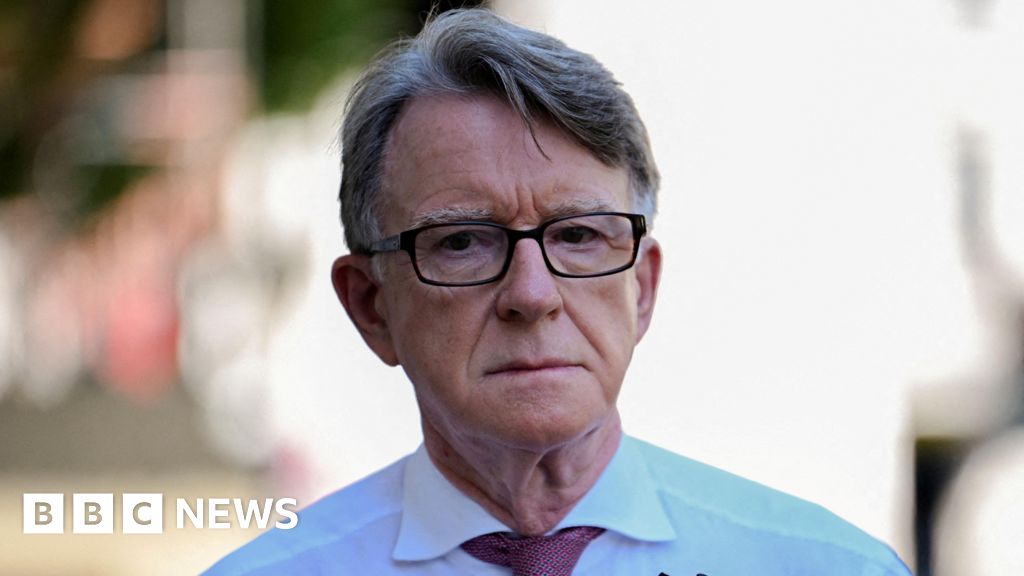
What to know about Peter MandelsonImage Credit: BBC News
Key Points
- •The Core Allegation: The new information reportedly includes emails showing Lord Mandelson sent supportive messages to Epstein in 2008. This was a critical period when Epstein was facing and subsequently convicted of sex offences in Florida, including procuring a minor for prostitution.
- •Architect of New Labour: Alongside Tony Blair and Gordon Brown, Mandelson was instrumental in rebranding the Labour Party in the 1990s, making it electable after nearly two decades in opposition. He served as the party's campaign director for the landslide 1997 election victory.
- •European Commissioner: After leaving the British cabinet for a second time, he was appointed as the UK's European Commissioner for Trade, a powerful role in which he represented the EU in global trade negotiations. His performance in Brussels was widely respected, rebuilding his political capital.
- •Return to Cabinet: In a surprise move in 2008, Prime Minister Gordon Brown brought Lord Mandelson back into government, elevating him to the House of Lords. He served as Business Secretary and First Secretary of State, effectively acting as the deputy prime minister during the global financial crisis.
- •The "Geoffrey Robinson Loan" (1998): He resigned as Trade and Industry Secretary after it was revealed he had accepted a £373,000 undeclared loan from fellow minister and millionaire Geoffrey Robinson to buy a house.
What to know about Peter Mandelson
Lord Peter Mandelson, a central architect of 'New Labour' and one of the most influential and resilient figures in modern British politics, is once again under intense scrutiny. His recent dismissal from a government advisory role over new revelations concerning his relationship with the late disgraced financier Jeffrey Epstein has thrust the veteran strategist back into an unwelcome spotlight, raising fresh questions about judgment and influence at the highest levels of power.
The controversy cuts to the core of Lord Mandelson's value in public and private life: his unparalleled network and perceived understanding of the global elite. For decades, his ability to navigate complex political and business landscapes has been his hallmark. Now, that very network is the source of a career-defining challenge.
The Dismissal from a Key Advisory Role
The immediate catalyst for the renewed focus on Lord Mandelson was his removal from his position as an unpaid trade adviser last September. The dismissal followed the emergence of new information regarding his historical ties to Jeffrey Epstein.
Downing Street confirmed the decision was made after it received details about the "depth of this relationship." The most damaging element appears to be email correspondence from over a decade ago.
- The Core Allegation: The new information reportedly includes emails showing Lord Mandelson sent supportive messages to Epstein in 2008. This was a critical period when Epstein was facing and subsequently convicted of sex offences in Florida, including procuring a minor for prostitution.
The revelation that a senior British political figure was offering support to Epstein while he faced such serious charges has triggered significant backlash and prompted the government to sever its advisory ties with the peer. This action underscores the toxicity of any association with Epstein, regardless of how historical it may be.
A Career of Influence and Controversy
To understand the significance of this moment, one must understand Lord Mandelson's formidable career. Nicknamed the "Prince of Darkness" for his mastery of political strategy and media management, he was a pivotal figure in the Labour Party's transformation and subsequent 13 years in power.
His career has been a cycle of immense influence, sudden downfall, and remarkable comeback.
-
Architect of New Labour: Alongside Tony Blair and Gordon Brown, Mandelson was instrumental in rebranding the Labour Party in the 1990s, making it electable after nearly two decades in opposition. He served as the party's campaign director for the landslide 1997 election victory.
-
European Commissioner: After leaving the British cabinet for a second time, he was appointed as the UK's European Commissioner for Trade, a powerful role in which he represented the EU in global trade negotiations. His performance in Brussels was widely respected, rebuilding his political capital.
-
Return to Cabinet: In a surprise move in 2008, Prime Minister Gordon Brown brought Lord Mandelson back into government, elevating him to the House of Lords. He served as Business Secretary and First Secretary of State, effectively acting as the deputy prime minister during the global financial crisis.
However, his career has been punctuated by high-profile resignations, making him the only minister to have been forced to resign from the UK Cabinet twice.
-
The "Geoffrey Robinson Loan" (1998): He resigned as Trade and Industry Secretary after it was revealed he had accepted a £373,000 undeclared loan from fellow minister and millionaire Geoffrey Robinson to buy a house.
-
The "Hindu-ja Passport Affair" (2001): He resigned as Northern Ireland Secretary following accusations that he had intervened in a passport application for Srichand Hinduja, an Indian businessman whose family firm was a sponsor of the Millennium Dome, a project Mandelson oversaw. He was later cleared of any impropriety.
Post-Government: The World of Global Counsel
After Labour's defeat in 2010, Lord Mandelson transitioned seamlessly from politics to the private sector, co-founding the strategic advisory firm Global Counsel. The firm epitomizes the modern intersection of business, finance, and geopolitics.
Global Counsel advises multinational corporations on how to navigate the complexities of government regulation and political risk across the globe. Lord Mandelson's role as chairman is central to the firm's brand, which is built on the experience and networks of its senior leadership.
- Bridging Politics and Business: The firm's proposition is to provide clients with the kind of high-level insight that can only come from individuals who have operated at the pinnacle of power. It trades on the currency of access, understanding, and, crucially, reputation.
The Epstein revelations directly threaten this currency. For a firm that advises on risk, having its chairman embroiled in a scandal centered on poor judgment and a toxic association is a significant liability.
The Lingering Shadow of Jeffrey Epstein
Lord Mandelson is far from the only prominent figure to be damaged by an association with Jeffrey Epstein. The late financier's ability to cultivate relationships with the powerful and wealthy has left a trail of reputational destruction across science, business, and royalty.
The scandal has ensnared figures like Prince Andrew, whose disastrous 2019 BBC interview about his friendship with Epstein effectively ended his public life. It has also raised questions for business leaders and financiers who moved in Epstein's orbit.
- A Test of Judgment: The Epstein affair has become a litmus test for the judgment and ethics of public figures. Any past interaction is now re-examined through the lens of what is now known about his extensive crimes, forcing a reckoning for many who once valued his connection.
What's Next: Implications for Influence and Legacy
For Lord Mandelson, the path forward is uncertain. His career has been defined by his ability to survive scandals that would have permanently ended the careers of other politicians. His resilience is legendary.
However, the nature of the Epstein scandal is different. It is not about political maneuvering or financial impropriety; it is about an association with heinous crimes. This makes it uniquely damaging and harder to recover from.
The key implications will be felt in two main areas: his business interests and his political legacy. Clients of Global Counsel will have to assess the reputational risk of being advised by him, and the firm itself will face pressure to distance its brand from the controversy.
Politically, this latest chapter complicates an already complex legacy. While his role in creating New Labour and his service in government are undeniable, this association threatens to cast a permanent shadow, raising the ultimate question of whether the "Prince of Darkness" has finally encountered a crisis from which even he cannot emerge unscathed.
Source: BBC News
Related Articles
Nationwide Protests Against ICE Enforcement Erupt in U.S.
Thousands are protesting ICE after the DOJ declined to investigate a fatal agent-involved shooting in Minneapolis, fueling a national movement and public anger.
Venezuela Amnesty Bill Could Free Political Prisoners
Learn about Venezuela's proposed amnesty bill to release political prisoners. The move could signal a major political shift and affect future economic sanctions
Pokémon Cancels Yasukuni Shrine Event After Backlash
The Pokémon Company has canceled an event at Tokyo's controversial Yasukuni Shrine after facing international backlash from China and South Korea.
US to Lose Measles Elimination Status: What It Means
The U.S. is poised to lose its measles elimination status due to escalating outbreaks. Learn what this downgrade means for public health and the economy.