When will it stop raining in the UK? Forecast & Impact
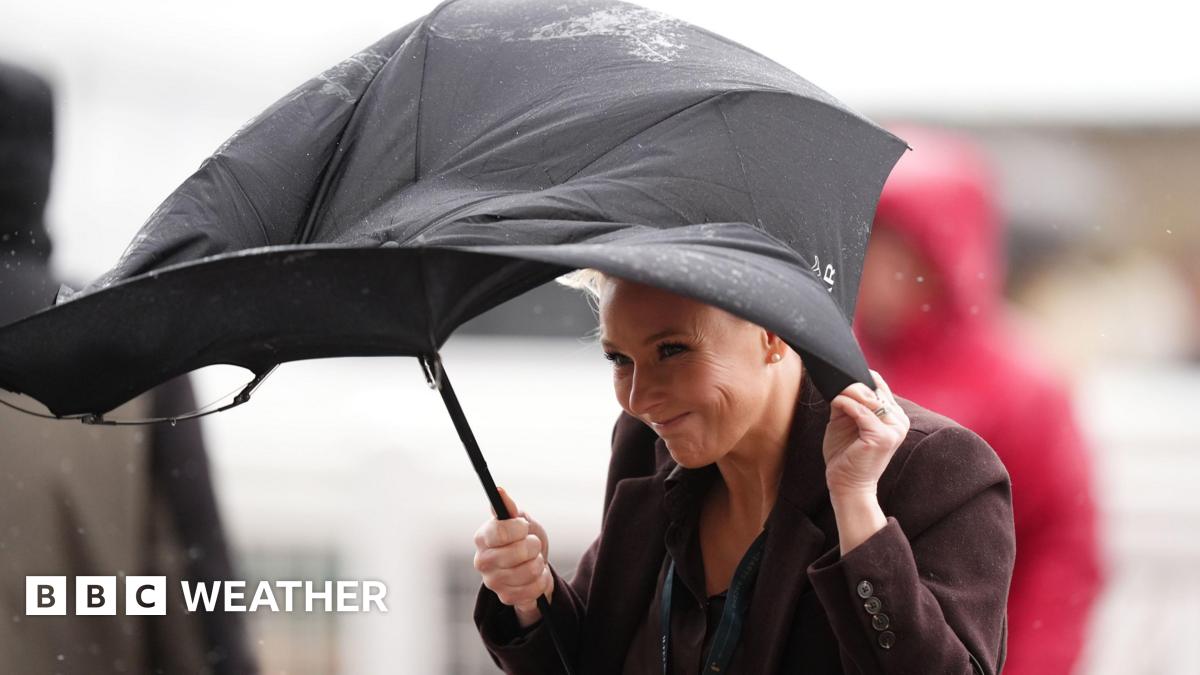
When will it stop raining in the UK?Image Credit: BBC News
Key Points
- •LONDON – An unrelenting wave of precipitation across the United Kingdom is doing more than just dampening spirits; it is actively eroding economic activity across key sectors, from agriculture to retail. As businesses grapple with the financial fallout of one of the wettest periods on record, all eyes are turning to meteorological forecasts for a desperately needed reprieve. While computer models are now signalling a potential, albeit temporary, shift to drier conditions, the economic damage already inflicted highlights a growing vulnerability for an economy heavily reliant on seasonal stability.
- •Delayed Planting: Saturated fields have made it impossible for farmers to use heavy machinery for planting spring crops like barley, wheat, and potatoes. This delay shrinks the growing season and directly threatens yield potential for the year.
- •Crop Damage: Waterlogged soil starves roots of oxygen, leading to root rot and failed germination for already-sown crops. The National Farmers' Union (NFU) has voiced significant concern over winter wheat and oilseed rape harvests.
- •Livestock Pressures: Farmers have been forced to keep livestock indoors for longer than usual, increasing costs for feed and bedding. Poor ground conditions also impact the quality of grazing land, adding further strain on animal welfare and farm liquidity.
- •High Street Decline: Data from the British Retail Consortium (BRC) consistently shows a correlation between poor weather and reduced shopper numbers. Empty high streets translate directly into lower sales for non-essential goods, clothing, and footwear.
When will it stop raining in the UK?
LONDON – An unrelenting wave of precipitation across the United Kingdom is doing more than just dampening spirits; it is actively eroding economic activity across key sectors, from agriculture to retail. As businesses grapple with the financial fallout of one of the wettest periods on record, all eyes are turning to meteorological forecasts for a desperately needed reprieve. While computer models are now signalling a potential, albeit temporary, shift to drier conditions, the economic damage already inflicted highlights a growing vulnerability for an economy heavily reliant on seasonal stability.
The core issue has been the persistence of a low-pressure weather pattern, funnelling rain-laden systems directly over the UK. This has created a cycle of saturated ground, elevated river levels, and relentless downpours that have stalled commercial and agricultural operations.
The Meteorological Outlook
Forecasters at BBC Weather and other meteorological institutions have been scrutinising long-range computer models for weeks. These sophisticated simulations, which project weather patterns up to 14 days in advance, have repeatedly hinted at a shift towards a high-pressure system, which would bring colder, drier, and more stable conditions.
However, these "false dawns" have consistently dissolved as the forecast period draws nearer, with the models reverting to the familiar wet and unsettled pattern.
Now, for the first time in months, there are stronger, more consistent signals across multiple computer models indicating a pattern change. This suggests a period of high pressure could finally establish itself, pushing the rain-bearing jet stream away from the UK. Forecasters caution this may only be a temporary respite, but it offers the first credible window of relief for beleaguered industries.
Economic Downpour: A Sector-by-Sector Impact Analysis
The macroeconomic impact of the persistent rain is a story of compounding pressures. While a single wet weekend is a minor inconvenience, months of it create significant financial headwinds, suppress consumer spending, and disrupt supply chains.
Agriculture's Washed-Out Season
The agricultural sector has been on the front line of this weather assault. The timing and intensity of the rainfall have created a perfect storm of operational and financial challenges for farmers.
- Delayed Planting: Saturated fields have made it impossible for farmers to use heavy machinery for planting spring crops like barley, wheat, and potatoes. This delay shrinks the growing season and directly threatens yield potential for the year.
- Crop Damage: Waterlogged soil starves roots of oxygen, leading to root rot and failed germination for already-sown crops. The National Farmers' Union (NFU) has voiced significant concern over winter wheat and oilseed rape harvests.
- Livestock Pressures: Farmers have been forced to keep livestock indoors for longer than usual, increasing costs for feed and bedding. Poor ground conditions also impact the quality of grazing land, adding further strain on animal welfare and farm liquidity.
Retail and Hospitality's Footfall Drought
For consumer-facing businesses, weather is a primary driver of footfall. The prolonged rain has acted as a significant deterrent to in-person shopping and leisure activities, hitting a sector already navigating tight margins.
- High Street Decline: Data from the British Retail Consortium (BRC) consistently shows a correlation between poor weather and reduced shopper numbers. Empty high streets translate directly into lower sales for non-essential goods, clothing, and footwear.
- Hospitality Hit: Pubs, cafes, and restaurants with outdoor seating have seen a vital revenue stream completely cut off. The "al fresco" economy, a crucial component of summer profitability, has failed to launch, impacting thousands of businesses.
- Tourism and Leisure: Domestic tourism and outdoor attractions, from historic homes with gardens to theme parks, have reported significantly lower visitor numbers. This has a knock-on effect on local economies dependent on seasonal tourist spending.
Construction and Infrastructure Under Strain
The construction industry, a key engine of UK growth, operates at the mercy of the elements. The relentless rain has caused widespread project delays and increased operational costs.
- Project Delays: Wet conditions make groundwork, excavation, and concrete pouring unsafe or impossible. These delays create a domino effect, pushing back timelines and triggering penalty clauses in contracts.
- Increased Costs: The need for water pumping, ground stabilisation measures, and protective coverings adds direct costs to projects. Worker productivity also falls in poor weather, further squeezing project profitability.
- Infrastructure Risk: Beyond new builds, the existing infrastructure is under pressure. Saturated ground increases the risk of landslips affecting road and rail networks, while overwhelmed drainage systems contribute to localised flooding, demanding costly emergency repairs from local authorities and utility companies.
The Bottom Line: Implications and Next Steps
The potential for a temporary dry spell offers a critical window for recovery. For farmers, it is a chance to get on the land and salvage the planting season. For retailers, it could unleash pent-up consumer demand. For construction firms, it allows for a sprint to get delayed projects back on track.
However, the economic lesson is clear: the UK's sensitivity to adverse weather patterns is a significant, and likely growing, financial risk.
Looking ahead, business leaders and investors must begin to factor weather volatility more seriously into their strategic planning. This includes building greater resilience in supply chains, diversifying revenue streams away from weather-dependent activities, and investing in technologies and infrastructure that can mitigate the impact of extreme precipitation.
As climate models predict more volatile and extreme weather events, the question will shift from "When will it stop raining?" to "How do we prepare for when it starts again?" The answer will be fundamental to the UK's future economic stability.
Source: BBC News
Related Articles
Nationwide Protests Against ICE Enforcement Erupt in U.S.
Thousands are protesting ICE after the DOJ declined to investigate a fatal agent-involved shooting in Minneapolis, fueling a national movement and public anger.
Venezuela Amnesty Bill Could Free Political Prisoners
Learn about Venezuela's proposed amnesty bill to release political prisoners. The move could signal a major political shift and affect future economic sanctions
Pokémon Cancels Yasukuni Shrine Event After Backlash
The Pokémon Company has canceled an event at Tokyo's controversial Yasukuni Shrine after facing international backlash from China and South Korea.
US to Lose Measles Elimination Status: What It Means
The U.S. is poised to lose its measles elimination status due to escalating outbreaks. Learn what this downgrade means for public health and the economy.