White House Warns Staff Against Betting on Prediction Market
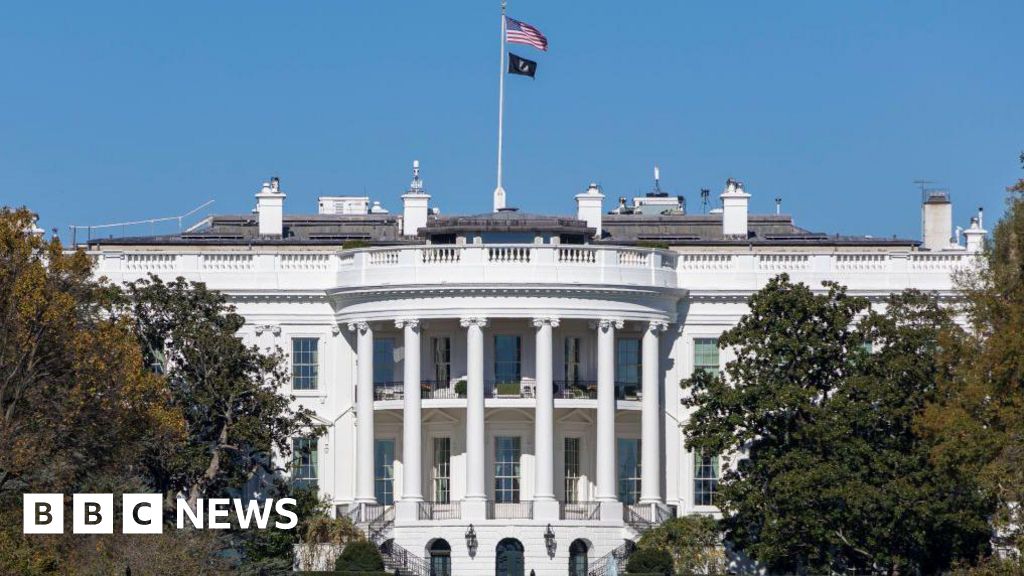
White House staff warned not to place bets on prediction marketsImage Credit: BBC Business (Finance)
Key Points
- •WASHINGTON D.C. – The White House has issued a stern directive to its staff: stay away from prediction markets. The warning, originating from the Counsel's Office, aims to prevent employees from using nonpublic, market-moving information to place bets on future events—a practice that raises significant legal and ethical red flags at the highest levels of government.
- •The Prohibition: The guidance specifically bars employees from wagering on "event contracts" or other instruments on prediction markets when the subject matter is linked to their government work.
- •The Rationale: The administration is moving to prevent both actual and perceived conflicts of interest. The mere appearance of a White House aide profiting from knowledge gained on the job could severely damage public trust.
- •The Legal Basis: The warning is rooted in established ethics laws, including statutes that prohibit federal employees from using their public office for private gain.
- •Key Players: Platforms like Kalshi, a regulated exchange, and Polymarket, which operates offshore, have brought these markets into the mainstream.
White House staff warned not to place bets on prediction markets
WASHINGTON D.C. – The White House has issued a stern directive to its staff: stay away from prediction markets. The warning, originating from the Counsel's Office, aims to prevent employees from using nonpublic, market-moving information to place bets on future events—a practice that raises significant legal and ethical red flags at the highest levels of government.
The move casts a spotlight on the burgeoning world of online prediction markets, where users can wager on everything from Federal Reserve interest rate decisions to the passage of specific legislation. For an administration employee, access to such privileged information could create an untenable conflict of interest.
This formal guidance underscores the growing influence of these platforms and the unique challenges they pose to long-standing ethics rules designed to prevent government officials from profiting from their positions.
The Core Directive
The memo from the White House Counsel's Office serves as a clear ethics boundary. It explicitly prohibits staff from participating in prediction markets related to their official duties, citing the high risk of violating federal conflict of interest and insider trading laws.
The core concern is the potential for misuse of "nonpublic information," a broad term that could encompass anything from draft policy memos and internal deliberations to the President's thinking on a key appointment.
- The Prohibition: The guidance specifically bars employees from wagering on "event contracts" or other instruments on prediction markets when the subject matter is linked to their government work.
- The Rationale: The administration is moving to prevent both actual and perceived conflicts of interest. The mere appearance of a White House aide profiting from knowledge gained on the job could severely damage public trust.
- The Legal Basis: The warning is rooted in established ethics laws, including statutes that prohibit federal employees from using their public office for private gain.
What Are Prediction Markets?
Prediction markets are online exchanges where users buy and sell contracts based on the outcome of future events. They function like a stock market, but for events instead of companies.
These platforms turn propositions into tradable assets. For example, a contract might be, "Will the U.S. Federal Reserve cut interest rates by its June meeting?" Users can buy "Yes" or "No" shares, with prices fluctuating based on collective belief. If the event occurs, "Yes" shares pay out at full value; if not, they become worthless.
While many markets focus on sports or entertainment, a growing and more sophisticated segment deals with topics of immense government and economic importance.
- Key Players: Platforms like Kalshi, a regulated exchange, and Polymarket, which operates offshore, have brought these markets into the mainstream.
- Market Topics: Users can place wagers on a vast array of outcomes, including:
- Economic Data: Inflation rates, unemployment figures, and GDP growth.
- Policy Decisions: Federal Reserve actions, Supreme Court rulings, and regulatory changes from agencies like the FDA or EPA.
- Political Outcomes: Election results, the passage of congressional bills, and cabinet confirmations.
An Ethical and Legal Minefield
For a White House staffer, these markets represent a compliance nightmare. The line between general knowledge and privileged, nonpublic information can be thin, but the legal consequences of crossing it are severe.
The primary fear is a scenario analogous to corporate insider trading. An aide who learns in a private meeting that the President plans to announce a new tariff policy could, in theory, bet on its expected economic impact before the information is public.
The Specter of Insider Trading
Federal ethics laws are crystal clear: government employees cannot use nonpublic information to further their own private financial interests or those of others. The warning from the Counsel's Office is a preventative measure to ensure staff do not stray into this legally perilous territory.
- Direct Conflict: A staffer's financial stake in a specific policy outcome could, consciously or not, influence the advice they provide or the actions they take in their official capacity.
- Information Asymmetry: White House employees are privy to a constant flow of sensitive information. This creates a fundamental information asymmetry between them and the general public, which they are prohibited from exploiting.
- Erosion of Public Trust: Beyond any specific law, the perception that government insiders are "betting on the game" they are helping to officiate is deeply corrosive to democratic institutions.
A Nascent but Scrutinized Industry
The prediction market industry has grown rapidly, championed by proponents who argue it provides a valuable service by aggregating collective wisdom to produce accurate forecasts—a concept known as "price discovery."
However, the sector has faced intense scrutiny from regulators. The Commodity Futures Trading Commission (CFTC), the primary U.S. regulator for derivatives, has taken a cautious approach.
The CFTC has authorized Kalshi to offer markets on a range of economic and financial events but has pushed back against others. Notably, the regulator has consistently blocked proposals for markets based on U.S. election outcomes, deeming them contrary to the public interest. The White House's action adds another layer of high-level concern about the potential misuse of these emerging financial tools.
The Bottom Line
The White House's directive is a significant development that signals a new front in the battle to apply decades-old ethics rules to 21st-century financial technology.
- A Clear Precedent: The warning sets a clear standard for federal employees, likely to be emulated by other government departments and agencies.
- Heightened Scrutiny: This high-profile prohibition will inevitably draw more regulatory and congressional attention to the prediction market industry as a whole. Lawmakers may question whether existing laws are sufficient to police this new landscape.
- The Path Forward: The incident highlights the fundamental tension between financial innovation and the core principles of public service. As new ways to speculate on real-world events emerge, government bodies will be forced to continually adapt their rules to safeguard integrity and maintain public confidence. For now, the message from the West Wing is unequivocal: when it comes to prediction markets, the only safe bet is not to play at all.
Source: BBC Business (Finance)
Related Articles
Nationwide Protests Against ICE Enforcement Erupt in U.S.
Thousands are protesting ICE after the DOJ declined to investigate a fatal agent-involved shooting in Minneapolis, fueling a national movement and public anger.
Venezuela Amnesty Bill Could Free Political Prisoners
Learn about Venezuela's proposed amnesty bill to release political prisoners. The move could signal a major political shift and affect future economic sanctions
Pokémon Cancels Yasukuni Shrine Event After Backlash
The Pokémon Company has canceled an event at Tokyo's controversial Yasukuni Shrine after facing international backlash from China and South Korea.
US to Lose Measles Elimination Status: What It Means
The U.S. is poised to lose its measles elimination status due to escalating outbreaks. Learn what this downgrade means for public health and the economy.