Why Prince Andrew Left Royal Lodge & King Charles's Plan
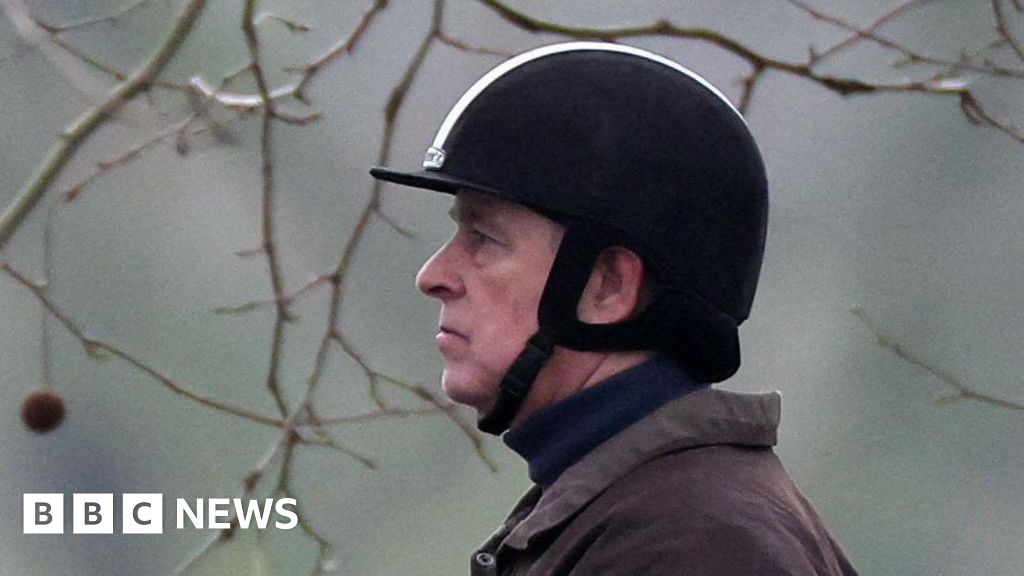
Why did Andrew Mountbatten-Windsor leave Royal Lodge in such a hurry?Image Credit: BBC News
Key Points
- •SOURCE: BBC News
- •Private Funding: A source confirms the new living arrangements will be funded "at the expense of the King, rather than any public money." This move insulates the Sovereign Grant—the taxpayer-funded mechanism that supports official royal duties—from any association with the Duke's personal living costs.
- •Reduced Visibility: Moving the Duke from the high-profile Windsor estate to the more secluded Sandringham removes him from the central hub of royal activity. This physical distance is symbolic of his removal from the core of the working Royal Family.
- •Lease Terms: The agreement required a one-off £1 million premium and for the Duke to fund extensive renovations, estimated at over £7.5 million. Crucially, he was also responsible for all annual upkeep and maintenance on the Grade II-listed property.
- •Escalating Costs: The annual upkeep for a property of Royal Lodge's size and age is substantial, with estimates placing the required expenditure at a minimum of £400,000 per year. Reports last year suggested the Duke's reduced income meant he could no longer afford these essential costs.
Why did Andrew Mountbatten-Windsor leave Royal Lodge in such a hurry?
SOURCE: BBC News
The Duke of York's departure from Royal Lodge, his sprawling 30-room Windsor residence for two decades, is not merely a change of address. It is the culmination of a deliberate, long-term strategy by King Charles III to mitigate the financial and reputational liabilities associated with his brother, effectively drawing a line under a damaging chapter for the modern monarchy.
The move, which will see Prince Andrew relocated to the Sandringham estate, represents a decisive and financially motivated action by the King. It aims to curtail the Duke's public visibility and sever a significant financial drain that had become a point of contention within the Royal Family and in the public eye.
This is more than a family dispute over property; it is a calculated business decision about the future branding and financial sustainability of "The Firm."
A Strategic Relocation
The Duke is not moving into another grand mansion. His relocation is a carefully managed, two-stage process designed to significantly downsize his lifestyle and footprint.
First, he will take up temporary residence at Wood Farm, a relatively modest five-bedroom property on the Sandringham estate in Norfolk. This cottage was famously favoured by the late Prince Philip as a private retreat from the formalities of royal life.
A more permanent, but as yet unspecified, new address is planned for the Duke thereafter. Crucially, the financing for this transition underscores the King's new approach.
-
Private Funding: A source confirms the new living arrangements will be funded "at the expense of the King, rather than any public money." This move insulates the Sovereign Grant—the taxpayer-funded mechanism that supports official royal duties—from any association with the Duke's personal living costs.
-
Reduced Visibility: Moving the Duke from the high-profile Windsor estate to the more secluded Sandringham removes him from the central hub of royal activity. This physical distance is symbolic of his removal from the core of the working Royal Family.
The Financial Realities of Royal Lodge
The pressure on the Duke to vacate Royal Lodge has been building for over a year, rooted in stark financial realities. While Prince Andrew does not own the property, his long-term lease agreement came with significant and costly obligations he was reportedly unable to meet.
In 2003, the Duke signed a 75-year lease for Royal Lodge from the Crown Estate, an independent commercial business that manages the monarchy's property portfolio.
-
Lease Terms: The agreement required a one-off £1 million premium and for the Duke to fund extensive renovations, estimated at over £7.5 million. Crucially, he was also responsible for all annual upkeep and maintenance on the Grade II-listed property.
-
Escalating Costs: The annual upkeep for a property of Royal Lodge's size and age is substantial, with estimates placing the required expenditure at a minimum of £400,000 per year. Reports last year suggested the Duke's reduced income meant he could no longer afford these essential costs.
-
Loss of Income: Following the settlement of a civil sexual assault case brought by Virginia Giuffre in the US, Prince Andrew was stripped of his military titles and royal patronages. He no longer performs public duties and therefore no longer receives a publicly funded income. His primary income is a private inheritance and an allowance from the King, which has reportedly been reduced.
King Charles's position was clear: if the Duke could not afford the maintenance stipulated in his lease, he could not justify remaining in such a grand and expensive property.
The King's "Slimmed-Down" Monarchy
This decision is a cornerstone of King Charles’s long-stated ambition to create a more streamlined, cost-effective, and publicly accountable monarchy.
By removing his non-working brother from a high-maintenance grace-and-favour-style property, the King sends a powerful message about fiscal responsibility and the standards expected of the Royal Family. It addresses a public perception problem head-on, demonstrating that royal status does not guarantee an extravagant lifestyle without the associated public duties.
The move also frees up a prime piece of real estate in the Windsor portfolio, with speculation that it could eventually be offered to the Prince and Princess of Wales and their family as their primary residence.
The Final Straw: Provocative Appearances
While financial pressure was the primary lever, the Duke's recent "provocative appearances" are understood to have accelerated the King's decision.
Despite being a non-working royal, Prince Andrew has appeared at several family events, including a prominent position walking to church at Sandringham on Christmas Day and again at the Easter Sunday service in Windsor.
These appearances generated negative media coverage and were seen internally as a misjudgment of the public mood. They undermined the official policy of keeping the Duke out of the public eye. The source's comment that "a line has been drawn under such provocative appearances" directly links these events to the final decision to enforce his relocation.
What Happens Next?
The Duke of York's departure from Royal Lodge marks the end of his life as a senior royal with a significant public-facing residence. The implications are clear and far-reaching.
-
For the Duke: His life will become significantly more private and financially dependent on the King's personal goodwill. The move to Sandringham represents a permanent shift to the periphery of the Royal Family.
-
For the Monarchy: It is a demonstration of King Charles's authority and his commitment to reforming the institution. It is a decisive move to protect the Crown from further reputational damage and to align the family's living arrangements with its modern, slimmed-down role.
-
For Royal Lodge: The Crown Estate will now regain control of a key asset. Its future use will be a strategic decision, likely aligning with the needs of senior working royals who are central to the monarchy's future, such as the heir to the throne.
In conclusion, the Duke's hurried exit from Royal Lodge was not a sudden event, but the swift conclusion to a protracted negotiation. It was driven by a combination of financial necessity, strategic repositioning by the King, and a final loss of patience with the Duke's perceived attempts to remain in the royal spotlight. It is, in essence, the final, decisive act in the managed decline of Prince Andrew's royal career.
Source: BBC News
Related Articles
Nationwide Protests Against ICE Enforcement Erupt in U.S.
Thousands are protesting ICE after the DOJ declined to investigate a fatal agent-involved shooting in Minneapolis, fueling a national movement and public anger.
Venezuela Amnesty Bill Could Free Political Prisoners
Learn about Venezuela's proposed amnesty bill to release political prisoners. The move could signal a major political shift and affect future economic sanctions
Pokémon Cancels Yasukuni Shrine Event After Backlash
The Pokémon Company has canceled an event at Tokyo's controversial Yasukuni Shrine after facing international backlash from China and South Korea.
US to Lose Measles Elimination Status: What It Means
The U.S. is poised to lose its measles elimination status due to escalating outbreaks. Learn what this downgrade means for public health and the economy.