UN's Sustainable Development Goals Unlikely to be Met by 203
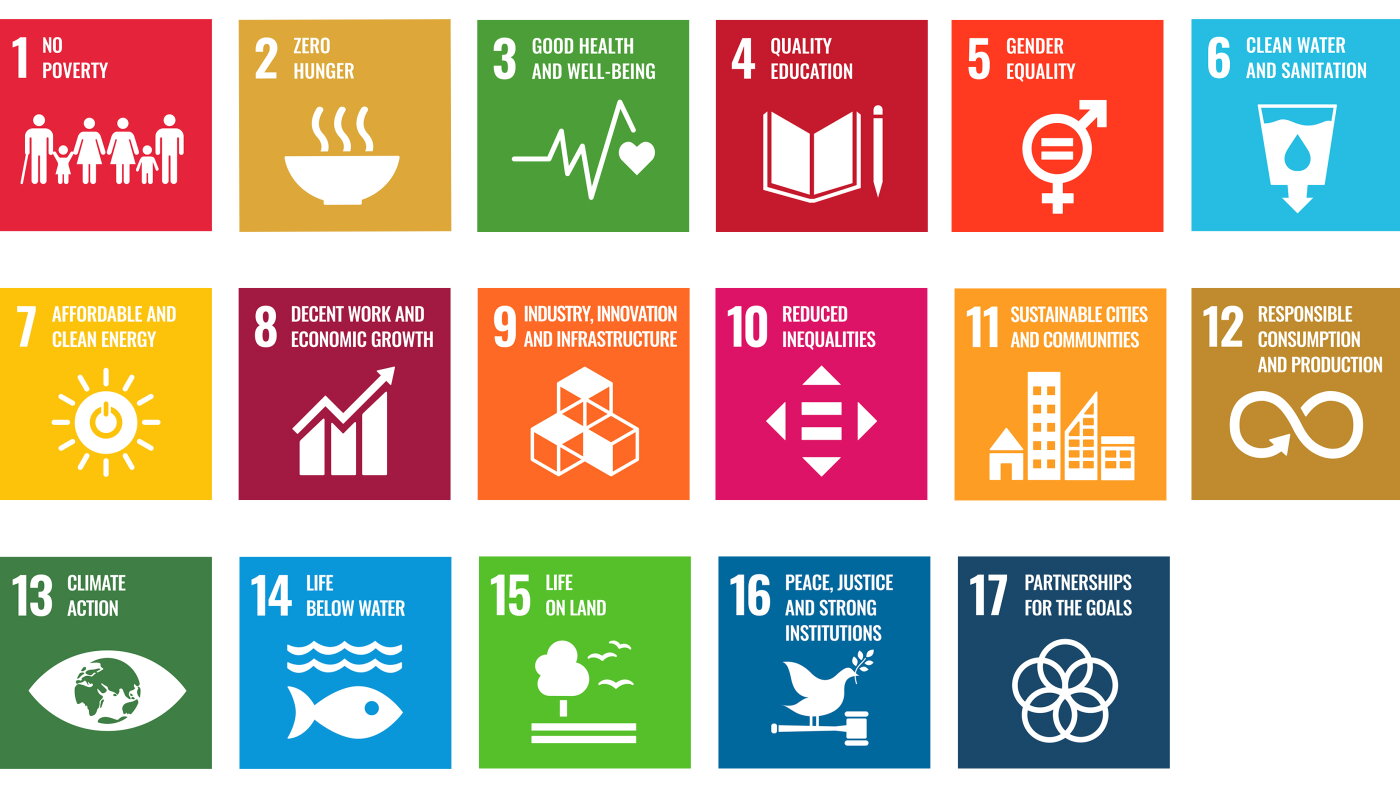
Will even one of the U.N.'s 17 'sustainable development goals' be met by 2030?Image Credit: NPR News
Key Points
- •By a Senior Financial Correspondent
- •On Track: A mere 15% of measurable targets are progressing as intended.
- •Moderate Progress: 21% are moving in the right direction, but at a pace insufficient to meet the 2030 deadline.
- •Marginal Progress: Nearly a third, 32%, show only slight, almost negligible, improvement.
- •Stagnant: 17% have seen no progress at all since the 2015 baseline.
Will even one of the U.N.'s 17 'sustainable development goals' be met by 2030?
By a Senior Financial Correspondent
In 2015, the world’s leaders endorsed a monumental undertaking: the 17 Sustainable Development Goals (SDGs), a comprehensive blueprint designed to eradicate poverty, protect the planet, and ensure prosperity for all by 2030. With the deadline now looming less than a decade away, a sobering reality is setting in. A recent United Nations assessment reveals that the global community is dramatically off-course, raising profound questions about the feasibility of the goals, the efficacy of global commitments, and the very definition of success.
The data paints a stark picture of stalled progress and, in some cases, alarming regression. The ambitious agenda, which was broken down into 169 specific targets, now appears more aspirational than achievable, prompting a critical re-evaluation of the policies and investments needed to salvage its transformative promise.
The 2030 Agenda: A Sobering Scorecard
The U.N.'s latest progress report on the SDGs is a statistical wake-up call. An analysis of targets for which sufficient data exists shows that the vast majority are not on track to be met by the 2030 deadline. This performance gap underscores a critical disconnect between stated ambitions and tangible action on the ground.
The breakdown reveals a landscape dominated by stagnation and incremental progress, rather than the accelerated change the goals were designed to inspire.
- On Track: A mere 15% of measurable targets are progressing as intended.
- Moderate Progress: 21% are moving in the right direction, but at a pace insufficient to meet the 2030 deadline.
- Marginal Progress: Nearly a third, 32%, show only slight, almost negligible, improvement.
- Stagnant: 17% have seen no progress at all since the 2015 baseline.
- Regressing: An alarming 15% have moved backward, with conditions worsening over the past decade.
Why the World is Falling Short
Experts point to a combination of unrealistic timelines and a fundamental failure of political and financial follow-through. The architecture of the goals themselves, while morally sound, may have set a bar that was practically unreachable from the outset without a revolutionary shift in global policy.
Unprecedented Ambition
The SDGs required a pace of change that has no historical precedent, notes Charles Kenny, a senior fellow at the Center for Global Development. "In order to meet them, we'd have to see incredibly dramatic global policy change," he states.
The goal of "Zero Poverty," for example, is a powerful moral objective. "There is no moral excuse for [extreme poverty] at all," Kenny says. "On the other hand, given the global system and political realities, the idea that we were going to get to zero by 2030 was really optimistic."
The Disconnect Between Pledges and Policy
The core of the problem, however, lies not with the goals themselves but with the inaction that followed their adoption. "I don't want to let governments off the hook," Kenny emphasizes. "These SDGs were agreements between the planet's leaders."
Wealthier nations, which held many of the financial and policy levers for accelerating global progress, largely failed to enact the necessary changes. Instead of a surge in support, several key trends stalled or reversed.
- Development Aid: Commitments to increase official development assistance were not met by many nations.
- Trade Opportunities: The expansion of trade access for developing economies did not materialize at the scale required.
- Private Investment: Efforts to de-risk and incentivize private capital flows into poorer countries proved insufficient.
- Migration: Policies in many developed countries became more restrictive, limiting a key avenue for economic mobility and remittances.
Beyond the Headlines: A Nuanced Story of Progress
While the headline figures are discouraging, judging the entire SDG enterprise as a failure would be a mistake. A granular look reveals significant, life-altering progress in specific areas, demonstrating that targeted investment and political will can yield powerful results. "One of the problems with setting really ambitious goals is you can be off track and yet making big progress," Kenny cautions.
Tangible Gains in Health and Infrastructure
Since 2015, global efforts have produced measurable improvements in human well-being, particularly where "money, technology and political will lined up," says Paul Spiegel, director of the Johns Hopkins Center for Humanitarian Health.
- Public Health Victories: Child mortality continues its downward trend, and life expectancy is rising. New HIV infections have fallen by 30%, and AIDS-related deaths have dropped by 35%. The proportion of births attended by a trained health professional is on a positive trajectory to reach 90%.
- Essential Services: An estimated one billion people have gained access to safe drinking water, and 1.2 billion now have decent sanitation. Global electricity access has expanded to reach 92% of the population.
- Connectivity: The digital divide is narrowing, with 74% of the world now connected to the internet.
- Social Safety Nets: In a historic first, more than half of humanity is now covered by at least one form of social protection, such as a pension, disability benefits, or unemployment support.
The "Domino Effect" of Key Goals
Progress in one area has often catalyzed gains in others. According to Thoai Ngo of Columbia Mailman School of Public Health, advancements in gender equality (Goal 5) have had a significant ripple effect. "We've managed to keep more girls in school, which has helped prevent child marriage and has improved the health of women in general," he explains.
The Enduring Value of a Global Framework
Even if no single goal is fully achieved by 2030, the SDGs have provided an indispensable framework for global action. Their value may lie less in their literal attainment and more in their power to direct policy, foster collaboration, and measure humanity's collective aspirations.
"The goals worked where they provided a universal direction of where we want to get," says Shirin Malekpour, an associate professor at Monash University. She argues the SDGs have succeeded as "facilitators of change" by:
- Inspiring Partnerships: Bringing together governments, the private sector, and civil society.
- Facilitating Data: Driving improvements in data collection and creating a global standard for measurement and accountability.
Sakiko Fukuda-Parr of The New School adds that the shortfall is a reflection of inadequate action, not flawed ideals. The goals force a difficult but necessary conversation about the gap between our promises and our performance.
The Path to 2030 and Beyond
As the deadline approaches, the narrative is shifting. The central question is no longer whether the world will meet its 2030 targets—it is now clear it will not. The focus must turn to how the global community can use the remaining years to accelerate progress and learn from the past decade's shortcomings.
The SDGs have successfully established a shared language and a common destination. The failure to arrive on schedule is a failure of investment, policy, and political will. The framework itself remains a powerful tool, and the progress achieved in critical areas proves that rapid change is possible. The challenge ahead is to replicate those successes at scale, turning the hard-won lessons of the last decade into the accelerated action of the next.
Source: NPR News
Related Articles
Nationwide Protests Against ICE Enforcement Erupt in U.S.
Thousands are protesting ICE after the DOJ declined to investigate a fatal agent-involved shooting in Minneapolis, fueling a national movement and public anger.
Venezuela Amnesty Bill Could Free Political Prisoners
Learn about Venezuela's proposed amnesty bill to release political prisoners. The move could signal a major political shift and affect future economic sanctions
Pokémon Cancels Yasukuni Shrine Event After Backlash
The Pokémon Company has canceled an event at Tokyo's controversial Yasukuni Shrine after facing international backlash from China and South Korea.
US to Lose Measles Elimination Status: What It Means
The U.S. is poised to lose its measles elimination status due to escalating outbreaks. Learn what this downgrade means for public health and the economy.