Winter Olympics 2026: Guide to the Milan-Cortina Games
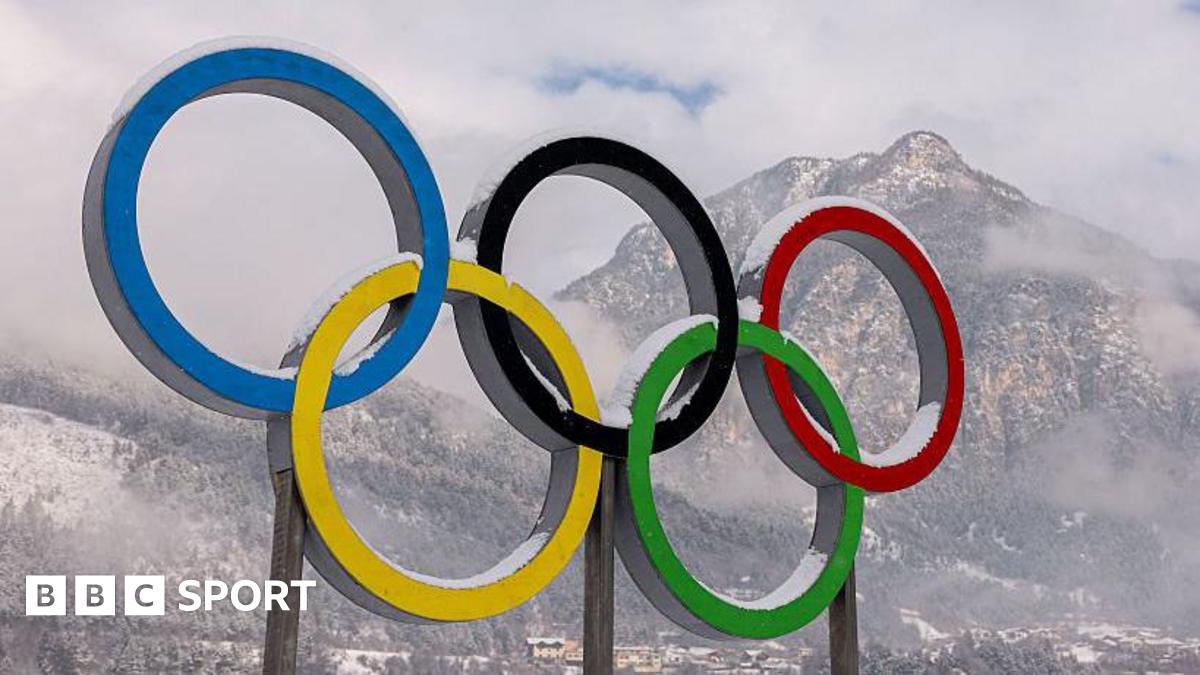
Winter Olympics 2026: All you need to know about Milan-Cortina GamesImage Credit: BBC News
Key Points
- •MILAN – As the countdown to the XXV Olympic Winter Games begins, Italy is preparing to host a global spectacle built on a new, more sustainable, and economically pragmatic blueprint. The Milan-Cortina 2026 Games represent a critical test for the International Olympic Committee's (IOC) reform-driven "Agenda 2020," which aims to make hosting the Olympics more affordable and less burdensome for host nations.
- •- Dates: February 6-22, 2026.
- •- Athletes: Approximately 2,900.
- •- Nations: Over 90 National Olympic Committees are expected to participate.
- •- Events: 116 events across 8 sports and 16 disciplines.
Winter Olympics 2026: All you need to know about Milan-Cortina Games
A Deep Dive into the Economics, Infrastructure, and Legacy of Italy's Ambitious Games
MILAN – As the countdown to the XXV Olympic Winter Games begins, Italy is preparing to host a global spectacle built on a new, more sustainable, and economically pragmatic blueprint. The Milan-Cortina 2026 Games represent a critical test for the International Olympic Committee's (IOC) reform-driven "Agenda 2020," which aims to make hosting the Olympics more affordable and less burdensome for host nations.
Spanning a vast territory across northern Italy, from the financial hub of Milan to the Dolomite peaks of Cortina d'Ampezzo, these Games are designed to leverage existing infrastructure and showcase the region's natural beauty. With a privately funded operating budget and a focus on long-term legacy, Milan-Cortina 2026 is poised to redefine what it means to host the world's premier winter sporting event.
The Games at a Glance
The Milan-Cortina 2026 Games will bring together the world's elite winter athletes in a uniquely dispersed format. This model breaks from the tradition of a single, compact host city.
- - Dates: February 6-22, 2026.
- - Athletes: Approximately 2,900.
- - Nations: Over 90 National Olympic Committees are expected to participate.
- - Events: 116 events across 8 sports and 16 disciplines.
- - New Sport: Ski mountaineering will make its Olympic debut.
A New Economic Model for the Olympics
At the heart of the Milan-Cortina bid is a commitment to fiscal responsibility, a direct response to the soaring costs that have plagued previous Games. The organizing committee is operating under a mandate to deliver the event without relying on public funds for its operational expenses.
The Financial Blueprint
The budget is structured into two distinct categories:
-
Operating Budget: This covers the direct costs of staging the Games, such as event management, staffing, technology, and ceremonies. It is projected at approximately €1.58 billion and is expected to be financed entirely through private sources, including IOC contributions, sponsorships, ticketing, and licensing.
-
Capital & Infrastructure Costs: These are investments in long-term infrastructure, including transport upgrades and venue construction or renovation. This portion, estimated to be several billion euros, is primarily covered by public funds from the Italian government and the Lombardy and Veneto regions, as it is viewed as a strategic investment in regional development.
By the Numbers
- - Operating Budget: €1.58 billion, fully funded by private revenue streams.
- - IOC Contribution: A guaranteed contribution of at least $925 million from the IOC provides a significant revenue baseline.
- - Venue Utilization: A cornerstone of the economic plan is the use of existing and temporary facilities. Approximately 93% of the venues fall into this category, drastically reducing the need for costly new construction and the risk of creating "white elephants."
- - Projected Economic Impact: Organizers project a significant economic uplift for northern Italy, including job creation and a sustained boost in tourism expected to last well beyond 2026.
The Geographic Footprint: A Dispersed Strategy
The Games will unfold across four main clusters, a strategic decision to utilize world-class existing facilities and spread the economic benefits and logistical load.
Main Venue Clusters
- - Milan: The global capital of fashion and design will serve as the hub for ice sports. It will host ice hockey, figure skating, and short-track speed skating. The opening ceremony is slated for the iconic San Siro stadium.
- - Cortina d'Ampezzo: The chic Dolomite resort, which previously hosted the 1956 Winter Games, will be the center for alpine skiing, bobsleigh, luge, skeleton, and curling.
- - Val di Fiemme (Trentino): The regions of Predazzo and Tesero will host Nordic events, including cross-country skiing, Nordic combined, and ski jumping.
- - Valtellina: The Alpine resorts of Livigno and Bormio will host all freestyle skiing and snowboard events, as well as men's alpine skiing.
This decentralized approach allows each region to play to its strengths while minimizing the environmental and financial impact of new construction.
Challenges on the Road to 2026
Despite the robust planning, the project is not without significant hurdles. Delivering a multi-site international event on this scale presents complex logistical and financial risks.
- - Cost Overruns: While the operating budget is privately funded, the publicly funded infrastructure projects remain susceptible to cost inflation, a common feature of past Olympic Games. Strict oversight will be critical.
- - Logistical Complexity: Connecting the disparate venue clusters with efficient and reliable transportation for athletes, officials, and an estimated 1.5 million spectators is a monumental task. Significant upgrades to road and rail networks are underway but must meet tight deadlines.
- - Venue Controversies: The initial plan to build a new sliding center in Cortina for bobsleigh, luge, and skeleton faced intense scrutiny over costs and environmental impact, leading to significant delays and a search for alternative solutions, including potentially hosting the events outside of Italy. This remains a key operational and reputational challenge.
The Bottom Line: A Test Case for the Future
Milan-Cortina 2026 is more than just a 16-day sporting event; it is a crucial case study for the future of the Olympic movement. Its success or failure in adhering to its fiscally prudent and sustainable model will have far-reaching implications.
If Italy can deliver a spectacular Games on budget while creating a tangible, long-term legacy for its northern regions, it will validate the IOC's Agenda 2020 and provide a compelling blueprint for future host cities. The global financial and sporting communities will be watching closely to see if this grand Italian experiment can truly deliver on its promise of a more rational and responsible Olympic Games.
Source: BBC News
Related Articles
Nationwide Protests Against ICE Enforcement Erupt in U.S.
Thousands are protesting ICE after the DOJ declined to investigate a fatal agent-involved shooting in Minneapolis, fueling a national movement and public anger.
Venezuela Amnesty Bill Could Free Political Prisoners
Learn about Venezuela's proposed amnesty bill to release political prisoners. The move could signal a major political shift and affect future economic sanctions
Pokémon Cancels Yasukuni Shrine Event After Backlash
The Pokémon Company has canceled an event at Tokyo's controversial Yasukuni Shrine after facing international backlash from China and South Korea.
US to Lose Measles Elimination Status: What It Means
The U.S. is poised to lose its measles elimination status due to escalating outbreaks. Learn what this downgrade means for public health and the economy.