Olympics 2026: Carey & Bocelli Open Milan-Cortina Games
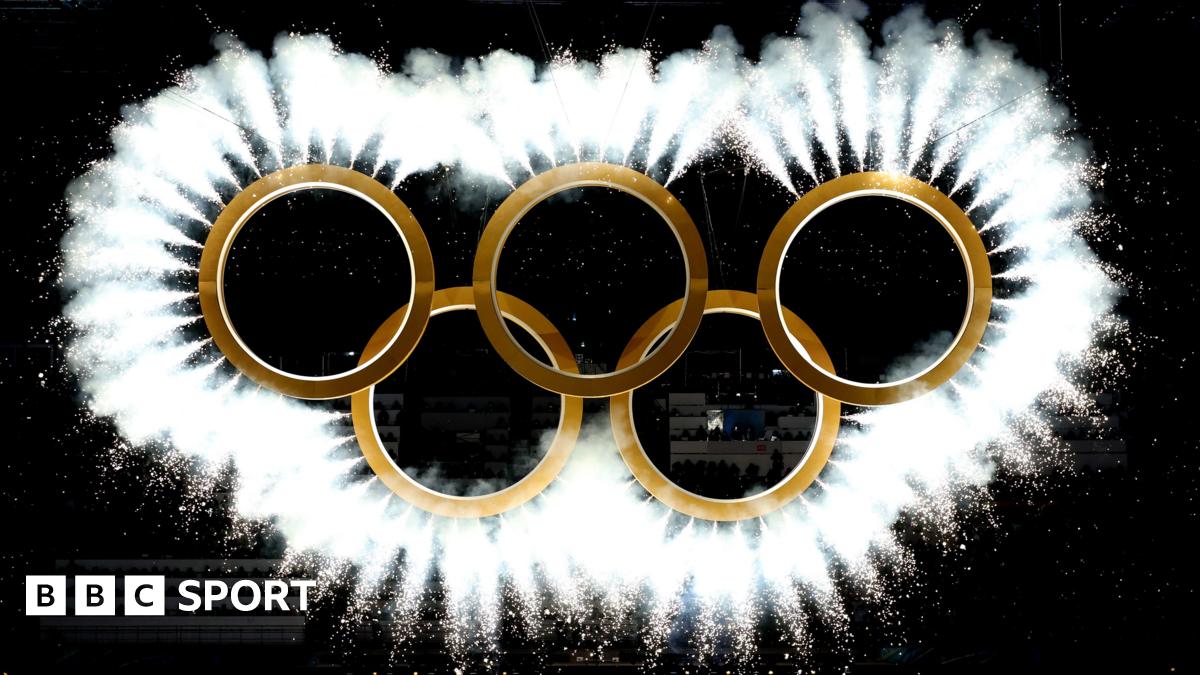
Winter Olympics 2026 opening ceremony: Milan-Cortina Games open as Mariah Carey & Andrea Bocelli performImage Credit: BBC News
Key Points
- •MILAN – The Milan-Cortina 2026 Winter Olympic Games have officially commenced, marked by a technologically ambitious, multi-venue opening ceremony that organizers hope will usher in a new era of financially sustainable and regionally integrated Games. The event, broadcast globally from Milan's iconic San Siro stadium, successfully navigated complex logistics to deliver a spectacle featuring performances by music superstars Mariah Carey and Andrea Bocelli, setting the stage for two weeks of elite competition.
- •Key Performers: The ceremony's commercial and artistic appeal was significantly bolstered by its headline acts. Italian tenor Andrea Bocelli delivered a powerful rendition of "Nessun Dorma" as the Olympic flame entered the San Siro, a moment that resonated deeply with the host nation. Separately, a pre-recorded, high-production performance by American pop icon Mariah Carey added international star power, a crucial element for securing high-value broadcast rights.
- •Symbolic Moments: Two Olympic cauldrons were lit in parallel—one at the San Siro in Milan and a second in Cortina, the co-host city. This act symbolized the partnership between the metropolitan hub and the alpine region, a core tenet of the Games' identity.
- •The Parade of Nations: The procession of athletes concluded with the host nation, Italy, entering to a thunderous ovation across all four ceremonial locations. The Ukrainian delegation received a notably warm and prolonged welcome, reflecting the ongoing geopolitical context. Team USA was also met with loud cheers, underscoring strong transatlantic ties.
- •Flagbearer Honours: In a nod to the dual-location theme, Great Britain appointed two flagbearers. Figure skater Lilah Fear carried the flag in Milan, while bobsledder Brad Hall, who will compete in Cortina, was given the honour in the mountain town.
Winter Olympics 2026 opening ceremony: Milan-Cortina Games open as Mariah Carey & Andrea Bocelli perform
MILAN – The Milan-Cortina 2026 Winter Olympic Games have officially commenced, marked by a technologically ambitious, multi-venue opening ceremony that organizers hope will usher in a new era of financially sustainable and regionally integrated Games. The event, broadcast globally from Milan's iconic San Siro stadium, successfully navigated complex logistics to deliver a spectacle featuring performances by music superstars Mariah Carey and Andrea Bocelli, setting the stage for two weeks of elite competition.
The ceremony represents the first major public test for an Olympic model predicated on fiscal prudence and the use of existing infrastructure. For the Milan-Cortina Organizing Committee (Fondazione Milano Cortina 2026) and the International Olympic Committee (IOC), a flawless execution was critical to reinforcing the viability of this decentralized approach, which aims to reduce the immense financial burden that has plagued previous host cities.
The Spectacle: A Ceremony of Unity and Technology
While the core of the production was anchored in Milan, the ceremony was a distributed event, seamlessly weaving in live elements from the mountain venues of Cortina d'Ampezzo, Livigno, and Predazzo. This innovative format was designed to showcase the geographic breadth of the Games and engage multiple communities simultaneously.
Initial concerns among analysts regarding the potential for technical failures or a disjointed narrative proved unfounded. The production was a masterclass in broadcast coordination, projecting a unified experience to a global audience estimated in the hundreds of millions.
-
Key Performers: The ceremony's commercial and artistic appeal was significantly bolstered by its headline acts. Italian tenor Andrea Bocelli delivered a powerful rendition of "Nessun Dorma" as the Olympic flame entered the San Siro, a moment that resonated deeply with the host nation. Separately, a pre-recorded, high-production performance by American pop icon Mariah Carey added international star power, a crucial element for securing high-value broadcast rights.
-
Symbolic Moments: Two Olympic cauldrons were lit in parallel—one at the San Siro in Milan and a second in Cortina, the co-host city. This act symbolized the partnership between the metropolitan hub and the alpine region, a core tenet of the Games' identity.
-
The Parade of Nations: The procession of athletes concluded with the host nation, Italy, entering to a thunderous ovation across all four ceremonial locations. The Ukrainian delegation received a notably warm and prolonged welcome, reflecting the ongoing geopolitical context. Team USA was also met with loud cheers, underscoring strong transatlantic ties.
-
Flagbearer Honours: In a nod to the dual-location theme, Great Britain appointed two flagbearers. Figure skater Lilah Fear carried the flag in Milan, while bobsledder Brad Hall, who will compete in Cortina, was given the honour in the mountain town.
A New Financial Model Under the Spotlight
The Milan-Cortina Games are a crucial test case for the IOC's "Olympic Agenda 2020" and "New Norm" reforms, which strongly encourage hosts to minimize construction and leverage pre-existing facilities. The organizing committee has projected an operating budget of approximately €1.5 billion, which is intended to be privately financed through sponsorships, ticket sales, and a significant contribution from the IOC.
This figure does not include wider infrastructure spending on roads and connectivity, which are positioned as long-term regional investments rather than direct costs of the Games.
-
Leveraging Existing Infrastructure: Organizers have touted that over 90% of the venues for the 2026 Games are existing or temporary. The use of the 100-year-old San Siro for the opening ceremony, ahead of its potential demolition or renovation, is a prime example of this strategy. This approach drastically cuts capital expenditure and the risk of creating "white elephant" stadiums that lie dormant after the Games.
-
Revenue Streams: The financial success of the Games hinges on several key income sources. The IOC is contributing a baseline of $925 million from its broadcast and top-tier sponsorship revenues. The remainder must be generated by the local organizing committee through domestic sponsorships, merchandise, and, most critically, ticket sales, which are projected to be robust given the passionate local fanbase for winter sports.
-
Economic Impact Projections: The Italian government and regional authorities anticipate a significant economic windfall. Projections point to a multi-billion euro boost to GDP, driven by tourism, construction, and services. The Games are expected to support over 20,000 jobs and leave a lasting legacy of improved transport links and upgraded sporting facilities in the Lombardy and Veneto regions.
Navigating Logistical Hurdles and Geopolitical Headwinds
While the opening ceremony was a success, it also highlighted the inherent risks of the modern Olympic movement. The smooth technical execution belied the immense underlying security and logistical costs of coordinating a safe event across multiple sites separated by hundreds of kilometers.
Furthermore, the event was not immune to global political tensions.
-
Geopolitical Tensions: The otherwise celebratory atmosphere was punctuated by moments of discord. Audible boos were directed at the delegations from Israel and Georgia during the parade of nations. More significantly, when US Vice President JD Vance was shown on the stadium's large screens, he was met with a negative crowd reaction.
-
Implications for Brand Safety: These incidents, while brief, are closely monitored by corporate sponsors who invest billions to be associated with the Olympic brand's message of unity. Any perception of political controversy or division poses a reputational risk, a factor that organizers must manage carefully throughout the Games. The cost of security, already a major budget line item, is invariably higher in an environment of heightened global tensions.
Looking Ahead: The Business of the Games
With the cauldron lit, the focus now shifts from pageantry to performance—both on the field of play and on the balance sheet. Over the next 17 days, the Milan-Cortina 2026 Games will be judged on a new set of metrics.
Success will be measured not only by athletic achievement but also by key performance indicators such as broadcast viewership figures, ticket and merchandise sales volumes, and the efficient management of transportation and security logistics. The ultimate verdict on this new, more distributed Olympic model will depend on its ability to deliver a world-class event without the crippling debt that has defined so many of its predecessors. For future potential host cities, the financial legacy of Milan-Cortina will be as closely watched as any medal race.
Source: BBC News
Related Articles
Nationwide Protests Against ICE Enforcement Erupt in U.S.
Thousands are protesting ICE after the DOJ declined to investigate a fatal agent-involved shooting in Minneapolis, fueling a national movement and public anger.
Venezuela Amnesty Bill Could Free Political Prisoners
Learn about Venezuela's proposed amnesty bill to release political prisoners. The move could signal a major political shift and affect future economic sanctions
Pokémon Cancels Yasukuni Shrine Event After Backlash
The Pokémon Company has canceled an event at Tokyo's controversial Yasukuni Shrine after facing international backlash from China and South Korea.
US to Lose Measles Elimination Status: What It Means
The U.S. is poised to lose its measles elimination status due to escalating outbreaks. Learn what this downgrade means for public health and the economy.