Winter Olympics 2026: Team GB Curling's Winning Start
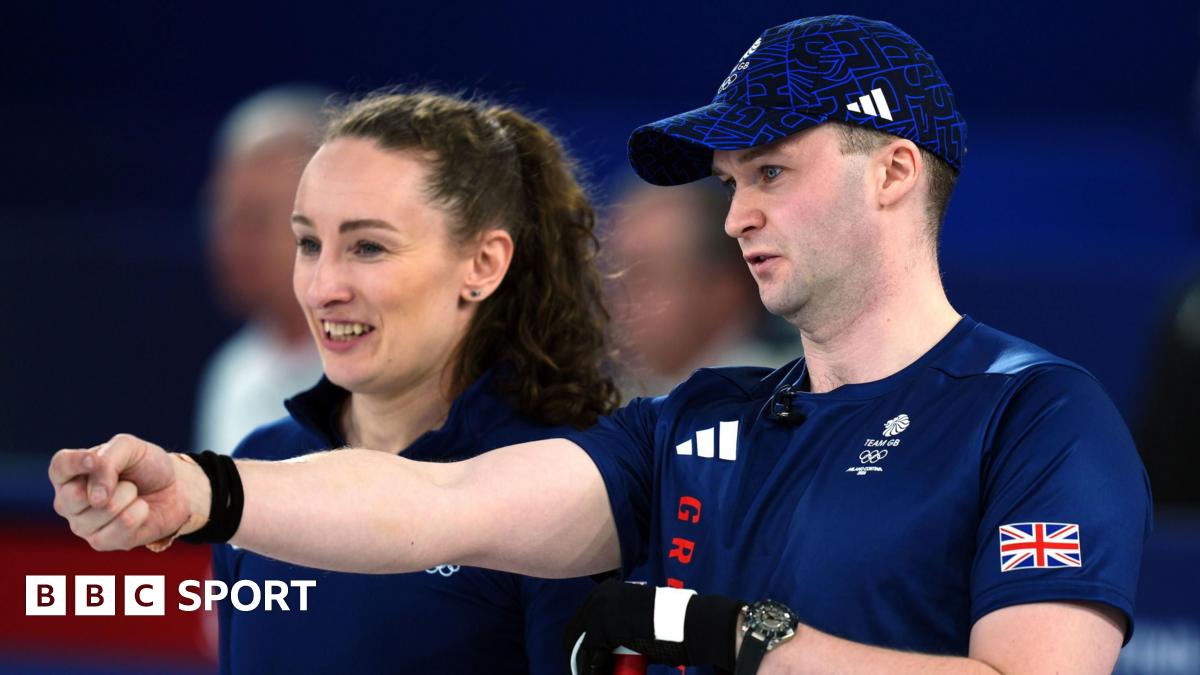
Winter Olympics 2026: Bruce Mouat and Jen Dodds get Team GB off to winning startImage Credit: BBC News
Key Points
- •FOR IMMEDIATE RELEASE
- •Winter Olympics 2026: Bruce Mouat and Jen Dodds get Team GB off to winning start
- •CORTINA D'AMPEZZO, Italy – Beneath the disco lights of Cortina's Olympic Ice Stadium, the first stone of the 2026 Winter Games has been thrown, delivering an early victory for Great Britain. But behind the on-ice drama lies a far larger story: the launch of a multi-billion-dollar economic enterprise, where every win is a return on investment and every glitch a reminder of the immense financial stakes.
- •Operating Budget: The official budget for the Games is approximately €1.58 billion (approx. $1.7 billion). This covers all operational aspects, from venue management to staffing and technology.
- •Primary Funding: The IOC is the largest single contributor, providing an estimated $925 million from its broadcast and sponsorship revenues.
FOR IMMEDIATE RELEASE
Winter Olympics 2026: Bruce Mouat and Jen Dodds get Team GB off to winning start
CORTINA D'AMPEZZO, Italy – Beneath the disco lights of Cortina's Olympic Ice Stadium, the first stone of the 2026 Winter Games has been thrown, delivering an early victory for Great Britain. But behind the on-ice drama lies a far larger story: the launch of a multi-billion-dollar economic enterprise, where every win is a return on investment and every glitch a reminder of the immense financial stakes.
As Team GB’s Bruce Mouat and Jen Dodds sealed a hard-fought 8-6 curling victory over Norway, their success represented the first tangible dividend for a vast ecosystem of public funding, private sponsorship, and broadcast revenue that underpins the modern Olympic movement. The match, while a sporting spectacle, served as a microcosm of the entire Games—an event built on precision, strategy, and significant capital expenditure.
The Milan-Cortina 2026 Financial Blueprint
The Games in Milan and Cortina d'Ampezzo are being promoted as a new model of fiscal responsibility, a direct response to the cost overruns that have plagued previous host cities. The organizing committee is operating under a mandate of economic and environmental sustainability, a strategy now central to the International Olympic Committee's (IOC) "New Norm" agenda.
A brief power outage that plunged the arena into darkness early in the match, while quickly resolved, served as a potent symbol of the operational pressures involved. While athlete Bruce Mouat joked it was "like a nightclub," for organizers, such moments underscore the critical importance of flawless execution when billions in investment and global prestige are on the line.
Budget and Funding Sources
The financial architecture of Milan-Cortina 2026 is designed to avoid placing a burden on Italian taxpayers. The model relies almost exclusively on private-sector funding.
- Operating Budget: The official budget for the Games is approximately €1.58 billion (approx. $1.7 billion). This covers all operational aspects, from venue management to staffing and technology.
- Primary Funding: The IOC is the largest single contributor, providing an estimated $925 million from its broadcast and sponsorship revenues.
- Commercial Revenue: The remaining funds are generated through domestic sponsorship deals, ticket sales, and merchandising. The healthy crowd in attendance for the opening curling session is an early positive indicator for ticketing revenue projections.
A New Model of Infrastructure
A key pillar of the Milan-Cortina financial strategy is the extensive use of existing and temporary facilities. This approach is designed to prevent the creation of costly "white elephants"—underused stadiums that have saddled former host cities with debt for decades.
- Venue Utilisation: An estimated 93% of the venues for the 2026 Games are pre-existing or will be temporary structures. This dramatically reduces capital expenditure on construction.
- Economic Legacy: The focus is on upgrading existing infrastructure in the Lombardy and Veneto regions, creating a long-term legacy for local communities and the winter sports tourism industry, which is a vital economic driver for Northern Italy.
Team GB: A Return on Investment
For nations like Great Britain, Olympic success is the culmination of a long-term, data-driven investment strategy. The victory for Mouat and Dodds provides immediate validation for the funding bodies that support elite athletes.
- UK Sport Funding: Team GB's winter sports programs receive millions in funding from UK Sport, primarily sourced from the National Lottery and government grants. A strong start to the Games reinforces the case for continued public investment in high-performance sport.
- Brand and Sponsorship Value: Early victories significantly enhance the commercial value of the Team GB brand. Sponsors, who invest heavily to associate with the team, see an immediate return through heightened media exposure and positive public sentiment.
- Athlete Endorsements: On an individual level, a high-profile win can transform an athlete's financial prospects, opening doors to lucrative personal endorsements and sponsorships that extend well beyond the Olympic cycle.
As Jen Dodds noted after the win, "It's a good confidence builder to start the week." That confidence extends beyond the athletes to the investors, sponsors, and governing bodies who have staked millions on their performance.
The Global Olympic Business Model
The on-ice action in Cortina is the final product of a global business model that generates billions in revenue every four years. The value chain begins with the global television audience and the multinational corporations that pay for access to it.
Broadcasting Rights
Media rights are the single largest source of revenue for the Olympic movement, accounting for the majority of the IOC's income.
- Global Reach: Broadcasters like NBCUniversal in the United States pay billions of dollars for exclusive rights, which they monetize through advertising and subscriptions. The "pounding music and disco lights" at the venue are part of a made-for-television product designed to captivate this global audience.
- Revenue Distribution: A significant portion of this broadcast revenue is redistributed by the IOC to the organizing committees of the Games (like Milan-Cortina) and to National Olympic Committees and International Sports Federations to support athletes worldwide.
The Olympic Partner (TOP) Programme
The highest tier of Olympic sponsorship involves a select group of global corporations that pay hundreds of millions for exclusive marketing rights.
- Exclusive Categories: Companies like Coca-Cola, Visa, and Samsung secure exclusive rights in their respective product categories, embedding their brands into the very fabric of the Games.
- Economic Symbiosis: These partners provide essential financial and technological support, while the Olympic rings offer them an unparalleled global marketing platform.
The Final Ledger: Implications and Outlook
The 8-6 victory for Mouat and Dodds is the first entry in the sporting ledger of the 2026 Games. For Great Britain, it represents a promising start and a validation of its funding model. For the Milan-Cortina organizers, it was a largely successful first test of a decade of planning.
The ultimate financial success of these Games will not be determined by a single match, but by the cumulative performance against budget over the coming weeks. The key metrics will be ticket sales, broadcast viewership, and the flawless execution of logistics.
As the Games unfold, the world will watch the athletic drama. But in boardrooms from London to Tokyo and New York, the focus will be on the balance sheet. The true measure of Milan-Cortina 2026 will be whether its legacy is one of sustainable economic benefit or a cautionary tale of fiscal ambition. For now, with the lights on and the competition underway, the outlook is cautiously optimistic.
Source: BBC News
Related Articles
Nationwide Protests Against ICE Enforcement Erupt in U.S.
Thousands are protesting ICE after the DOJ declined to investigate a fatal agent-involved shooting in Minneapolis, fueling a national movement and public anger.
Venezuela Amnesty Bill Could Free Political Prisoners
Learn about Venezuela's proposed amnesty bill to release political prisoners. The move could signal a major political shift and affect future economic sanctions
Pokémon Cancels Yasukuni Shrine Event After Backlash
The Pokémon Company has canceled an event at Tokyo's controversial Yasukuni Shrine after facing international backlash from China and South Korea.
US to Lose Measles Elimination Status: What It Means
The U.S. is poised to lose its measles elimination status due to escalating outbreaks. Learn what this downgrade means for public health and the economy.