IEA's 10-Point Plan to Cut Oil Demand & Save Energy
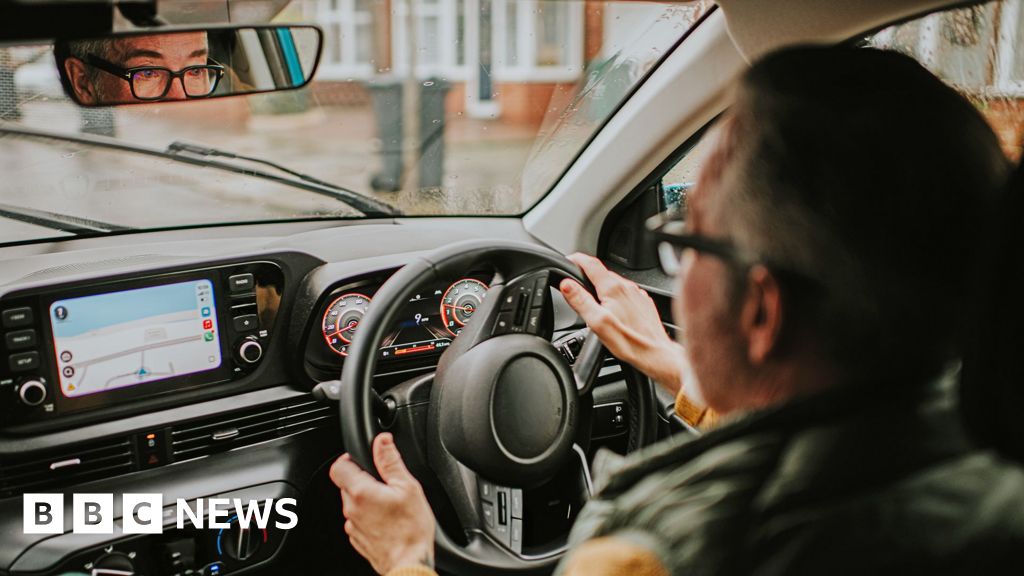
Work from home and drive more slowly to save energy, global body urgesImage Credit: BBC News
Key Points
- •LONDON – The world’s leading energy watchdog has issued an urgent call for citizens in advanced economies to immediately alter their daily habits—including working from home, driving more slowly, and forgoing car trips on Sundays—as part of a sweeping plan to slash oil demand and navigate a looming global energy crisis.
- •Reduced Speed Limits: The IEA calls for a reduction in highway speed limits by at least 10 km/h (6 mph). This simple measure alone could save an estimated 290,000 barrels of oil per day from cars and an additional 140,000 from trucks.
- •Work-From-Home Mandates: The agency urges governments to encourage remote work up to three days per week where possible. A one-day-a-week remote work policy could save approximately 170,000 barrels per day. A three-day policy would more than triple that figure.
- •Car-Free Sundays: Implementing car-free Sundays in major cities, a policy already used in some urban centers for public health and environmental reasons, could save around 380,000 barrels per day.
- •Alternate Car Access: Restricting private car use in large cities to alternate days, based on license plate numbers, is another proposed measure. This could conserve an estimated 210,000 barrels per day.
Work from home and drive more slowly to save energy, global body urges
LONDON – The world’s leading energy watchdog has issued an urgent call for citizens in advanced economies to immediately alter their daily habits—including working from home, driving more slowly, and forgoing car trips on Sundays—as part of a sweeping plan to slash oil demand and navigate a looming global energy crisis.
The International Energy Agency (IEA), a body representing 31 industrialized nations, unveiled a 10-point plan designed to rapidly curtail oil consumption in the face of what it calls the biggest energy supply shock in decades. The measures, if fully implemented, could cut oil demand by 2.7 million barrels per day within four months—an amount equivalent to the combined oil demand of all cars in China.
The recommendations signal a dramatic shift from supply-side solutions to demand-side conservation, placing the onus on both governments and consumers to manage the fallout from extreme market volatility. The call to action underscores the severity of the potential disruption to global energy flows following Russia's invasion of Ukraine and the subsequent sanctions targeting its vast energy sector.
The Global Response to an Unfolding Energy Shock
The IEA's blueprint is a direct response to the risk of a severe contraction in Russian oil supply. Prior to the conflict, Russia was the world's largest exporter of oil to global markets, accounting for roughly 8% of total global supply.
The agency has warned that the world stands on the brink of losing as much as 3 million barrels per day of Russian crude and oil products. This potential shortfall has sent shockwaves through commodity markets, pushing crude oil prices to 14-year highs and inflicting significant economic pain on businesses and households through record-high fuel costs.
While strategic petroleum reserves have been released to temper price spikes, the IEA contends that a more sustainable solution lies in reducing fundamental demand. The proposed plan is a playbook for member countries to coordinate emergency measures, echoing strategies not widely seen since the oil crises of the 1970s.
A 10-Point Plan to Cut Oil Consumption
The IEA's recommendations target transportation, which accounts for the majority of oil demand in advanced economies. The measures are designed to be implemented quickly by governments and embraced by the public to deliver immediate impact.
The plan is structured around a combination of policy mandates, incentives, and behavioral changes:
-
Reduced Speed Limits: The IEA calls for a reduction in highway speed limits by at least 10 km/h (6 mph). This simple measure alone could save an estimated 290,000 barrels of oil per day from cars and an additional 140,000 from trucks.
-
Work-From-Home Mandates: The agency urges governments to encourage remote work up to three days per week where possible. A one-day-a-week remote work policy could save approximately 170,000 barrels per day. A three-day policy would more than triple that figure.
-
Car-Free Sundays: Implementing car-free Sundays in major cities, a policy already used in some urban centers for public health and environmental reasons, could save around 380,000 barrels per day.
-
Alternate Car Access: Restricting private car use in large cities to alternate days, based on license plate numbers, is another proposed measure. This could conserve an estimated 210,000 barrels per day.
-
Public Transport Incentives: Making public transport cheaper and incentivizing micromobility options like walking and cycling are crucial components. This would not only save oil but also reduce urban congestion and pollution.
-
Efficient Logistics and Driving: Promoting "eco-driving" practices for freight trucks and optimizing logistics systems can yield significant savings. This includes ensuring full loads and reducing empty trips.
-
High-Speed Rail and Night Trains: The plan advises using high-speed and night trains as a preferred alternative to short-haul air travel where practical, directly reducing jet fuel consumption.
-
Restricted Business Travel: While corporate travel has rebounded since the pandemic, the IEA suggests that virtual meetings should remain the standard, avoiding non-essential business flights.
Quantifying the Impact: Barrels, Budgets, and Economies
The cumulative effect of the 10-point plan is substantial. The targeted reduction of 2.7 million barrels per day (bpd) represents a significant portion of the potential Russian supply gap. For context, this figure is greater than the entire daily oil production of major OPEC members like the United Arab Emirates or Kuwait.
The economic implications are twofold. First, a reduction in demand of this magnitude would place downward pressure on global oil prices, providing relief to consumers and businesses grappling with inflation. Second, it would directly reduce the household expenditures of citizens in advanced economies, freeing up income that would otherwise be spent on expensive fuel.
The IEA emphasizes that these are temporary, emergency measures. However, it also notes that they can serve as a catalyst for accelerating a more permanent structural shift away from fossil fuels, aligning short-term energy security needs with long-term climate goals.
A Historical Parallel: The 1970s Oil Crisis
The IEA's proposals are reminiscent of the government responses during the 1973 and 1979 oil shocks. During those periods, many Western nations, including the United States, implemented national speed limits, promoted carpooling, and even rationed gasoline to cope with supply disruptions from the Middle East.
Indeed, the IEA itself was founded in 1974 in the direct aftermath of the 1973 oil crisis. Its primary mandate was to help industrialized countries coordinate a collective response to major disruptions in the oil market. The current crisis serves as the most significant test of that mandate in nearly half a century.
The key difference today is the dual imperative of energy security and climate action. While the 1970s measures were solely about securing oil, today's plan is also framed as a way to fast-track the transition to a cleaner energy system, including the accelerated adoption of electric vehicles (EVs).
Hurdles to Implementation and the Path Forward
The success of the IEA's plan hinges on political will and public cooperation. Implementing measures like reduced speed limits or car-free days can be politically unpopular and logistically complex. Governments will need to craft effective public messaging campaigns to secure buy-in, framing the actions as a collective effort to bolster national security and ease economic pain.
Furthermore, the global energy infrastructure remains fragile. Even if access to Russian energy were fully restored, the damage to supply chains and the geopolitical realignment of energy markets will likely lead to ongoing problems for the foreseeable future. Experts warn that volatility is the new norm, making demand-side management an essential tool for economic stability.
Ultimately, the IEA’s call is a stark acknowledgment that the world cannot simply produce its way out of this crisis. It represents a critical test for advanced economies: whether they can unite behind shared conservation goals to navigate the immediate shock while simultaneously building a more resilient and sustainable energy future. The coming months will reveal their answer.
Source: BBC News
Related Articles
Nationwide Protests Against ICE Enforcement Erupt in U.S.
Thousands are protesting ICE after the DOJ declined to investigate a fatal agent-involved shooting in Minneapolis, fueling a national movement and public anger.
Venezuela Amnesty Bill Could Free Political Prisoners
Learn about Venezuela's proposed amnesty bill to release political prisoners. The move could signal a major political shift and affect future economic sanctions
Pokémon Cancels Yasukuni Shrine Event After Backlash
The Pokémon Company has canceled an event at Tokyo's controversial Yasukuni Shrine after facing international backlash from China and South Korea.
US to Lose Measles Elimination Status: What It Means
The U.S. is poised to lose its measles elimination status due to escalating outbreaks. Learn what this downgrade means for public health and the economy.