UK Drug Policy Reform: Zack Polanski Urges Change
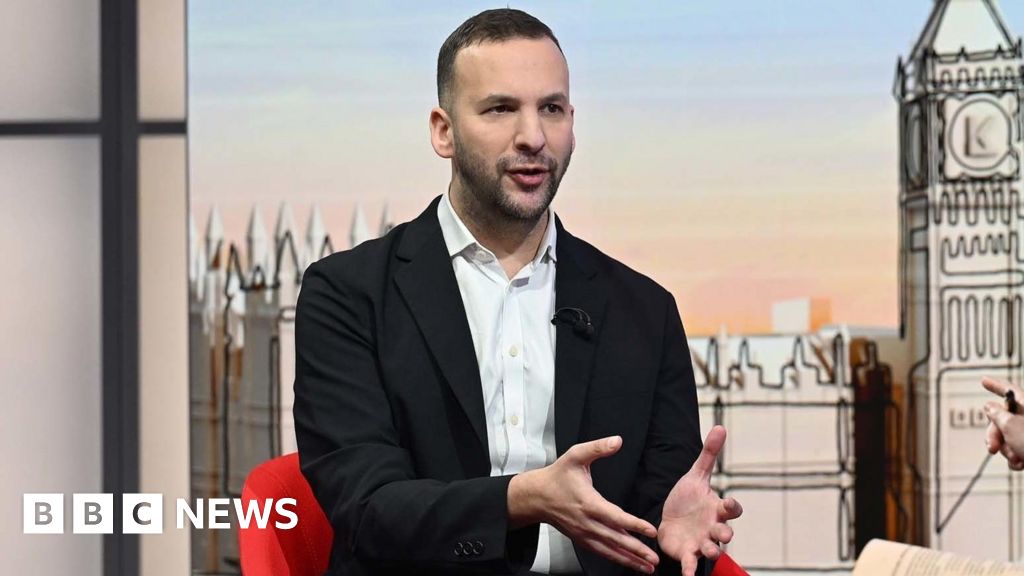
Drugs policy approach needs to change, Zack Polanski saysImage Credit: BBC Politics
Key Points
- •LONDON – The UK government is holding a firm line on its long-standing drug laws, resisting calls to facilitate the creation of more legal drug consumption rooms, even as a landmark pilot programme gets underway in Glasgow. This stance sets the stage for a critical three-year period of evidence-gathering that could have profound fiscal and public health implications for the entire nation, a debate amplified by Green Party Deputy Leader Zack Polanski’s assertion that the current approach is failing.
- •Primary Goal: To reduce the number of fatal overdoses and public injecting in Glasgow, which has one of the most severe drug-death rates in Europe.
- •Services Offered: The facility provides a hygienic, supervised environment where individuals can consume their own drugs. It offers sterile equipment, immediate medical assistance in case of an overdose, and, crucially, a gateway to addiction counselling, housing support, and other social services.
- •Legal Basis: It operates without a change to the Misuse of Drugs Act, under a special exemption granted by Scotland's Lord Advocate. This means it is not technically "legal" in the conventional sense but is protected from prosecution, a solution that is not easily replicable elsewhere in the UK without similar high-level legal intervention or a change in national policy.
- •The Cost of the Current Approach:
Drugs policy approach needs to change, Zack Polanski says
LONDON – The UK government is holding a firm line on its long-standing drug laws, resisting calls to facilitate the creation of more legal drug consumption rooms, even as a landmark pilot programme gets underway in Glasgow. This stance sets the stage for a critical three-year period of evidence-gathering that could have profound fiscal and public health implications for the entire nation, a debate amplified by Green Party Deputy Leader Zack Polanski’s assertion that the current approach is failing.
The government has confirmed it will not amend the Misuse of Drugs Act 1971 to permit further supervised consumption facilities. However, in a nod to the growing pressure, a Home Office spokesperson stated it would "carefully consider the evidence" emerging from Glasgow's pioneering project. This cautious "wait-and-see" approach places the Glasgow pilot, run by the Thistle service, under an intense national spotlight.
The Government's Position
Westminster's policy remains rooted in a criminal justice framework, prioritising enforcement and abstinence over harm reduction. Officials argue that condoning the consumption of illegal substances sends the wrong message and could create a host of unintended legal and social consequences.
The current legal structure makes operating a drug consumption room (DCR) a significant challenge, as staff could be liable for prosecution on several grounds, including permitting the use of controlled drugs on their premises. The Glasgow facility operates under a unique and complex legal workaround, granted by Scotland's chief legal officer, rather than a change in national law.
The Push for Reform
Proponents of reform, including Mr. Polanski, senior public health officials, and the Scottish Government, argue that the status quo is not only costing lives but is also economically inefficient. They frame DCRs not as a moral concession but as a pragmatic, data-driven intervention designed to mitigate the significant downstream costs of untreated drug addiction.
The core argument is financial: it is substantially cheaper to manage addiction through supervised health interventions than to bear the spiralling costs of emergency service call-outs, A&E admissions for overdoses, long-term treatment for blood-borne viruses like HIV and Hepatitis C, and the associated burden on the criminal justice system.
The Glasgow Pilot: A National Test Case
The Thistle facility in Glasgow, which opened its doors earlier this year, is the first of its kind in the UK. Its performance over the next three years will provide the primary evidence base for the national debate.
- Primary Goal: To reduce the number of fatal overdoses and public injecting in Glasgow, which has one of the most severe drug-death rates in Europe.
- Services Offered: The facility provides a hygienic, supervised environment where individuals can consume their own drugs. It offers sterile equipment, immediate medical assistance in case of an overdose, and, crucially, a gateway to addiction counselling, housing support, and other social services.
- Legal Basis: It operates without a change to the Misuse of Drugs Act, under a special exemption granted by Scotland's Lord Advocate. This means it is not technically "legal" in the conventional sense but is protected from prosecution, a solution that is not easily replicable elsewhere in the UK without similar high-level legal intervention or a change in national policy.
The Economic Dimension
From a financial correspondent's perspective, the debate is increasingly centred on return on investment. The fiscal burden of drug-related harm is substantial, and advocates for DCRs present a compelling, if yet unproven in the UK context, business case for change.
The Cost of the Current Approach: Estimates from various public health bodies place the annual cost of drug-related harm to the UK economy in the tens of billions of pounds. This figure encompasses:
- NHS Costs: Emergency response, hospitalisations, and lifelong treatment for infections.
- Criminal Justice Costs: Policing, court time, and incarceration.
- Societal Costs: Lost productivity, community clean-up of drug paraphernalia, and the impact on local businesses and tourism.
The Potential ROI of Harm Reduction: International evidence from countries with established DCRs, such as Switzerland, Germany, and Canada, suggests a strong economic argument in their favour.
- Healthcare Savings: Studies have shown DCRs significantly reduce ambulance call-outs and emergency room visits for overdoses. A Canadian study estimated that every dollar invested in a supervised injection site saved approximately four dollars in healthcare costs.
- Reduced Viral Transmission: By providing sterile needles, DCRs drastically cut the rate of new HIV and Hepatitis C infections, saving the NHS millions in long-term antiviral treatment costs per individual.
- Increased Public Amenity: Concentrating consumption in a controlled environment reduces public injecting, discarded needles in parks and alleyways, and associated anti-social behaviour, which can improve local economic conditions.
Implications and The Path Forward
The UK government's position creates a high-stakes waiting game. While it holds the legislative line, the data that will emerge from Glasgow over the next 36 months will be scrutinised by policymakers, healthcare professionals, and fiscal hawks across the country.
Key metrics will be closely monitored:
- A demonstrable reduction in drug-related deaths in the catchment area.
- A decrease in ambulance call-outs for overdoses.
- A measurable drop in rates of new HIV and Hepatitis C infections.
- The number of individuals successfully referred from the facility into long-term treatment and recovery programmes.
The outcome of The Thistle's pilot will be pivotal. If it demonstrates clear public health benefits and a positive financial return, the pressure on Westminster to reconsider its legislative stance will become immense. If the results are ambiguous or negative, it will embolden the government's current position. For now, the future of UK drug policy is being forged not in the halls of Parliament, but on the front lines of a single facility in Glasgow.
Source: BBC Politics
Related Articles
Nationwide Protests Against ICE Enforcement Erupt in U.S.
Thousands are protesting ICE after the DOJ declined to investigate a fatal agent-involved shooting in Minneapolis, fueling a national movement and public anger.
Venezuela Amnesty Bill Could Free Political Prisoners
Learn about Venezuela's proposed amnesty bill to release political prisoners. The move could signal a major political shift and affect future economic sanctions
Pokémon Cancels Yasukuni Shrine Event After Backlash
The Pokémon Company has canceled an event at Tokyo's controversial Yasukuni Shrine after facing international backlash from China and South Korea.
US to Lose Measles Elimination Status: What It Means
The U.S. is poised to lose its measles elimination status due to escalating outbreaks. Learn what this downgrade means for public health and the economy.